
Last updated November 23, 2026
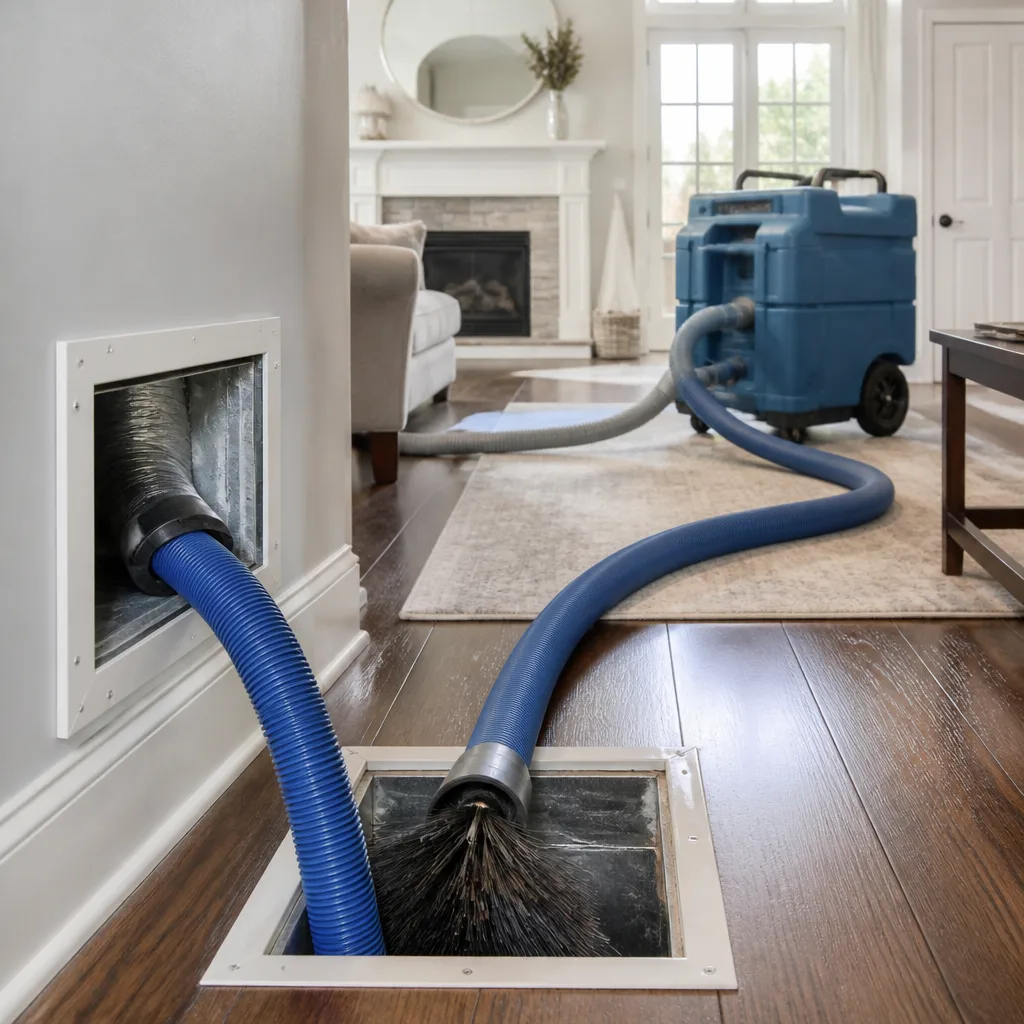 Whole-home duct cleaning
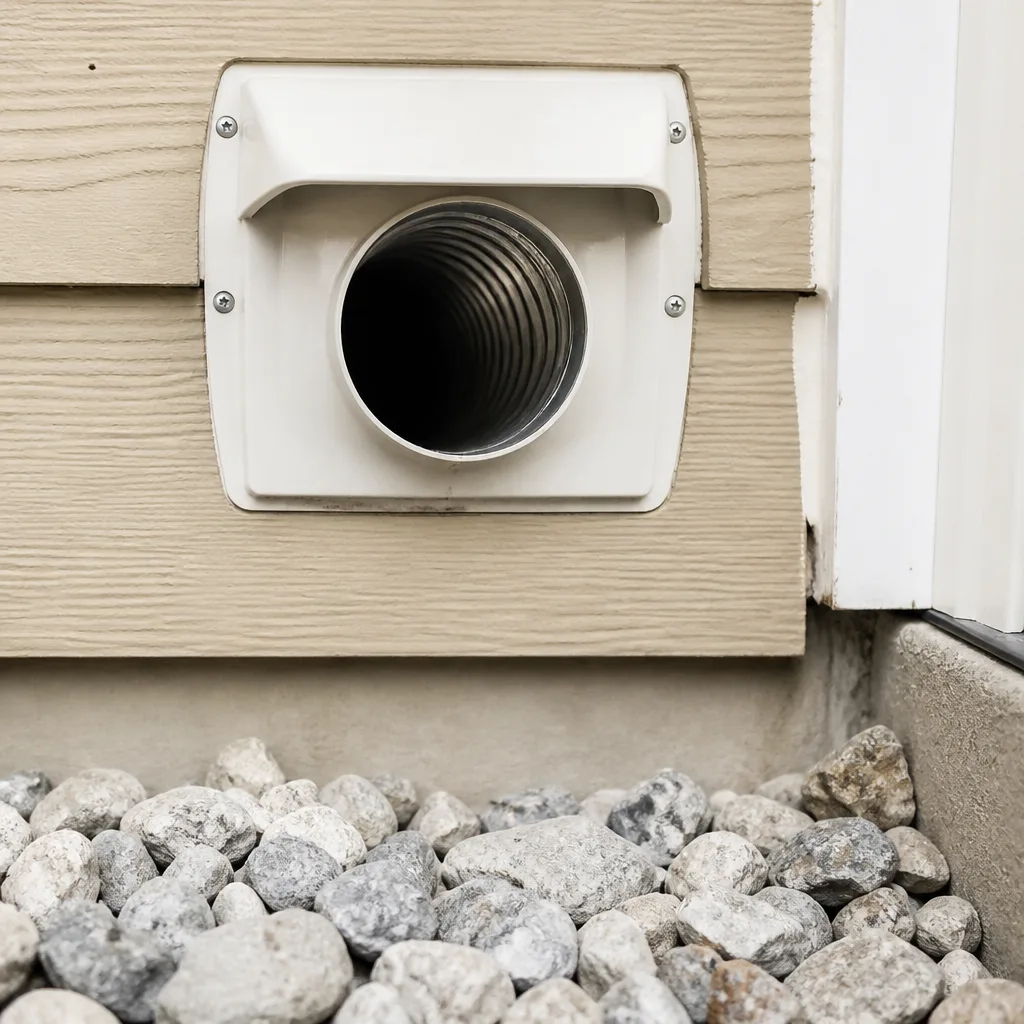 Dryer vent cleaning
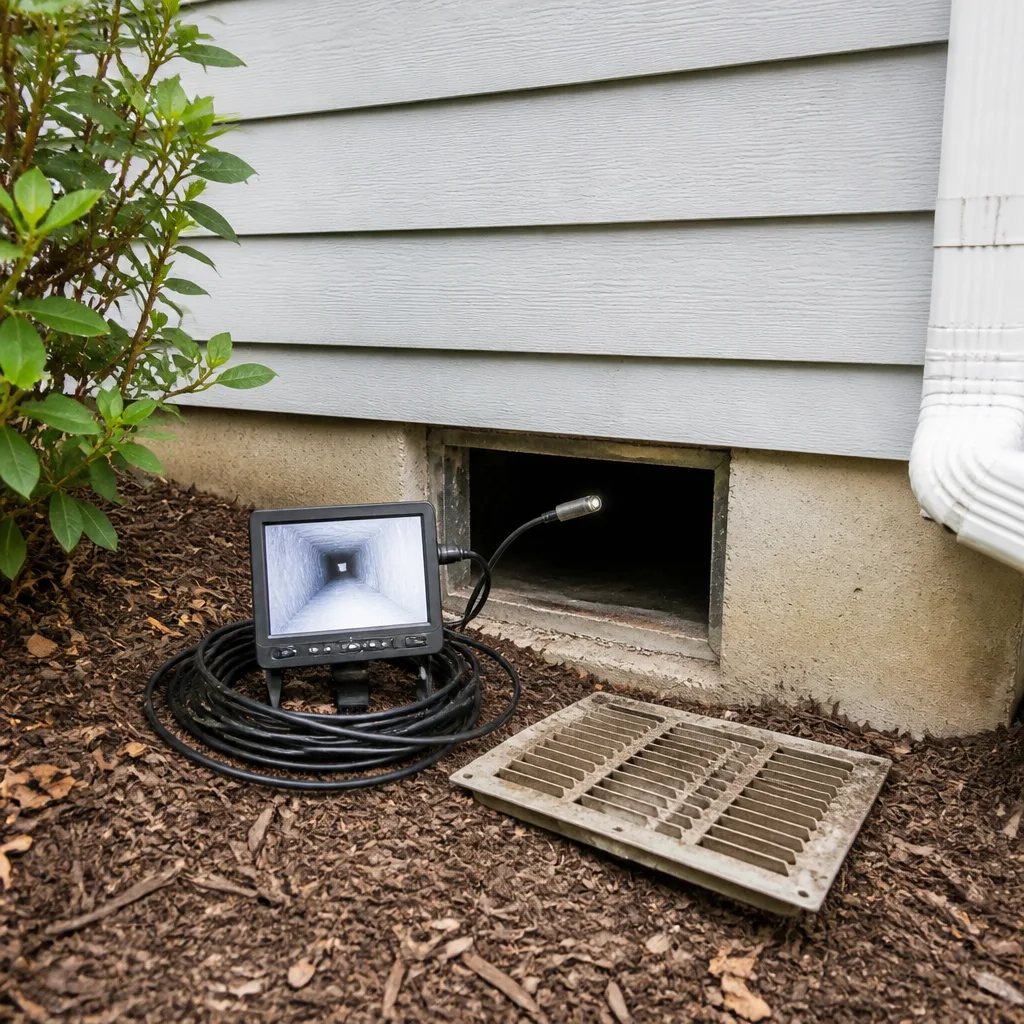 Camera inspection
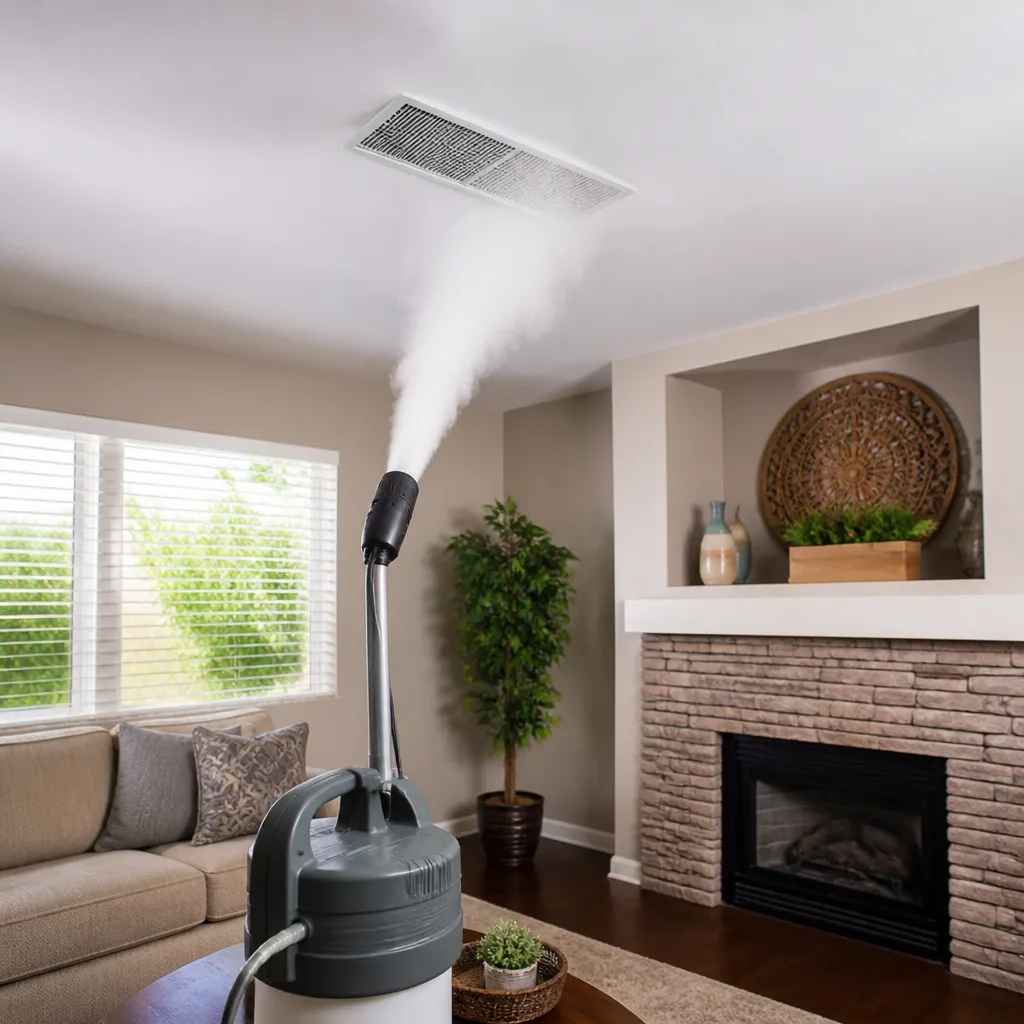 Sanitizing & deodorizing
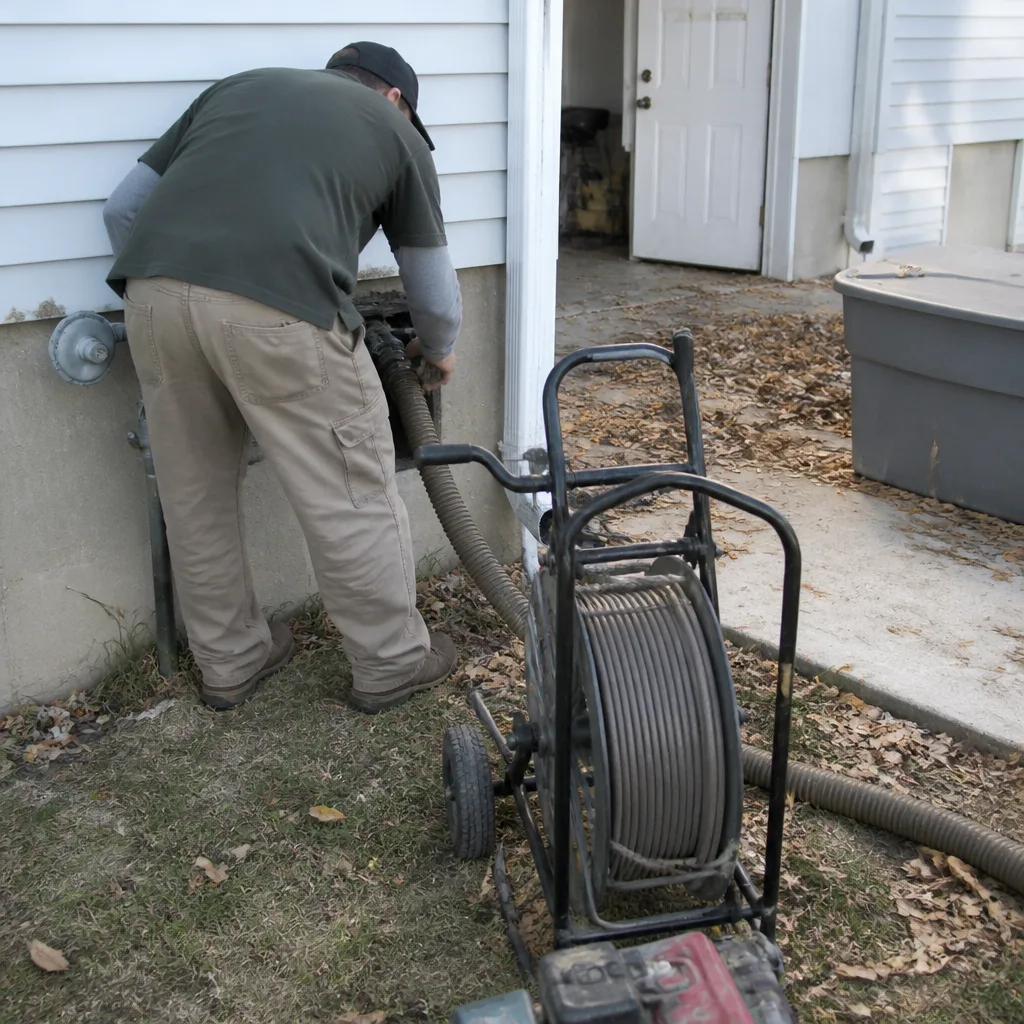
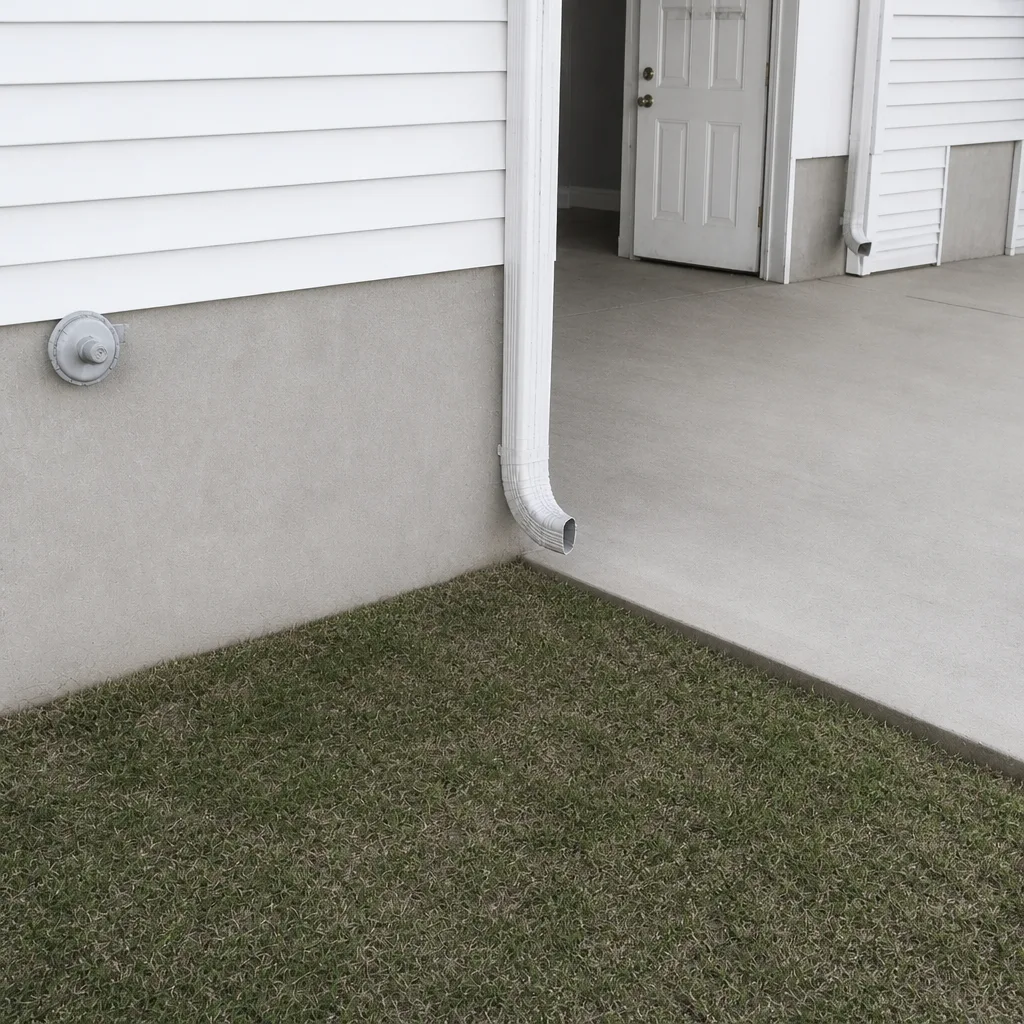
Whole-system duct and dryer vent check with before-and-after photos - you see exactly what came out of your vents
That "$99 whole-house special" is a bait ad - the real number appears once they are in your hallway, or the "clean" is a shop-vac at the register. We photograph the inside of your ducts before and after instead.
Air Duct Cleaning Permits, Codes & Inspections in Midvale, UT: What You Need to Know
Most duct cleaning in Midvale needs no permit at all. Cleaning is maintenance. The moment a contractor cuts a new access hole, reroutes a trunk line, or sprays sealant into a joint, though, the job becomes construction, and Utah’s residential code treats those two things very differently. A patched access hole in a plenum is the clearest example: cut and sealed without the right method, it can leak air under negative pressure for as long as the system runs, and nothing in a cleaning-only job would catch it. This guide draws that line for Midvale homeowners – what’s maintenance, what’s code-regulated, what a mechanical inspection actually checks, and what to ask before anyone touches your ductwork.
Quick Answer
Air duct cleaning in Midvale, Utah does not require a permit because it is maintenance, not construction. A permit generally becomes necessary when the work changes the duct system itself – new access panels, duct modification, or certain sealing applications tied to Utah Residential Code Section M1601. Inspection of regulated ductwork falls under Salt Lake County mechanical inspection or the contractor’s own code-compliance process, and knowing which side of that line your job sits on protects both your safety and your insurance coverage.
Styles & brands we work with
- Whole-home duct cleaning
- Dryer vent cleaning
- Camera inspection
- Sanitizing & deodorizing
Table of Contents
- Cleaning vs. Construction: The Line That Matters
- When Does Duct Work Trigger a Permit in Midvale?
- What Utah Residential Code Section M1601 Covers
- Salt Lake County Mechanical Inspection vs. Contractor Self-Certification
- How Improper Duct Modification Affects Insurance Claims
- Questions to Ask Before Anyone Cuts Your Ductwork
- Why Midvale’s Climate and Housing Make This Matter
- Documentation: What a Proper Job Leaves Behind
Cleaning vs. Construction: The Line That Matters
Cleaning is maintenance. Modification is construction. That single distinction decides whether your duct job needs a permit, and it’s the one most homeowners never hear before a contractor shows up. Vacuuming debris, rotary-brushing duct interiors, and replacing a filter are all maintenance activities that sit outside permitting rules because they don’t change the system’s design, capacity, or air-sealing characteristics.
Construction begins the moment the physical duct system changes. Cutting a new access panel into a trunk line or plenum is construction. Rerouting a run to serve a remodeled room is construction. Sealing duct joints with mastic or aerosol sealant can cross the line too, depending on how it’s applied and whether it changes the system’s rated leakage or airflow. A new access panel is the most common trigger in residential work, and it’s the one homeowners least expect.
Here’s what to check before work starts:
- Is a new opening being cut? A new access point in rigid ductwork is a modification, not a cleaning step.
- Is existing duct being moved or replaced? Any change to routing or duct size is construction.
- Is sealant being applied to joints? Ask what product and how it’s applied, and whether it’s a maintenance-grade touch-up or a system-wide seal.
- Is the plenum being altered? The plenum is the sheet-metal box above the furnace; changes there fall under different scrutiny than a branch duct.
If a Midvale contractor can’t answer those four questions plainly, that’s a signal. A licensed professional knows exactly which part of their work is regulated and will say so without hedging.
When Does Duct Work Trigger a Permit in Midvale?
In Midvale, duct cleaning alone doesn’t require a permit. Duct modification does. The trigger is any change that alters the system’s physical configuration, and the most common triggers in a typical Midvale home are new access panels, rerouted duct runs, and ductwork added or removed as part of a remodel.
A simple rule of thumb: if the work involves a saw, a drill, or new sheet metal, ask about permitting. Cleaning tools go inside the ducts; saws and drills cut into them. The equipment tells you which kind of job you’re getting.
Here’s the practical sequence a proper modification follows:
- Scope the work in writing. The contractor lists every cut, panel, and seal, plus the duct materials involved.
- Confirm whether a permit is required. The contractor checks with the City of Midvale’s building department or Salt Lake County before cutting.
- Pull the permit if needed. A licensed mechanical contractor is typically the party who pulls it.
- Do the work to code. Access panels get placed for serviceability, joints get sealed per code, and materials meet UL or equivalent listing where relevant.
- Schedule the inspection. Regulated work is inspected before the system is closed up and returned to service.
Homeowners in Midvale’s older neighborhoods, where homes often have original sheet-metal ductwork from the mid-twentieth century, should expect more back-and-forth here. Older duct systems sometimes don’t match current code when a contractor starts cutting into them, and discovering that mid-job changes the scope.
What Utah Residential Code Section M1601 Covers
Utah Residential Code Section M1601 governs duct system installation in one- and two-family dwellings, and it’s the section most relevant when your duct cleaning job starts touching the physical system. It covers duct material, construction, installation, and the way ducts are sealed and supported. When a contractor adds new duct, modifies an existing run, or installs access panels in a residential system, M1601 is the standard the work is checked against.
What that means in practice:
- Materials must be rated for the application. Flexible duct, rigid duct, and connectors all have installation requirements that affect airflow and safety.
- Sealing matters. Duct joints, seams, and connections are required to be sealed to limit leakage into unconditioned space.
- Access matters. Ducts are required to be accessible for inspection and service, which is why cutting an oversized hole and taping it shut is not a legitimate access panel.
- Supports and clearances matter. Duct must be supported per code and kept at required clearances from combustibles.
The one thing M1601 doesn’t do is turn a cleaning job into a regulated one. Cleaning touches the interior of the system; M1601 governs the system’s construction. When we work in Midvale homes with Rotobrush and Nikro extraction systems and Abatement Technologies air filtration in place, we’re not triggering M1601 because we’re not changing the duct system – we’re removing what’s inside it. The line gets crossed the moment a contractor starts altering the assembly.
Salt Lake County Mechanical Inspection vs. Contractor Self-Certification
Salt Lake County mechanical inspection applies when regulated work is permitted. Contractor self-certification covers everything else. The distinction matters because a lot of residential duct cleaning falls into the self-certified category, and homeowners often assume “inspected” applies to the cleaning itself. It doesn’t.
A county mechanical inspection typically looks at:
- Whether the duct installation or modification matches the permitted scope
- Whether duct materials meet M1601 requirements
- Whether joints are sealed as required
- Whether the system is accessible for service as installed
- Whether any plenum or air-handling changes are correctly configured
A county inspection does not check whether the duct cleaning was thorough. Cleaning quality is a contractor matter, verified by things like before-and-after photos and a documented process, not by a municipal inspector. That’s the gap most Midvale homeowners don’t realize exists.
Best practice, and what we do on every job, is to document the starting condition and the finished condition with photos. If the work involved a permitted modification, that documentation goes alongside the inspector’s sign-off. If it didn’t, the photos are your record – and your protection if a problem shows up months later.
How Improper Duct Modification Affects Insurance Claims
Improper duct modification can void coverage on a related claim. That’s the part of this conversation homeowners underestimate, and it matters more than the permit fee itself. If a fire or moisture event traces back to unpermitted, off-code ductwork, an insurer can treat the work as excluded from the claim – because the system wasn’t maintained or modified consistent with code.
The failure modes that come up most:
- Improper access panel installation. An oversized hole patched with foil tape creates a leak point. Negative pressure in the system pulls unconditioned air – and the humidity and dust that come with it – into the living space or back into the air handler.
- Unsealed duct joints. Leakage into an unconditioned attic or crawl space raises moisture load and can contribute to condensation and biological growth over time.
- Undersized or incorrectly routed duct. A rerouted run that isn’t sized correctly stresses the air handler and can shorten equipment life.
- Sealant applied incorrectly. Aerosol or mastic sealant that isn’t rated for the application, or is applied without proper prep, can contaminate the surface it’s meant to protect.
- Missing inspection on permitted work. When a permit was pulled but not inspected, an insurer will ask why.
None of that is a scare tactic. It’s the straightforward result of the work sitting outside code. And it’s why our approach on every Midvale job is to keep the working boundary honest: we clean, we repair and seal what’s damaged, and we recommend a licensed mechanical contractor with the right skills when a job crosses into construction territory. We can work with your insurer if a claim does come up, but the simpler answer is to avoid needing one.
Questions to Ask Before Anyone Cuts Your Ductwork
Five questions separate a professional duct contractor from one who treats your system as a demolition surface. Ask them before any cutting starts, not after.
- “Are you cutting any new openings in my ductwork today?” The answer should be yes or no, with the location of every opening named. A vague answer is a red flag.
- “What’s your method for restoring the system when you’re done?” For cleaning-only work, there should be no restoration needed except resealing an existing access point. For modification work, ask what sealant product, what access panel material, and whether you’ll get the manufacturer’s documentation.
- “Does this work require a permit, and are you pulling one?” A professional knows the answer and says it clearly. “It’s fine, we don’t need one” without explanation means they haven’t thought about it.
- “How do you contain what you dislodge?” The answer should involve HEPA-level filtration during the job, not just “we hook up a shop vac.” Our containment uses Abatement Technologies air filtration because dislodged debris that recirculates through the house defeats the purpose of cleaning.
- “What will you show me when the job is done?” Look for before-and-after photos of your own ducts and a written summary of what was found and what was done. If a contractor can’t produce either, they haven’t documented the job.
Add one more, specialized: “If you find damage mid-job, how do you route the repair?” Duct repair is a distinct scope from duct cleaning, and a company that handles both – cleaning and re-sealing a damaged joint in the same visit – is doing more than a clean-and-go operator. For Midvale homes with older sheet-metal ducts, that single question often decides whether the job resolves cleanly or gets handed off.
Why Midvale’s Climate and Housing Make This Matter
Midvale’s high-desert climate swings hard between dry summer heat and cold, snowy winters, and that swing takes a toll on duct systems. Winter heating means the ductwork moves heated air at high temperature differentials for months. Summer cooling runs a second full cycle through the same ducts. The expansion and contraction each season brings works on joints, seams, and access-panel tape until small leaks become permanent ones.
Housing stock adds to the picture. Midvale has a mix of mid-century homes with original rigid sheet-metal ductwork and newer construction with flex duct in attics and crawl spaces. Old rigid duct is more durable but often under-sealed by modern standards; flex duct installed in an attic takes a thermal beating in summer and cools below ambient in winter, which is where condensation risk comes from. In either case, a contractor cutting a new access panel into the system changes the airflow characteristics at that point. If the patch is done wrong, the consequence shows up in your energy bill and in your home’s humidity level long before it shows up in a code violation.
One thing Midvale duct systems don’t have to contend with is airborne salt or coastal moisture – this isn’t a coastal market, so the corrosion mechanisms that dominate duct advice on the coasts don’t apply. What does apply is dust loading, seasonal particulate from the valley’s inversion cycles, and the annual demand cycle of a system that runs hard in both directions. For a full picture of how we handle the cleaning itself, see our guide to air duct cleaning.
Documentation: What a Proper Job Leaves Behind
A documented duct job gives you three things: photos, a written scope, and a paper trail. Those three matter whether or not a permit was involved, and they’re the difference between a service you can verify and one you have to take on faith.
What to expect from a professional duct service in Midvale:
- Before photos. Access point interiors, the plenum, and any visibly damaged sections.
- Written scope. What was cleaned, what was repaired, what materials were used for any resealing.
- After photos. The same view of the same access points, so the difference is visible.
- Permit records, if any. Permit number and inspector sign-off if the job included regulated work.
- Recommendations. Any air quality upgrades worth considering – filtration, humidification, or purification – with the specific product named.
We also document our dryer vent work separately, because dryer vent cleaning is a fire-safety service and shouldn’t be folded into an HVAC cleaning record. A lint-choked dryer vent behaves differently from a dust-loaded supply duct, and keeping the records distinct makes both easier to reason about later.
For homes with systems that have been neglected for a while, we recommend a full HVAC cleaning that covers the air handler, blower, and coil alongside the duct runs. And when a job reveals a leaky or damaged section rather than just a dirty one, we handle repair and sealing in the same visit under a single scope, so the work isn’t left half-finished. If you’re starting from scratch and unsure where to begin, our Midvale Air Duct Cleaning overview lays out the five service categories and how they fit together.
Common Mistakes to Avoid
- Assuming no permit is ever needed. Cleaning is permit-free; modification isn’t. Always ask whether the work involves cutting new openings.
- Letting a contractor patch an access hole with foil tape. Foil tape fails under pressure and temperature cycling. Access panels need proper closure, and any modification needs to meet M1601 requirements.
- Skipping the “what’s your containment?” question. A cleaning that recirculates dislodged debris through the house makes air quality worse, not better. Ask about HEPA filtration during the job.
- Not documenting the job. No photos, no written scope, no record of what materials were used – that’s a job you can’t verify and an insurer can’t trace if a problem develops.
- Mixing cleaning and repair in the same verbal quote. A verbal “we’ll handle it” is not a written scope. Duct cleaning and duct repair are two scopes; get both in writing if both are being done.
- Assuming a permit means the work will be inspected for quality. County mechanical inspection checks code compliance, not whether the duct was actually cleaned. Cleaning quality needs its own documentation.
- Overlooking the dryer vent. A dryer vent is a separate system from the HVAC ducts and a leading cause of residential fires. Clean it, document it, and don’t let it be an upsell afterthought.
See the difference
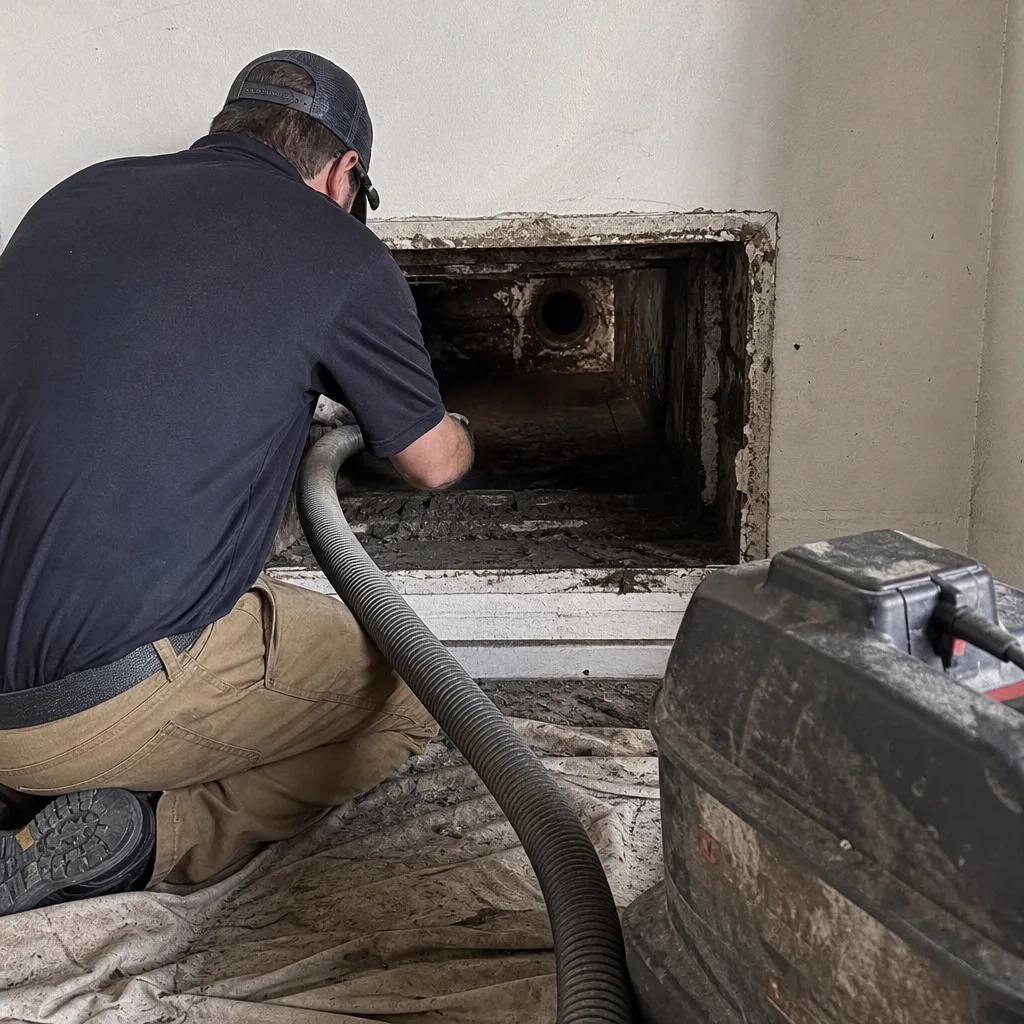 Before
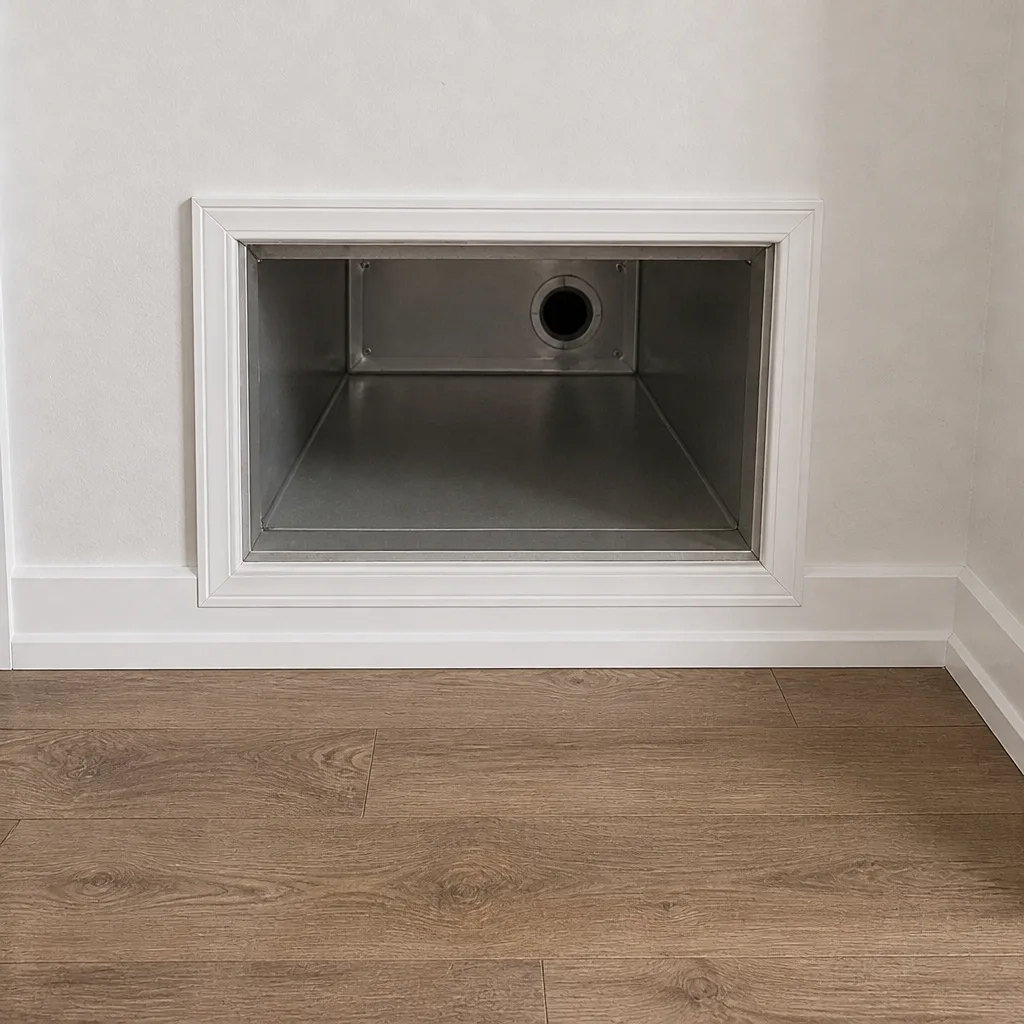 After
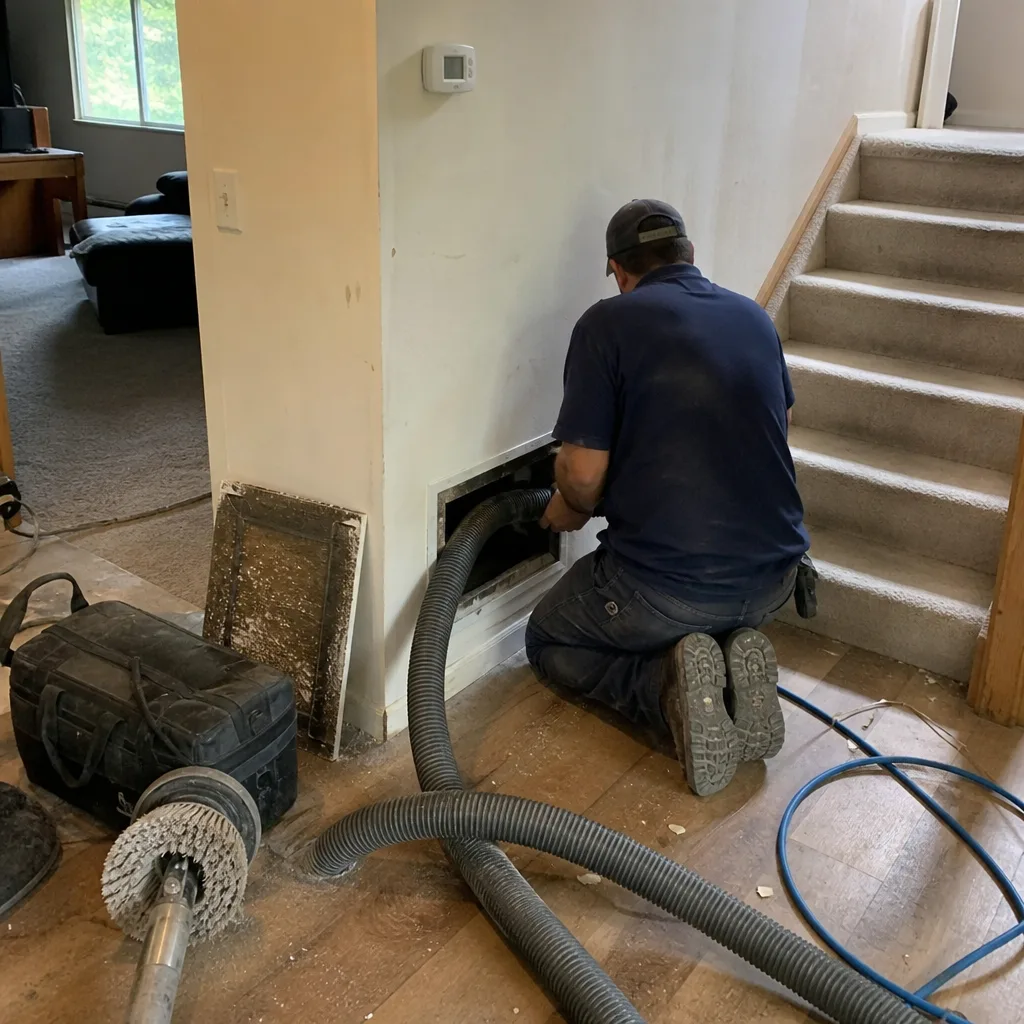 Before
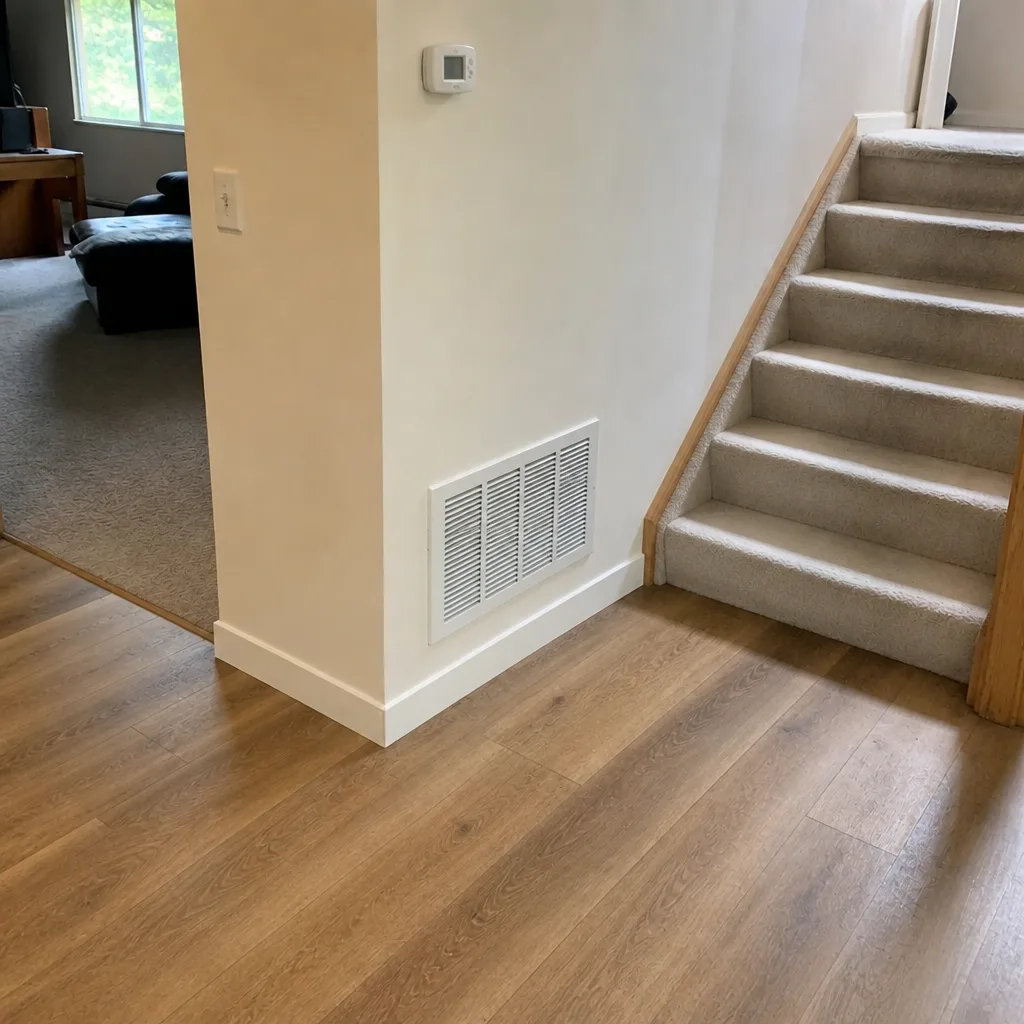 After
 Before
 After
When to Call a Professional
Some duct questions you can answer with a flashlight and a filter change. Others need a professional with the equipment and the training to inspect, diagnose, and document. Call when you’re seeing visible dust at supply registers shortly after cleaning, when you can hear whistling at a joint, when any contractor is proposing to cut new access into the system, or when a previous job left a patched panel you’re unsure about. Also call when it’s time for a scheduled service – HVAC cleaning, duct repair and sealing, air quality upgrades, or dryer vent cleaning – because the inspection that comes with the service is often where a hidden problem gets caught. Our technicians have up to 13 years of experience and work with Rotobrush and Nikro extraction systems and Abatement Technologies containment on every job. Midvale Air Duct Cleaning offers free estimates in Midvale – call (855) 337-0937. We answer 24/7, with fast dispatch from 7am to 7pm, Sunday through Friday.
Frequently Asked Questions
No. Air duct cleaning in Midvale is maintenance and does not require a permit. A permit is generally required only when the work modifies the duct system – new access panels, rerouted runs, or duct additions – which brings the work under Utah Residential Code Section M1601 and Salt Lake County mechanical inspection. Call (855) 337-0937 for an exact scope of what your job involves – estimates are free.
Cleaning removes debris from inside the duct system without changing the system itself. Modification changes the physical configuration: cutting new access panels, rerouting duct runs, replacing duct sections, or applying system-wide sealants. Cleaning is maintenance; modification is construction, and only the second one crosses into code-regulated territory.
It depends on the type of sealing. Light joint touch-ups with mastic are typically handled as maintenance. System-wide aerosol sealing or sealant work that changes the duct system’s rated leakage generally falls under regulated modification. Ask the contractor what product is being used and how it’s applied before agreeing to the job. Call (855) 337-0937 if you want a straight answer on your specific duct system.
It can. If a fire or moisture event traces back to unpermitted, off-code ductwork, an insurer can treat the affected work as excluded from the claim. The most common risks are improper access panels that leak under negative pressure, unsealed joints that add moisture load, and permitted work that was never inspected. Documentation is your protection – before-and-after photos, a written scope, and permit records where applicable.
A county mechanical inspection checks that permitted work complies with code – duct material and installation per M1601, joint sealing, accessibility, and how plenum and air-handling changes are configured. It does not check cleaning quality. That’s a separate matter verified by the contractor’s own documentation, which is why before-and-after photos of your actual ducts matter regardless of whether a permit was pulled.
Ask five things: whether they’re cutting any new openings, how they’ll restore the system afterward, whether a permit is required and who’s pulling it, how they contain dislodged debris during the job, and what documentation you’ll receive when the work is done. A professional answers all five without hesitation. If the answer on containment or documentation is vague, walk. Call (855) 337-0937 for a free estimate – we answer 24/7, with fast dispatch from 7am to 7pm, Sunday through Friday.
The Bottom Line
Cleaning your ducts doesn’t require a permit in Midvale. Modifying them does. The line between the two is the saw: if the work involves cutting, rerouting, or replacing duct material, it falls under Utah Residential Code Section M1601 and Salt Lake County mechanical inspection, and it needs a licensed mechanical contractor and a written scope. Cleaning quality sits outside that system entirely and needs its own documentation – photos, a written scope, and a record of what was done. Keep those two things straight and you’ll avoid the mistake that costs Midvale homeowners the most: treating a construction job like a maintenance call, and a patched access panel like a finished repair. Your ducts are only as clean as the process behind them, and your system is only as sound as the work that touched it.
If you’re not sure which side of the line your job sits on, call Midvale Air Duct Cleaning at (855) 337-0937 for a free estimate. Our technicians have up to 13 years of experience, and we’ll walk you through exactly what’s involved before anything gets touched. We answer 24/7. Fast dispatch from 7am to 7pm, Sunday through Friday.
Written by the team at Midvale Air Duct Cleaning.