
Last updated November 23, 2026
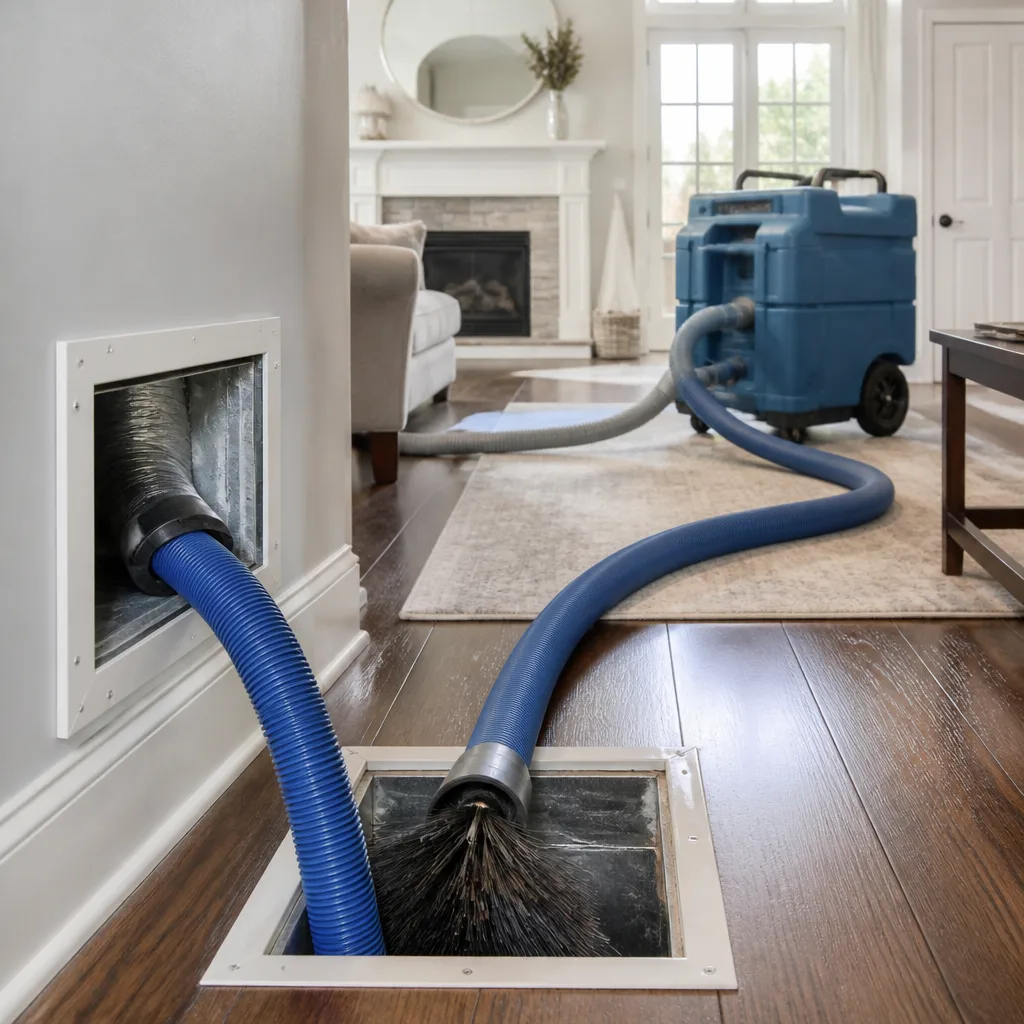 Whole-home duct cleaning
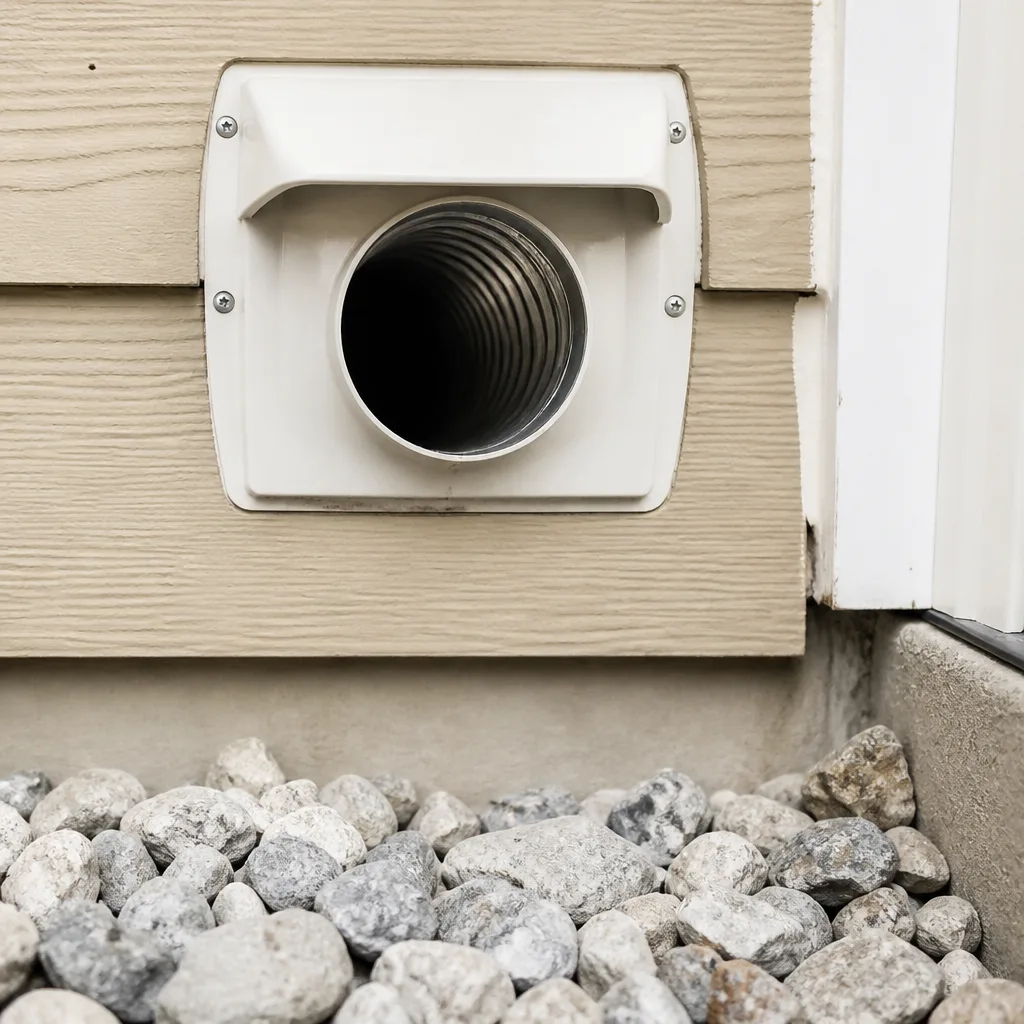 Dryer vent cleaning
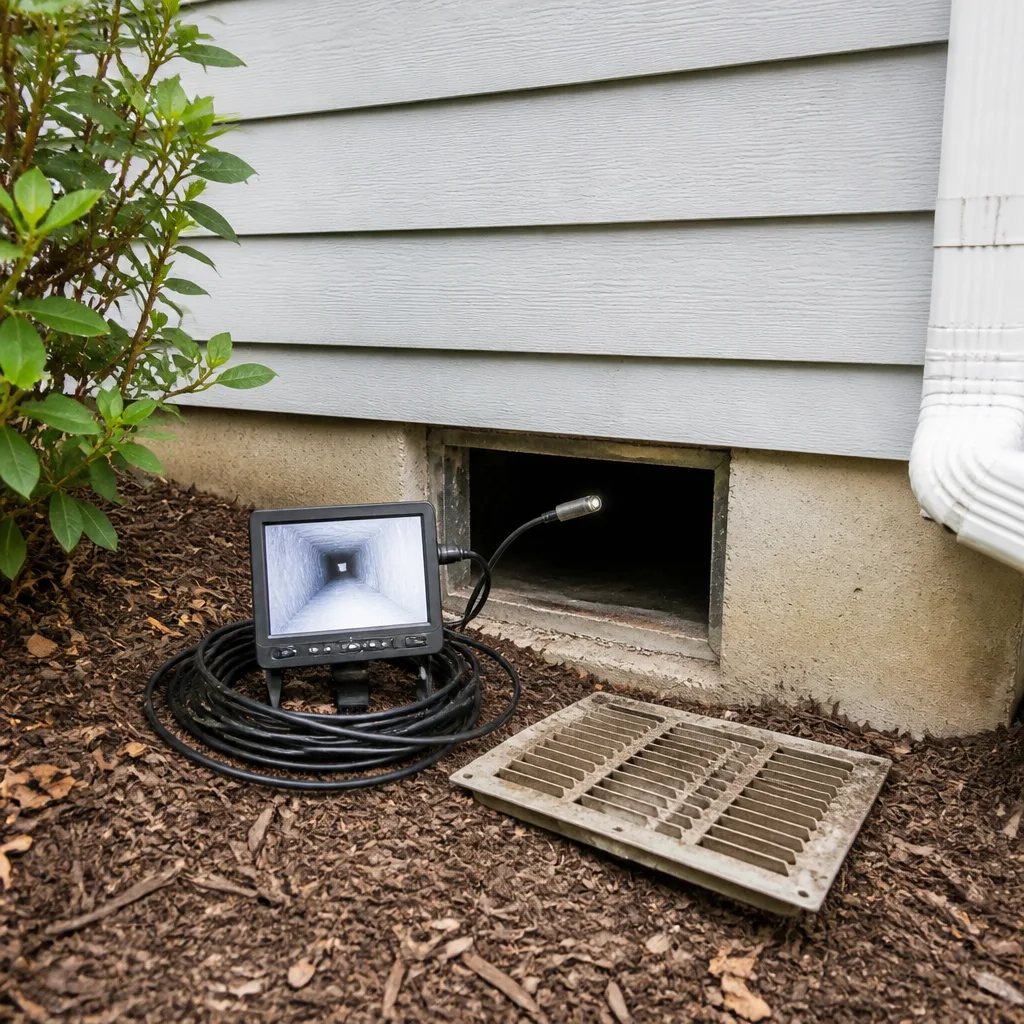 Camera inspection
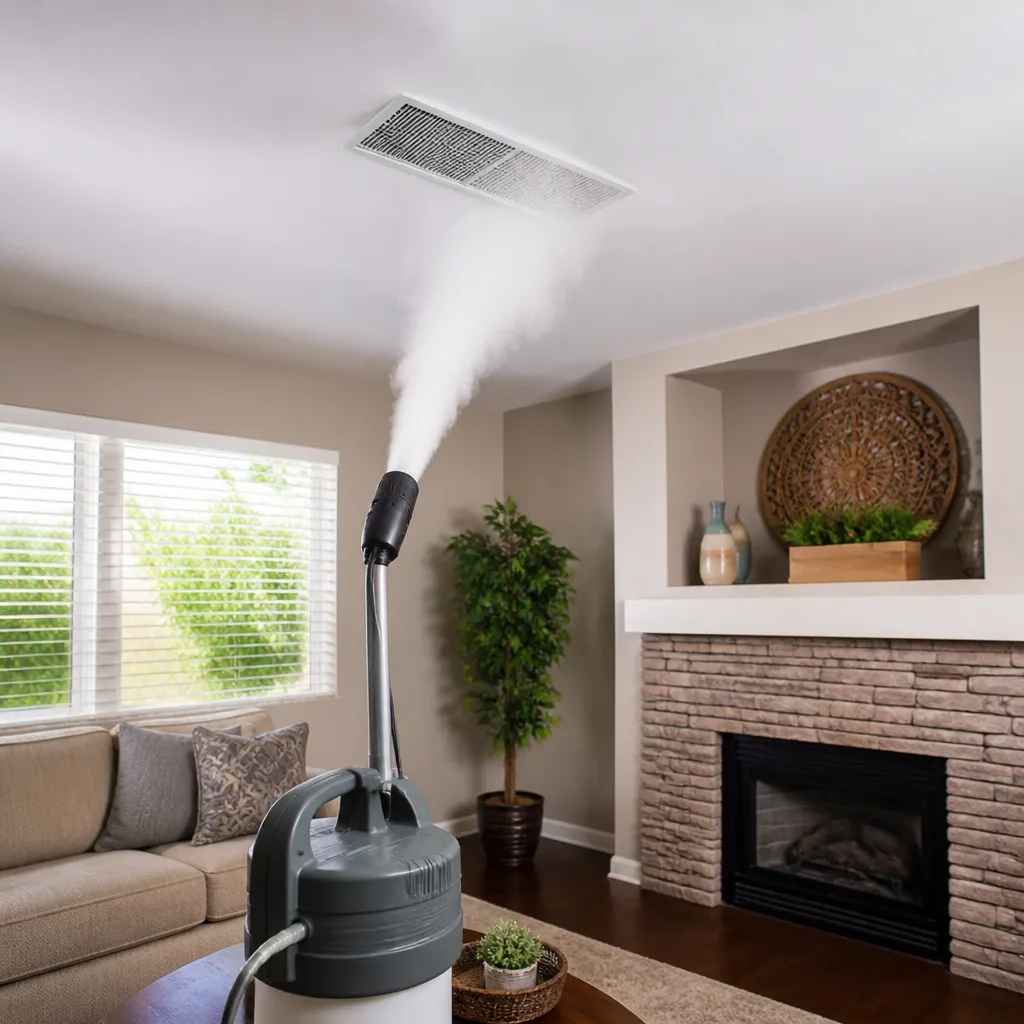 Sanitizing & deodorizing
Whole-system duct and dryer vent check with before-and-after photos - you see exactly what came out of your vents
That "$99 whole-house special" is a bait ad - the real number appears once they are in your hallway, or the "clean" is a shop-vac at the register. We photograph the inside of your ducts before and after instead.
Air Duct Cleaning Warning Signs: A Midvale Homeowner’s Reference Guide
Most homeowners check their ducts the same way: they look at the registers and decide the system is fine because nothing obvious is blowing out. That misses the point. The signs that matter most in a Midvale home are functional, not visual. They show up as a room that never quite heats, a musty smell that cycles on and off with the furnace, or a utility bill that climbs without explanation. This guide teaches you to read those signals, separate the harmless from the urgent, and spot a poor cleaning job before it costs you. No scare tactics, just the patterns our technicians look for.
Quick Answer
Air duct cleaning warning signs fall into two groups: aesthetic signs like visible dust around registers, and functional signs like uneven airflow, musty or burning odors that cycle with the system, rising energy bills, and allergy symptoms concentrated in one room. Functional signs matter more because they point to what’s inside the ductwork rather than what’s on the surface. In Midvale’s dry, dusty summers and cold inversion-season winters, both kinds show up faster than most homeowners expect.
Styles & brands we work with
- Whole-home duct cleaning
- Dryer vent cleaning
- Camera inspection
- Sanitizing & deodorizing
Table of Contents
- Aesthetic vs. Functional Warning Signs
- How to Run an Airflow Balance Check Across Rooms
- Odor Diagnostics: Musty, Burning, and Chemical Smells
- Allergy Symptoms Concentrated in One Room
- Signs a Previous Cleaning Was Done Poorly
- Rising Bills and Uneven Temperatures
- Dryer Vent Warning Signs You Shouldn’t Ignore
- What Entry-Level Cleaners Leave Behind
Aesthetic vs. Functional Warning Signs
Aesthetic signs are the ones you can see: dust streaks around supply registers, dark edges on the grille, a gray film on the return vent. They’re real, and they almost always mean dust is settling somewhere it shouldn’t. But they don’t tell you whether the duct interior is contaminated or just the visible surface of the grille.
Functional signs are the ones you feel. Airflow that seems weaker in the back bedroom than the front room. A temperature gap of several degrees between upstairs and downstairs. Rooms that heat quickly and cool slowly, or the reverse. These signals point to something interrupting the system’s actual performance, and in our experience they’re consistently more accurate than a glance at a vent.
Midvale homes present both. The valley floor collects fine dust through late summer, and homes near the foothills pick up more of it on the west-facing side as afternoon winds push it against the house. Dust settles into return ducts first, then recirculates. That’s why the return-side register usually looks worse than the supplies, and why a functioning reminder like “check the return before you blame the furnace” saves a lot of Midvale homeowners a service call.
- Aesthetic signs: visible dust streaks, dark register grilles, gray film on the return vent.
- Functional signs: uneven airflow, temperature variance between rooms, odor cycling with the system, rising bills, symptoms in one room.
- Reliability difference: functional signs point to what’s inside the ductwork; aesthetic signs point to the surface of the vent.
How to Run an Airflow Balance Check Across Rooms
You can test whether one duct run is partially blocked without tools. It takes about ten minutes. Here’s the routine:
- Turn the system on and let it run for five full minutes. That’s long enough for the blower to reach steady airflow. Ducts that feel weak in the first minute often aren’t.
- Hold the back of your hand within an inch of each supply register. Compare the push across every room, not just the one you use most. You’re looking for one or two registers that push noticeably less than the rest.
- Hold a single sheet of tissue near each register. A tissue fluttering and dropping away in one room while it lifts steadily in others points to a restricted run.
- Note which rooms feel different and write it down. Room-by-room differences are more meaningful than a single measurement. You’re building a map of where the system is weak.
A weak register in the farthest room from the air handler often points to a crushed or disconnected flex run in a crawlspace or attic. In Midvale homes, many of which have attic runs above unconditioned spaces, a disconnected flex duct can also leak heated air into the attic all winter. That’s a duct repair problem, not a cleaning problem, and it’s why we include Midvale Air Duct Cleaning system inspection in the same visit rather than cleaning around the issue. Ducts that are cleaned but still leaking never deliver the comfort improvement.
Odor Diagnostics: Musty, Burning, and Chemical Smells
A musty smell that appears only when the HVAC starts and fades after ten minutes is the most underrated sign. It’s not a minor odor issue. It’s your system burning off biological growth on the coil or in the ductwork every cycle. The growth forms where moisture lingers: in the evaporator coil pan, on damp insulation, or along a run that condenses in humid weather. Each time the blower engages, that smell rides back into the house.
Burning smells are a different category. A brief burn-off smell on the first heat-up of the season is common and usually settles. A persistent hot, scorched, or metallic smell that cycles with the furnace needs attention from a trained technician before you keep running the system. It could indicate a motor or wiring issue rather than duct contamination. Don’t diagnose this one from a blog post.
Chemical or solvent smells are the ones to treat as urgent. If a paint thinner, fuel, or sharp chemical odor cycles through the vents, find the source before you run the system again. Ductwork can spread a smell from one part of the house to every room within minutes. Open windows, find the source, and call us if you can’t locate it.
- Musty: biological growth on the coil or duct moisture. Cleaning plus sanitizing is the fix.
- Burning: could be motor, wiring, or debris contacting the heat exchanger. Stop and get it checked.
- Chemical: a source in the house is releasing fumes and the system is distributing them. Find the source first.
Allergy Symptoms Concentrated in One Room
Allergy or respiratory symptoms that cluster in one room rather than across the whole house are a strong sign that the problem is in that room’s air path, not the entire house. The person who sleeps in the back bedroom wakes congested, but the rest of the house feels fine. That pattern usually points to a duct run or register serving that room rather than a source in the furniture or bedding.
Before you conclude it’s the ducts, rule out the obvious sources: a mattress, carpet, pet bedding, a humidifier, or a window that stays open in pollen season. If the symptoms track with the HVAC cycle rather than the room itself, the duct is a likely contributor. Track it for a couple of weeks: write down whether symptoms get worse in the morning after the system has run all night, or on days the system runs most.
In Midvale, this pattern often shows up in the winter, when windows stay closed for weeks and the air handler is doing most of the air movement in the house. Once the house is closed up for the season, whatever settled in the ducts the previous summer has nowhere to go. That’s one reason a cleaning done in the fall helps more than a cleaning done in spring.
Signs a Previous Cleaning Was Done Poorly
The most frustrating call we get is from a homeowner who paid for a cleaning a season or two ago and feels like it never made a difference. That’s not unusual when the previous job used entry-level equipment. Here’s how to spot a cleaning that didn’t actually clear the system:
- Re-contamination in under a season. Dust reappears at the supplies within a few months. A thorough cleaning shouldn’t show visible dust at registers for at least a year in a Midvale home.
- Access holes that weren’t resealed. Look for tape patches, cut openings, or loose caps on the duct trunk. A proper job opens the system to clean it, then seals the access points correctly.
- Disturbed but not removed debris. If the ducts feel looser or the airflow feels different but not better, debris may have been knocked loose without being extracted.
- No before-and-after documentation. A professional process produces photos of the inside of the ducts before and after. If the previous cleaner didn’t offer them, you have no way to know what was actually done.
- Debris in the supply air. If dust appears in the room when the system runs, that means the cleaning left material in the ducts that’s now traveling. That’s the opposite of the goal.
This is why our process uses Rotobrush and Nikro extraction systems. Rotary brush heads dislodge what’s adhered to the duct walls and the vacuum column extracts it in the same pass. Equipment matters more than most homeowners expect when they compare quotes.
Rising Bills and Uneven Temperatures
A utility bill that climbs month over month without a rate change or a new appliance is a legitimate functional warning sign. A restricted or leaky duct system forces the blower to work harder and pushes conditioned air into spaces you’re not heating or cooling. In Midvale, where attic runs are common, a sealed duct that springs a leak sends heated air straight into a cold attic all winter.
Room-to-room temperature swing is the companion sign. If your thermostat reads the right temperature but the back bedroom is still several degrees off, the system is delivering uneven airflow. A proper duct inspection checks supply registers, return registers, and the trunk line for leaks and restrictions. When we find a leak, we can repair and seal it in the same visit as the cleaning. That’s the difference between cleaning a system and correcting a system.
- Bill climb without rate change: suspect leakage or restriction.
- Room-to-room swing: suspect a weak run or disconnected flex duct.
- Both at once: the strongest case for a full system inspection rather than a simple cleaning.
Dryer Vent Warning Signs You Shouldn’t Ignore
Dryer vent warning signs are a fire safety issue first and a comfort issue second. The signs are simple to spot:
- Clothes take longer than usual to dry, especially heavy items.
- The dryer feels hot to the touch on top or at the door.
- The outside vent flap doesn’t open fully or at all when the dryer runs.
- Lint collects around the lint trap housing or behind the dryer.
- A musty or faintly smoky smell comes from the dryer or the vent line.
Each of these indicates lint buildup or a blocked vent line. Lint is highly flammable, and a blocked vent also drains efficiency. Dryer vent cleaning is a named service at Midvale Air Duct Cleaning, not an upsell. We run it through the same professional-grade extraction equipment we use for ducts, and we inspect the vent line end to end. If a Midvale home has a long vent run or a run with several elbows, that’s a strong candidate for regular cleaning regardless of how the dryer feels.
What Entry-Level Cleaners Leave Behind
Most homeowners compare quotes on price and equipment and think they’ve covered the bases. The gap is usually in containment and in what gets done after the cleaning. During cleaning, debris gets dislodged; if it isn’t contained, it recirculates through the house and settles back in the ducts. We use Abatement Technologies air filtration equipment during service for exactly this reason: contain it, don’t redistribute it.
The second gap is post-cleaning. A cleaning is only half the work if the ducts are leaking or the coil is growing biological material. We offer HVAC cleaning alongside duct cleaning so the coil, blower, and cabinet get addressed rather than left as the source of future contamination.
The third gap is what happens after the ducts are clean. If your home has a basic filter and no other air quality controls, a clean system will get dirty again faster than it needs to. We’re authorized to supply and install Honeywell and Aprilaire IAQ systems, which lets us recommend and install filters and purifiers matched to the home. Guardsman sanitizers are another option we work with for homes showing biological growth after cleaning.
Your ducts are only as clean as the process behind them. That’s what separates a cleaning that lasts from a coupon job that doesn’t.
Common Mistakes to Avoid
- Judging the system only by visible dust. Dust at the register is the least reliable sign in this guide. A system can look clean at the grille and be loaded with debris inside the trunk.
- Running the system after a burning smell. A brief smell on the first heat-up is normal; a persistent scorched smell is not. Stop running the system and call a technician. Ducts don’t fix motors.
- Assuming a cheap quote means a full-system job. If a quote doesn’t include containment or extraction equipment named by brand, you’re likely getting a surface pass, not a cleaning.
- Skipping the airflow check. Homeowners who only look at the vents never find partial blockages. The ten-minute room-by-room check catches what a visual inspection misses.
- Cleaning without sealing. A clean duct with a leaking seam will pull dirt from the attic or crawlspace into the system. Fix the leak in the same visit.
- Neglecting the dryer vent. A clogged dryer vent is a fire risk. If clothes take longer to dry and the dryer feels hot, clean the vent before you run another cycle.
- Not asking for before-and-after photos. If you can’t see what was extracted, you can’t know the work was done. Ask before you book.
See the difference
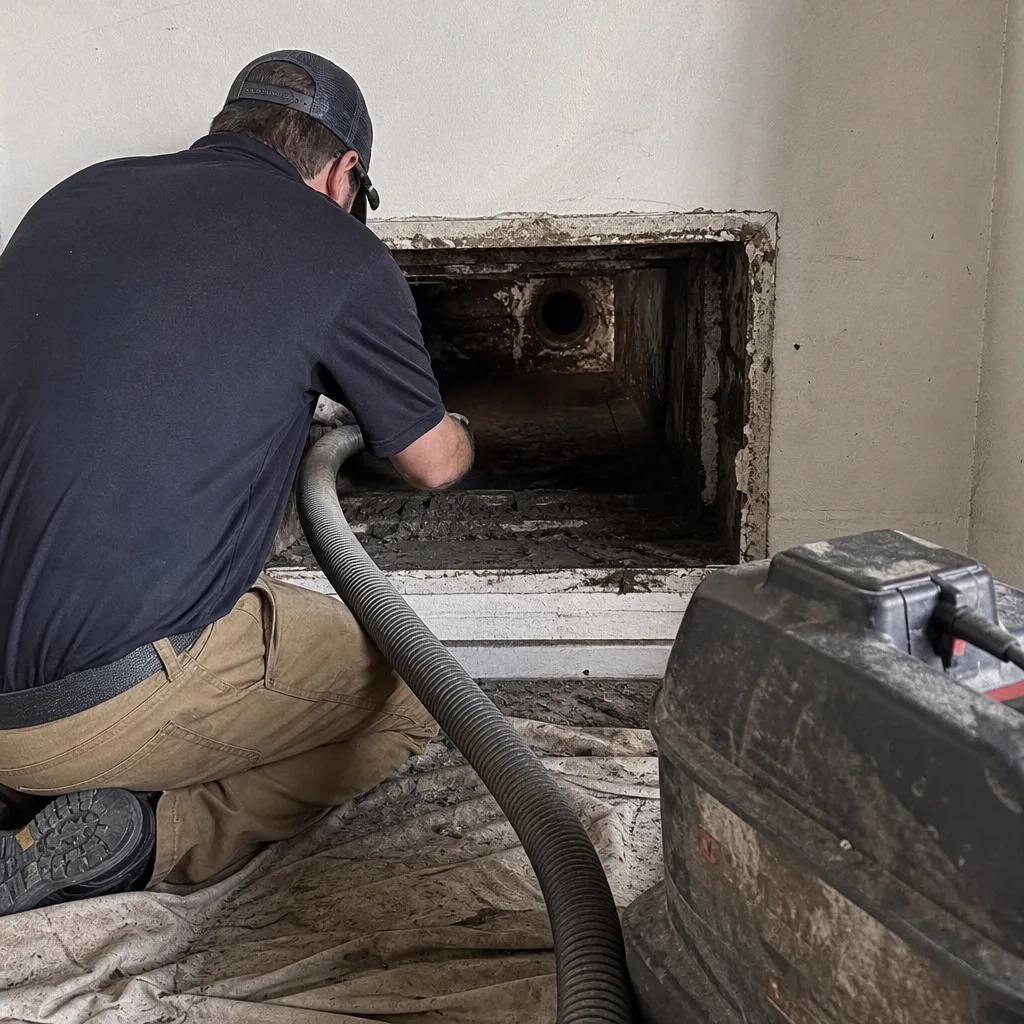 Before
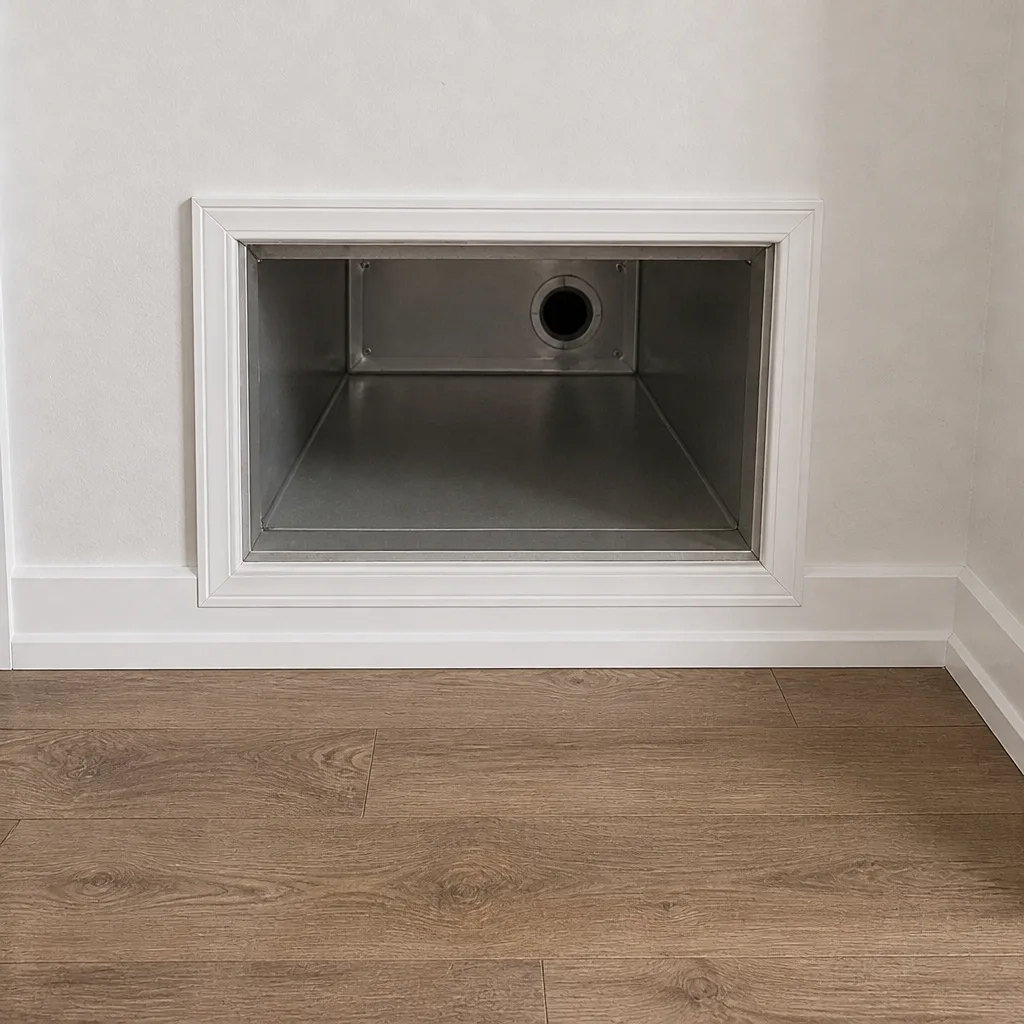 After
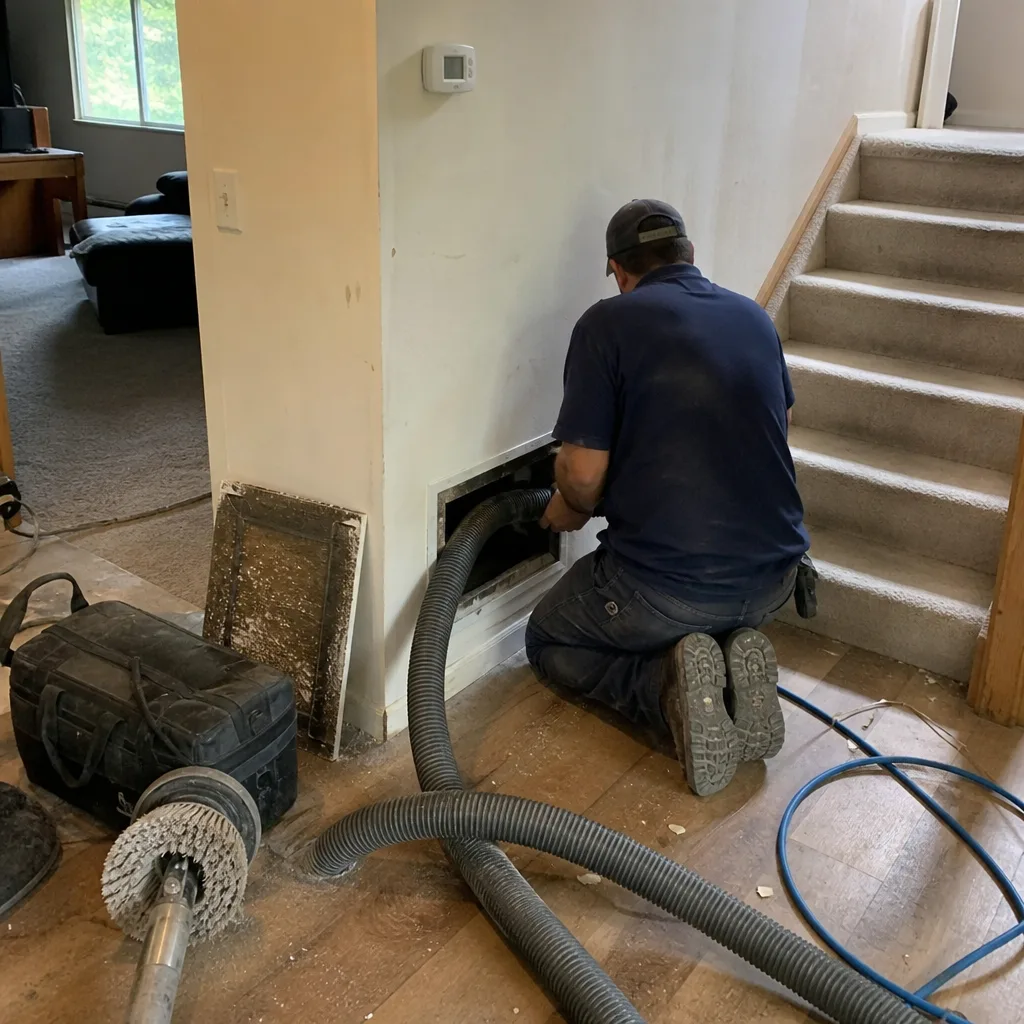 Before
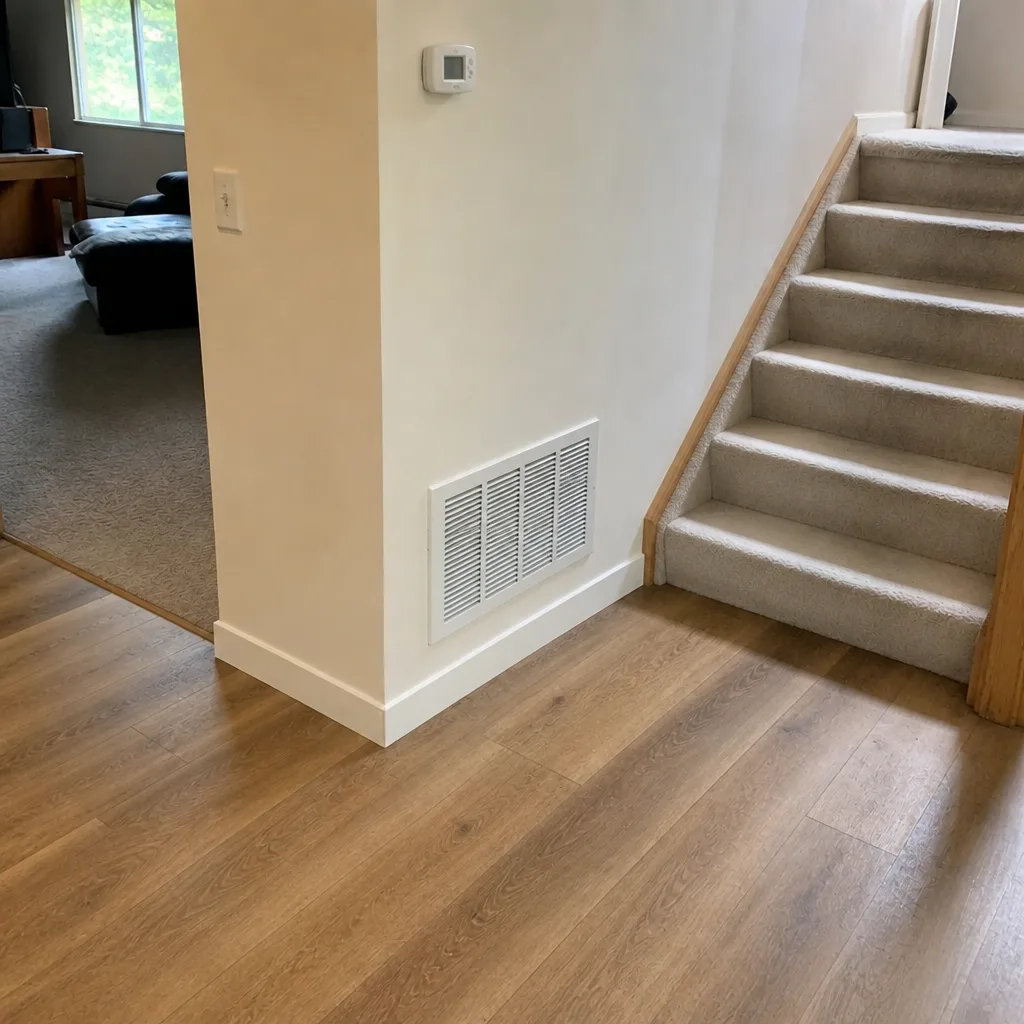 After
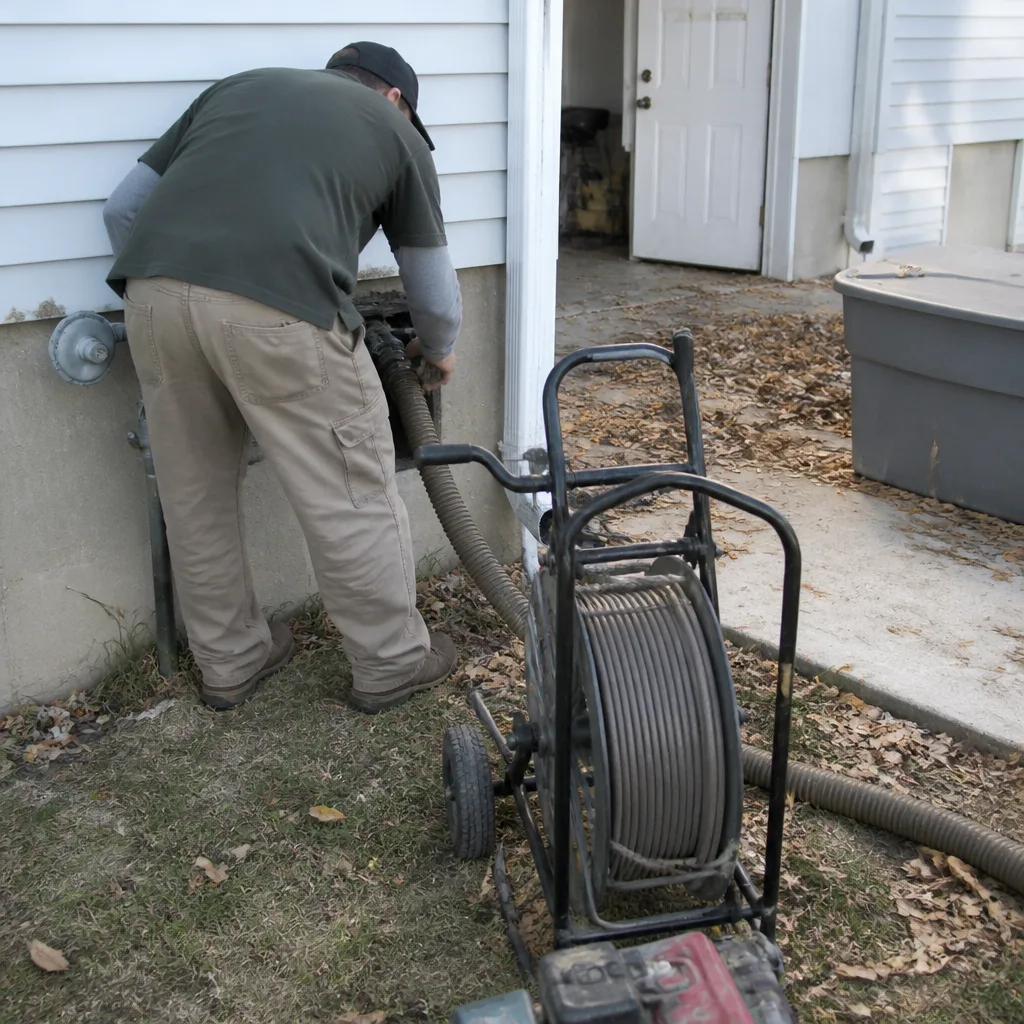 Before
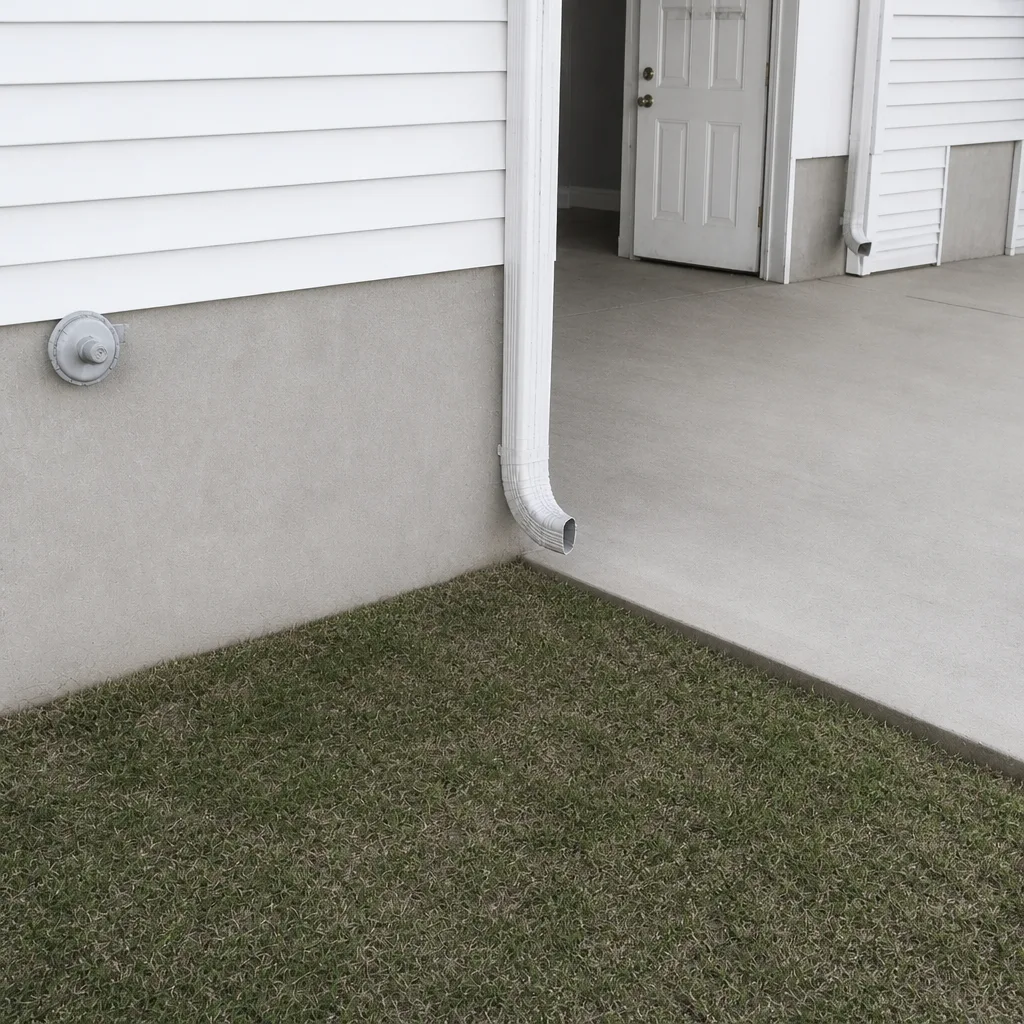 After
When to Call a Professional
Call a professional when you find any of the following: symptoms that track the HVAC cycle rather than a specific room source, a musty smell that comes back every heating cycle, a persistent burning or chemical smell, airflow that’s clearly weaker in one or more rooms, or a prior cleaning that never made a difference. Also call if the dryer vent is slow, hot, or blocked. These aren’t things to diagnose by trial and error. Midvale Air Duct Cleaning offers free estimates in Midvale and can inspect the full system, including duct repair and sealing if the inspection shows leaks. Call (855) 337-0937. We answer 24/7. Fast dispatch from 7am to 7pm, Sunday through Friday.
Frequently Asked Questions
Uneven airflow between rooms is the most reliable early sign. If one room always runs hot or cold while the rest of the house is fine, the duct run serving that room is the likely culprit and worth inspecting before it becomes a bigger comfort problem. Call (855) 337-0937 for an exact quote – estimates are free.
Pricing depends on the size of the system, the number of runs, and whether duct repair and sealing are needed. We set one flat price per system after a free inspection and put it in writing before any work starts. There’s no per-vent pricing and no teaser coupon that balloons once a technician is on site. Call (855) 337-0937 for an exact quote – estimates are free.
Cheaper quotes usually mean a smaller vacuum, no containment equipment, and a pass that never reaches the trunk line. A shop-vac and a surface wipe will move dust around inside the system without extracting it. If the quote doesn’t name the extraction equipment and doesn’t promise before-and-after photos, the price difference explains itself. Call (855) 337-0937 for an exact quote – estimates are free.
Ask for before-and-after photos of the inside of your ducts before you book, and confirm the company uses extraction equipment rather than surface tools. We provide photos as part of every job. It’s how we set expectations on the process instead of just the price. Call (855) 337-0937 for an exact quote – estimates are free.
Most Midvale homes benefit from a cleaning every three to five years, sooner if you have pets, recent remodeling dust, or allergy symptoms that track the HVAC schedule. Homes near the foothills on the west side may need it more often because of wind-driven dust. Call (855) 337-0937 for an exact quote – estimates are free.
Musty smell from the vents usually means biological growth is forming on the evaporator coil or in damp duct insulation. Each time the blower engages, that smell recirculates. The fix is cleaning plus sanitizing, and sometimes HVAC coil cleaning along with it. Call (855) 337-0937 for an exact quote – estimates are free.
The Bottom Line
Read the system, not just the vents. The warning signs that matter in a Midvale home are functional: uneven airflow, temperature swing between rooms, smells that cycle with the HVAC, allergy symptoms in one room, and utility bills that climb without explanation. Aesthetic signs like dust at the register matter, but they tell you less. Two more things to hold onto: burning or chemical smells need a professional now, not a cleaning later; and if a previous cleaning never made a difference, the cleaning was likely done with equipment that couldn’t extract what it disturbed. Our technicians have up to 13 years of experience reading exactly these signals, and we’re glad to help when you’re ready.
Call (855) 337-0937 for a free estimate. We answer 24/7. Fast dispatch from 7am to 7pm, Sunday through Friday.
Written by the team at Midvale Air Duct Cleaning.