
Last updated November 23, 2026
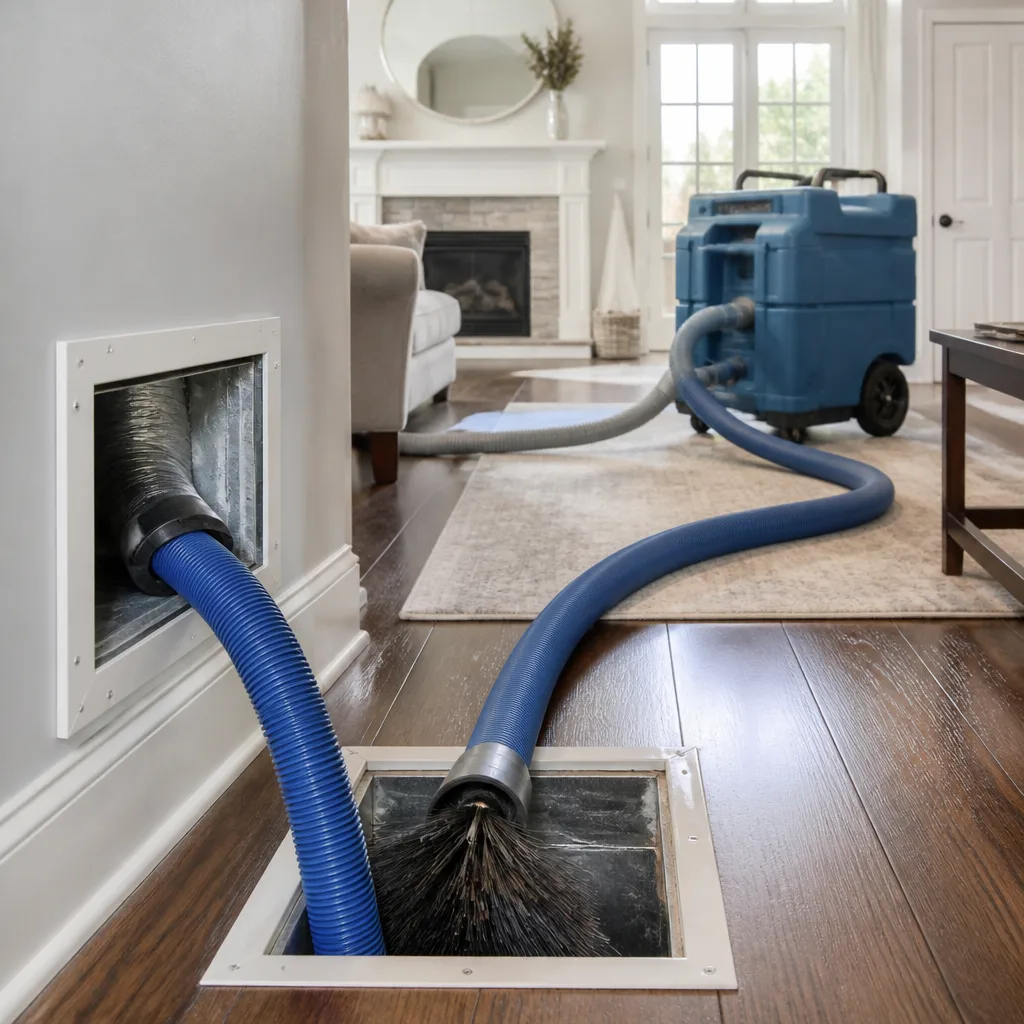 Whole-home duct cleaning
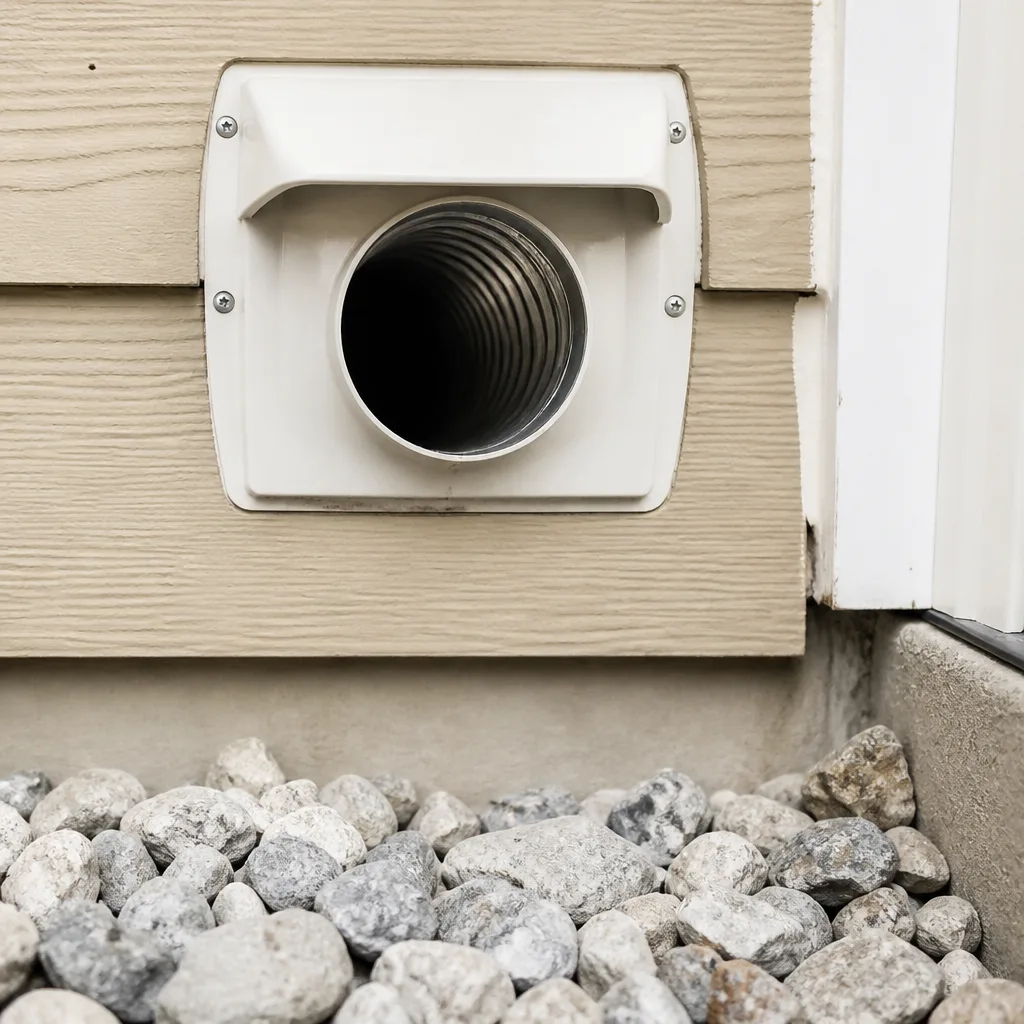 Dryer vent cleaning
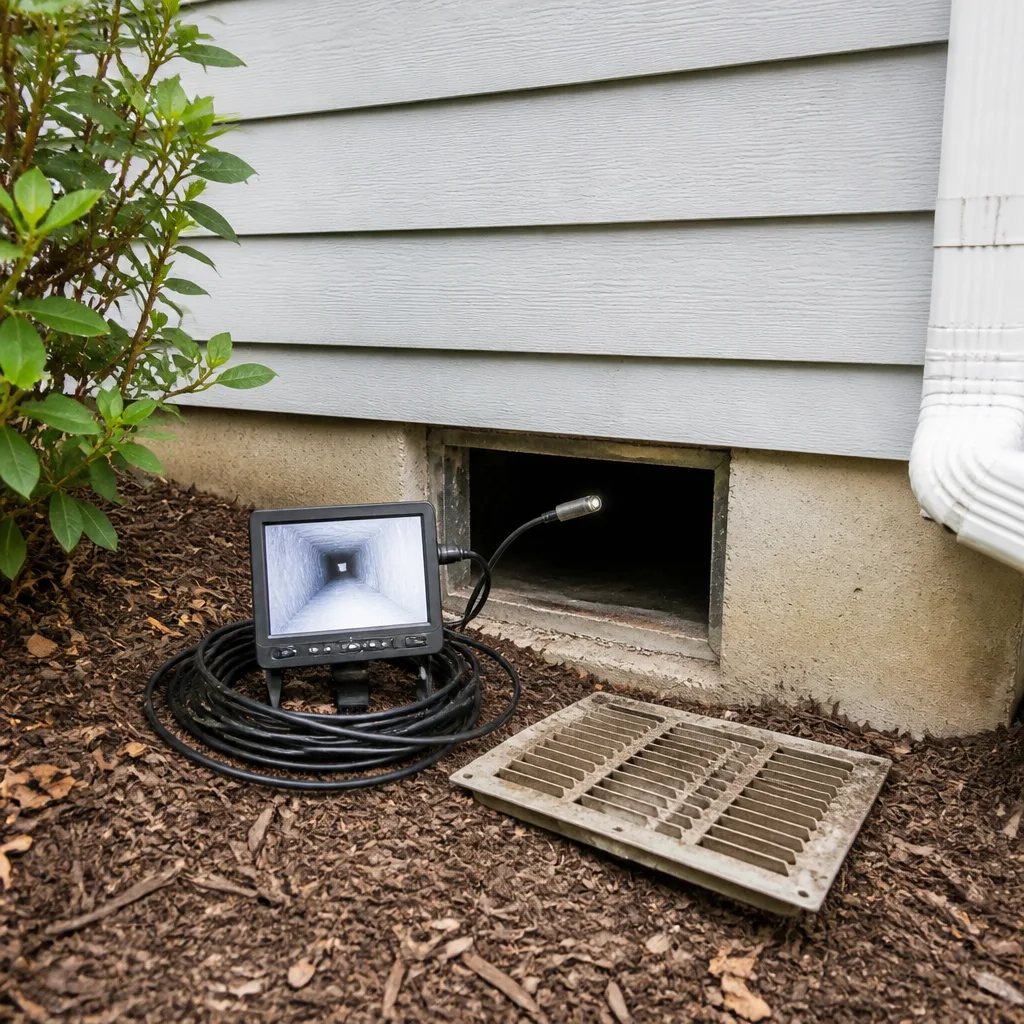 Camera inspection
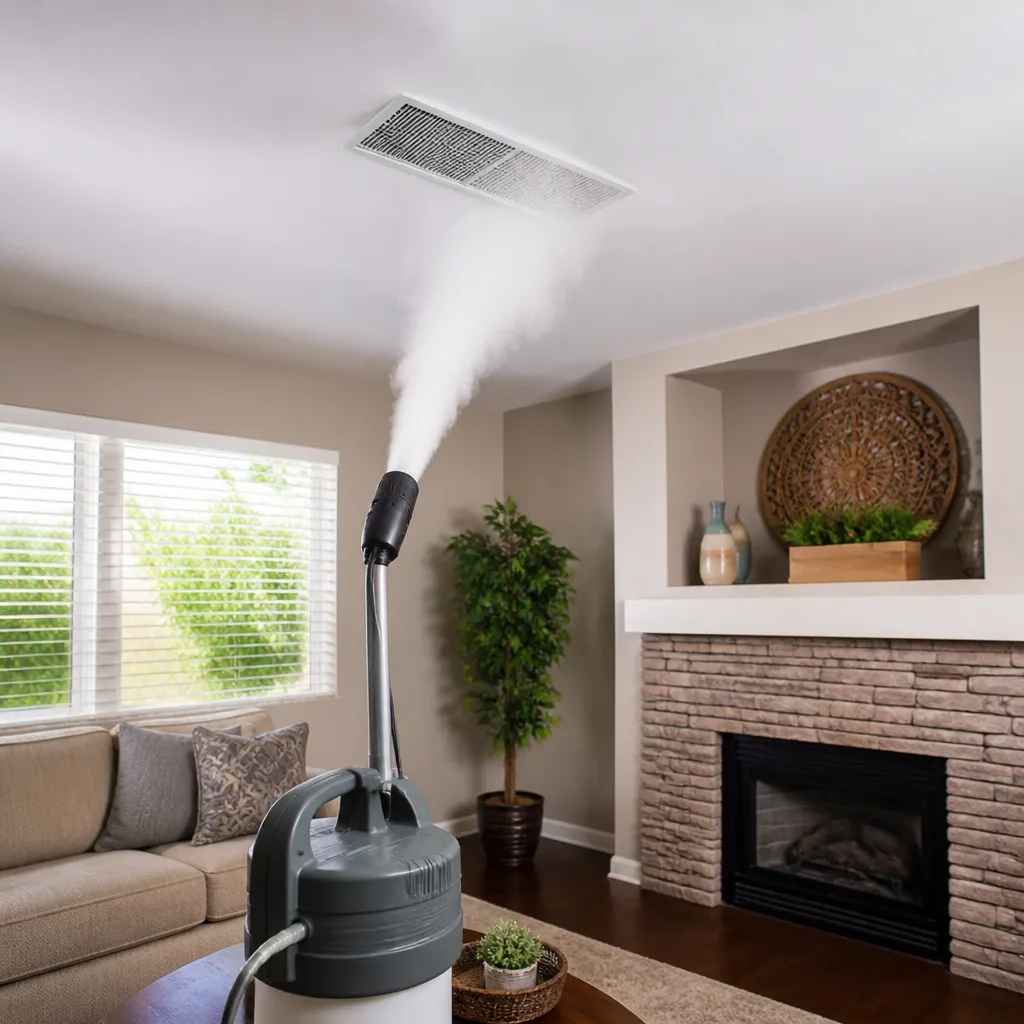 Sanitizing & deodorizing
Whole-system duct and dryer vent check with before-and-after photos - you see exactly what came out of your vents
That "$99 whole-house special" is a bait ad - the real number appears once they are in your hallway, or the "clean" is a shop-vac at the register. We photograph the inside of your ducts before and after instead.
Air Duct Cleaning Maintenance Checklist for Midvale Homeowners
If you cleaned your ducts last spring but skipped changing your filter during August’s wildfire smoke events, your ducts are already re-contaminated – and no cleaning schedule survives a maintenance gap that large. A lot of homeowners treat duct cleaning as a reset button they can press once and forget. It isn’t. The cleaning is the anchor point of a twelve-month rhythm, and the smaller tasks around it are what keep a good cleaning effective for years instead of months. Most checklists you’ll find online are written for a generic national climate and stop at “change your filter.” This one is built around Midvale’s actual calendar: inversion season, smoke season, renovation season, and the dry heating months in between. What follows covers filter grades for your household type, the register cleaning everyone skips, how to self-inspect with a phone camera, and the signals that mean maintenance has lapsed far enough that a filter swap won’t fix it.
Quick Answer
Air duct cleaning in Midvale should be anchored to an annual full-system cleaning, with filter changes every one to three months depending on MERV rating and household type, register and grille cleaning twice a year, and a quick phone-camera inspection of accessible duct sections between professional visits. The two local triggers that matter most are pre-inversion season in late fall and post-smoke-event checks in late summer. Stay on those and a cleaning holds for years; miss them and buildup returns within a single season.
Styles & brands we work with
- Whole-home duct cleaning
- Dryer vent cleaning
- Camera inspection
- Sanitizing & deodorizing
Table of Contents
- Why a Maintenance Checklist Beats a One-Time Cleaning
- The Midvale Climate Calendar: Month-by-Month Duct Tasks
- Filter Grades by Household Type: MERV Explained Plainly
- Register and Grille Cleaning: The Task Most Homeowners Skip
- How to Self-Inspect Accessible Ducts with a Phone Camera
- Post-Renovation and Post-Smoke Checks
- Signs Maintenance Has Lapsed Far Enough to Need a Professional
- What a Professional Maintenance Visit Actually Involves
Why a Maintenance Checklist Beats a One-Time Cleaning
Ductwork is a system that moves air, not a sealed container. Every time your furnace or air handler cycles, it pulls air in through returns, pushes it through the supply trunks, and delivers it through the registers. Whatever is in that airstream – dust, pet hair, drywall particles, wildfire ash – settles somewhere in the system. A thorough professional cleaning removes what has accumulated. What happens in the weeks after depends entirely on what you do next.
We’ve seen this pattern across Midvale homes in every part of the city. A homeowner books a cleaning when they notice dust on the ceiling around a register or a musty smell at startup. The cleaning clears it. Then the filter gets forgotten for four months, a bathroom remodel kicks off, and the system quietly refills. When the next cleaning comes around, the ducts are as bad as the first time. Nothing was wrong with the cleaning; the maintenance around it was missing.
The rhythm that actually holds looks like this:
- One full-system cleaning per year as the anchor: extraction of the supply and return network with professional equipment.
- Filter changes on a fixed schedule tied to filter grade and household type, not whenever you happen to remember.
- Register and grille cleaning twice a year, because supply vents are where visible dust lives and where airflow suffers first.
- Self-inspection of accessible sections between professional visits so you catch a problem early.
- Local seasonal checks before inversion season, after wildfire smoke, and after any renovation.
None of those tasks is expensive or difficult. Together they’re the difference between a cleaning that lasts and one that doesn’t. Think of the full cleaning on our air duct cleaning service page as the reset, and this checklist as what protects the reset.
The Midvale Climate Calendar: Month-by-Month Duct Tasks
Midvale sits in the Salt Lake Valley, which means two seasonal forces shape what happens inside your ductwork: winter inversion conditions that trap pollutants near the valley floor, and summer wildfire smoke that rolls in from farther afield. Generic national schedules ignore both. Below is the rhythm we recommend for a Midvale home, aligned to those realities.
Late fall (October-November): pre-inversion prep
- Change the filter before the heating season starts, ahead of the months when windows stay shut.
- Inspect and clean registers on the supply side. Any visible dust buildup gets wiped down now.
- Book your annual full-system cleaning if it hasn’t happened in the last twelve months. This is the cleanest window of the year to do it – the system is about to work hardest.
Winter (December-February): monitoring
- Check the filter monthly. If the surface is visibly grey or matted, change it regardless of the calendar.
- Note any new musty or burning smells at startup. Odor is a change signal, not an emergency, but it does mean something shifted.
- Keep return grilles clear of furniture, rugs, and curtains. Blocked returns strain the system and pull dust where you don’t want it.
Late summer (July-August): post-smoke checks
- Change the filter after a heavy smoke event. A MERV-rated filter that has loaded with smoke particles is doing nothing for the air moving past it.
- Wipe register faces to check for oily or dark residue, which tells you particles are getting through the filter path.
- Do a phone-camera inspection of one or two accessible sections (more on that below).
Spring (March-May): post-renovation and full reset
- If you did any renovation – even a small drywall patch or flooring replacement – inspect registers for construction dust.
- Clean or replace filters once the weather loosens and you can open windows again.
- Schedule the annual cleaning. Spring cleaning before the cooling season starts works just as well as fall, and it’s often easier to schedule.
If your home has a dryer vent running through a wall or up to the roof, add one annual check to that stack. Our dryer vent cleaning service covers that, and it belongs on the same annual calendar as the ducts.
Filter Grades by Household Type: MERV Explained Plainly
The MERV number on your filter tells you how well it traps particles at a specific size range. Higher MERV means finer filtration, but it also means more airflow resistance, and a filter your system can’t pull air through is worse than a lower-MERV filter changed on time. The right answer depends on your household, not on buying the highest number the store has.
What the MERV scale actually means for a Midvale home
- MERV 6 to 8: Basic filtration. Captures pollen, dust, and larger particles. Works in any system without adding strain. Good baseline for a home with no pets, no allergy sufferers, and a filter changed every two to three months.
- MERV 9 to 11: A step up in fine-particle capture. Appropriate for most homes with pets, light dust sensitivity, or below-average indoor air. Still gentle enough on airflow for standard residential systems.
- MERV 13: High end for residential HVAC. Catches fine smoke particles and most allergens. Best suited to homes where someone has real respiratory sensitivity or the system itself is rated to handle the resistance. Change these more often – a loaded MERV 13 is a bottleneck.
Note the plain-English implication: a MERV 13 filter on a system not designed for it can starve airflow and drive up heating and cooling bills. If you go high-MERV, watch how the system runs for a week and drop back if airflow feels weaker at the registers.
Filter schedule by household type
- Pet households: MERV 9-11, changed every 60 days. Pet hair loads a filter faster than most people expect.
- Allergy-sensitive households: MERV 11-13, changed every 60 days during high-pollen and smoke seasons, every 90 days otherwise.
- Post-renovation households: Change immediately after any major project dust settles. Then a second change 30 days later as the system clears what got pulled in during the work.
- Standard households: MERV 6-8, every 90 days. Simple and consistent beats clever and forgotten.
If you want a filter setup better tuned to your home – or a whole-home air cleaner as part of your system – brands like Honeywell and Aprilaire make units that integrate with standard residential HVAC. We supply and install both as part of our air quality work, and the filter recommendations above apply whether you’re running a standard slot filter or an integrated unit.
Register and Grille Cleaning: The Task Most Homeowners Skip
Walk through any Midvale home and you can usually tell which registers got attention and which didn’t. Supply grilles collect dust from the air moving out of them. Return grilles collect everything the system is pulling in. Between two professional cleanings, both accumulate enough buildup that airflow drops and visible dust starts settling on the ceiling and wall around them. It’s the easiest task on this list and one of the most skipped.
How often, and how
- Supply registers: twice a year. Wipe the face with a damp microfiber cloth, remove the grille if it comes off easily, and clean behind it.
- Return grilles: twice a year minimum, more often in pet households or after any renovation. Returns see heavier household dust because they’re pulling room air in.
- Floor registers pick up fibers, pet hair, and small debris faster than wall or ceiling registers. Check them monthly in a busy household.
A note on the difference between registers and the ducts behind them: register cleaning is DIY-safe and useful. What’s inside the duct trunk behind a register isn’t something you can reach, and poking around inside with a vacuum attachment generally pushes loose dust deeper into the system rather than pulling it out. If you can see heavy buildup through the register opening, don’t try to dislodge it yourself. That’s a call for extraction equipment.
How to Self-Inspect Accessible Ducts with a Phone Camera
You don’t need special equipment to know whether your ducts are accumulating buildup between professional cleanings. A phone with a flashlight works. This is a monitoring tool, not a cleaning method – the goal is to catch a change early enough that a filter swap or a scheduled cleaning fixes it before it becomes a real problem.
Step-by-step self-inspection
- Pop a register off at a supply vent where you can see a straight run of duct. Choose a first-floor or basement register if you have one.
- Set your phone to video with the flashlight on, or use a still photo mode with a timer. Hold it just inside the opening and point it down the trunk, not into the branch.
- Capture three shots: one looking straight back, one angled toward the ceiling of the duct, one angled toward the floor. Debris settles on horizontal runs and pools at elbows.
- Repeat at a return register on the same floor. Returns show accumulation first because that’s where the system collects.
- Compare against last time. Photograph and keep notes. A single inspection tells you the current state; two tells you whether it’s getting worse.
- Clean the register face and reinstall when done. Don’t reach inside or try to vacuum with a household attachment.
What you’re looking for: light surface dust is normal and expected. A visible mat of fibers, dark greasy buildup, or debris that looks like it’s settled into a layer on the duct floor means the system is accumulating faster than the maintenance schedule can handle. A single heavy spot near a return usually points to a filter that’s been neglected. That’s a case where you change the filter and re-check in a month before deciding on a professional visit.
Post-Renovation and Post-Smoke Checks
Two events reliably load a duct system faster than ordinary household dust: construction dust and wildfire smoke. Both are on the Midvale calendar whether you plan for them or not, and both are preventable maintenance failures.
After any renovation
- Change the filter the day the work finishes, and again 30 days later. Drywall dust travels and settles into filters in waves.
- Wipe all registers and grilles within a week. Construction dust on a register face is a sign some of it has moved further into the system.
- Cover open registers during future work. Plastic film and painter’s tape around a register during demo is the cheapest protection you can give the system.
- Inspect with the phone camera within two weeks of project completion. If construction dust is sitting on the duct floor, schedule a professional cleaning rather than waiting for the annual cycle.
After a wildfire smoke event
- Change the filter after the smoke clears, especially if you run MERV 11 or higher. Once loaded, it stops capturing.
- Check registers for dark or oily film. Smoke particles that get past the filter leave a visible trace on register faces.
- Smell test the first heating or cooling cycle. A lingering smoky smell after startup means particles made it into the system and are being re-suspended.
- Consider containment during cleaning. When smoke residue has to be extracted, professional containment equipment matters: the process should trap dislodged particles rather than redistributing them through the house. Our crews run Abatement Technologies air filtration during service for exactly this reason.
If a renovation or a smoke event has put enough material into the system that a filter change no longer clears it, a professional visit is the next step. That may combine HVAC cleaning with duct extraction, and sometimes duct repair if the work exposed leaks or disconnected joints.
Signs Maintenance Has Lapsed Far Enough to Need a Professional
Routine maintenance is filter changes, register cleaning, and self-inspection. The moment you’re trying to solve a system problem by swapping a filter, you’ve moved past routine into professional territory. Here’s what actually signals that shift:
- Visible buildup on duct interior in your phone-camera shots that doesn’t reduce after a filter change and a month’s wait.
- Odor at first startup that persists past the first few minutes – not the ordinary smell of warm dust, but a musty, smoky, or stale note that returns every cycle.
- Dust settling quickly on horizontal surfaces and ceiling areas within days of cleaning.
- Noticeable airflow drop at registers even with a clean filter installed.
- Whistling or rattling at registers or in the return path – often a sign of a leak, a disconnected joint, or a duct problem rather than a dirt problem.
- Recent renovation, smoke event, or pest intrusion where you’re not sure what got into the system.
Any one of these points to a professional cleaning at minimum, and possibly more. A leaky or disconnected duct section is worth catching at the same visit as the cleaning, so it gets sealed before efficiency losses follow the cleaning out the door. Most homeowners don’t realize how much of their HVAC bill walks out through a bad joint behind a register; that’s the value of duct repair and sealing as part of the same service call rather than a follow-up months later.
What a Professional Maintenance Visit Actually Involves
Knowing what a real cleaning looks like tells you what to ask for. If you’ve booked a service for the first time in years, don’t assume every provider uses the same equipment. A coupon-stand competition on price usually means a lower-grade setup: a shop-vac style vacuum and a brush on a flexible rod. That approach doesn’t have the extraction power or the containment to pull a mature accumulation out of a duct system, and it can stir up more than it removes.
What our technicians do on a full cleaning (and what you should look for from any professional):
- Set up containment first. Air filtration equipment runs during the work so dislodged particles are captured rather than re-entering your living space. We use Abatement Technologies filtration for this.
- Extraction through the whole system. We run Rotobrush and Nikro rotary brush and high-powered vacuum systems through the supply trunks, branches, and returns. These are the same class of equipment commercial operators use because they physically dislodge and pull out debris rather than relying on suction alone.
- Clean registers and grilles as part of the process so the system is clean end to end.
- Inspect what cleaning exposes. Duct joints, connections, and seams can show leaks once the dirt is out. If any need repair or sealing, we handle that in the same visit.
- Recommend air quality upgrades only where they make sense. Whole-home filters, purifiers, and sanitizers from Honeywell, Aprilaire, or Guardsman get recommended based on your household type and what the cleaning turned up, not on a standard add-on menu.
Our technicians have up to 13 years of experience with this equipment, which matters when a system has years of accumulation and needs to be extracted without damage. That’s the anchor visit. Everything else in this checklist is what keeps that visit from being repeated before its time.
Common Mistakes to Avoid
- Changing the filter on a calendar only. A MERV 13 filter that loaded up in six weeks of smoke season is doing nothing for the remaining six weeks of its three-month schedule. Check the surface monthly during heavy-use months.
- Skipping register cleaning because it “doesn’t affect the ducts.” Register faces load with dust, restrict airflow, and shed visible dirt onto surrounding surfaces. It takes five minutes twice a year and prevents a lot of premature cleaning.
- Poking inside ductwork with a shop vacuum. A household vacuum can’t extract settled debris and mostly stirs it further into the system. Register cleaning is DIY-safe; duct interior work isn’t.
- Booking the cheapest cleaning and expecting the same result. When a quote is dramatically lower than the rest, ask what equipment they bring. Extraction power and containment are the entire job.
- Ignoring the duct repair conversation after a cleaning. A leaky joint left alone just spreads dirt back into the system. Repair and sealing belong in the same visit.
- Assuming wildfire smoke is only a summer concern. Late-summer smoke events follow a pattern in Midvale, and a filter that ran through one needs replacing before the heating season starts, not after.
- Forgetting the dryer vent. Dryer vents accumulate lint the same way ducts accumulate dust, and a blocked dryer vent is a fire risk, not a comfort issue. That’s why it’s a standalone service we offer alongside the duct work.
See the difference
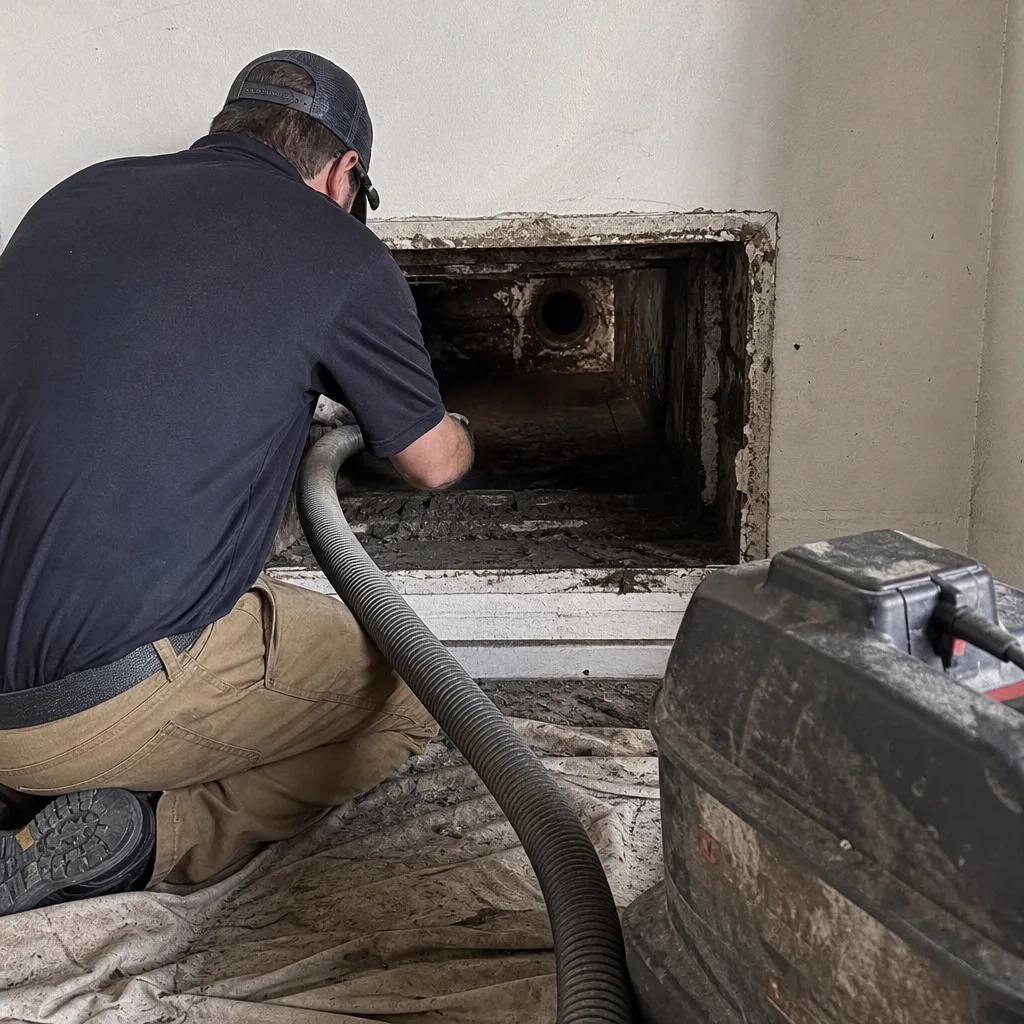 Before
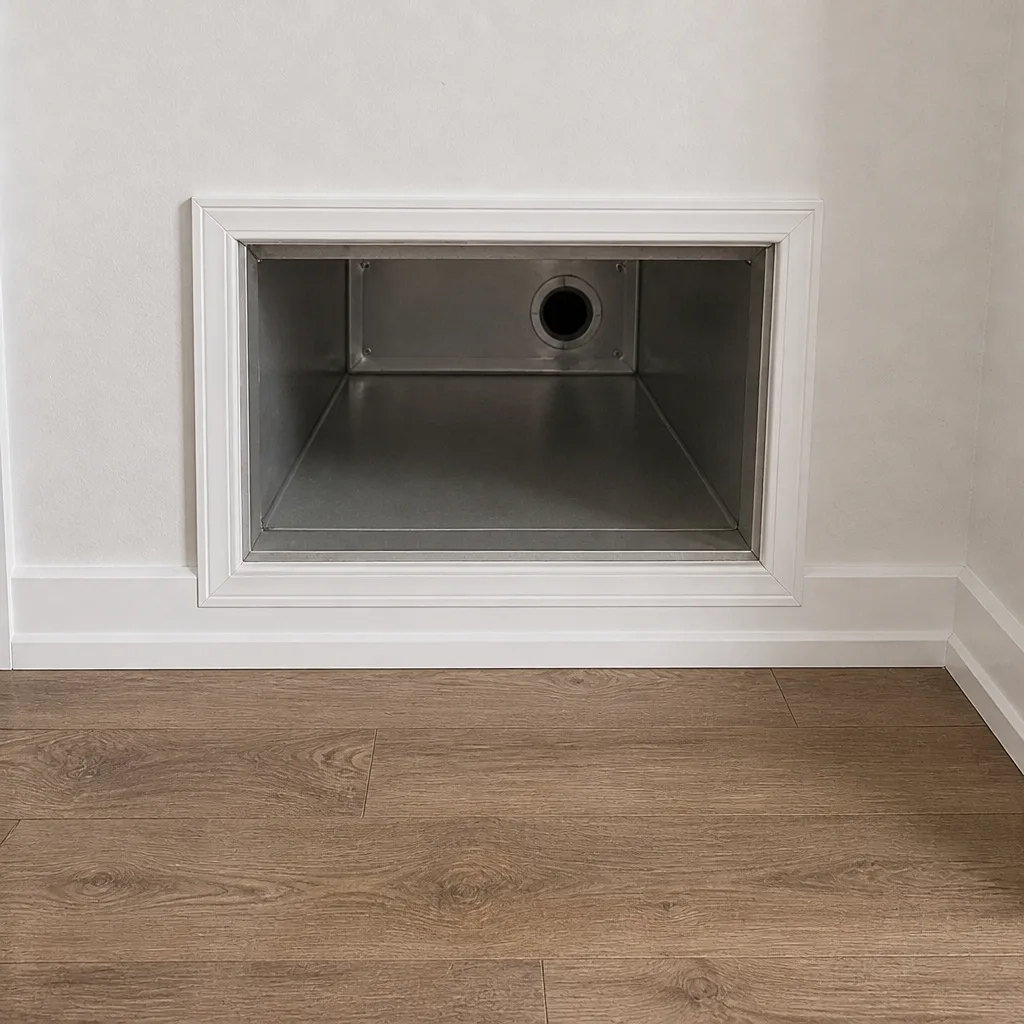 After
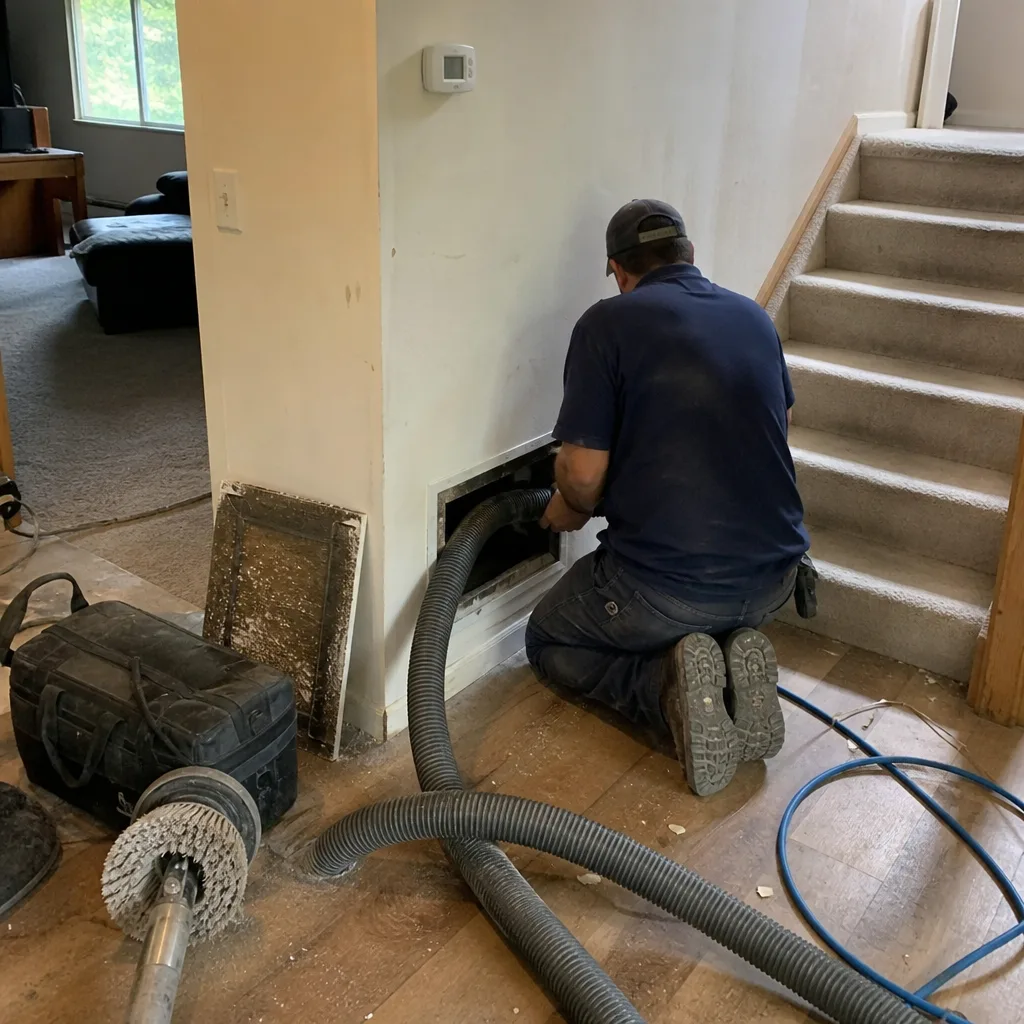 Before
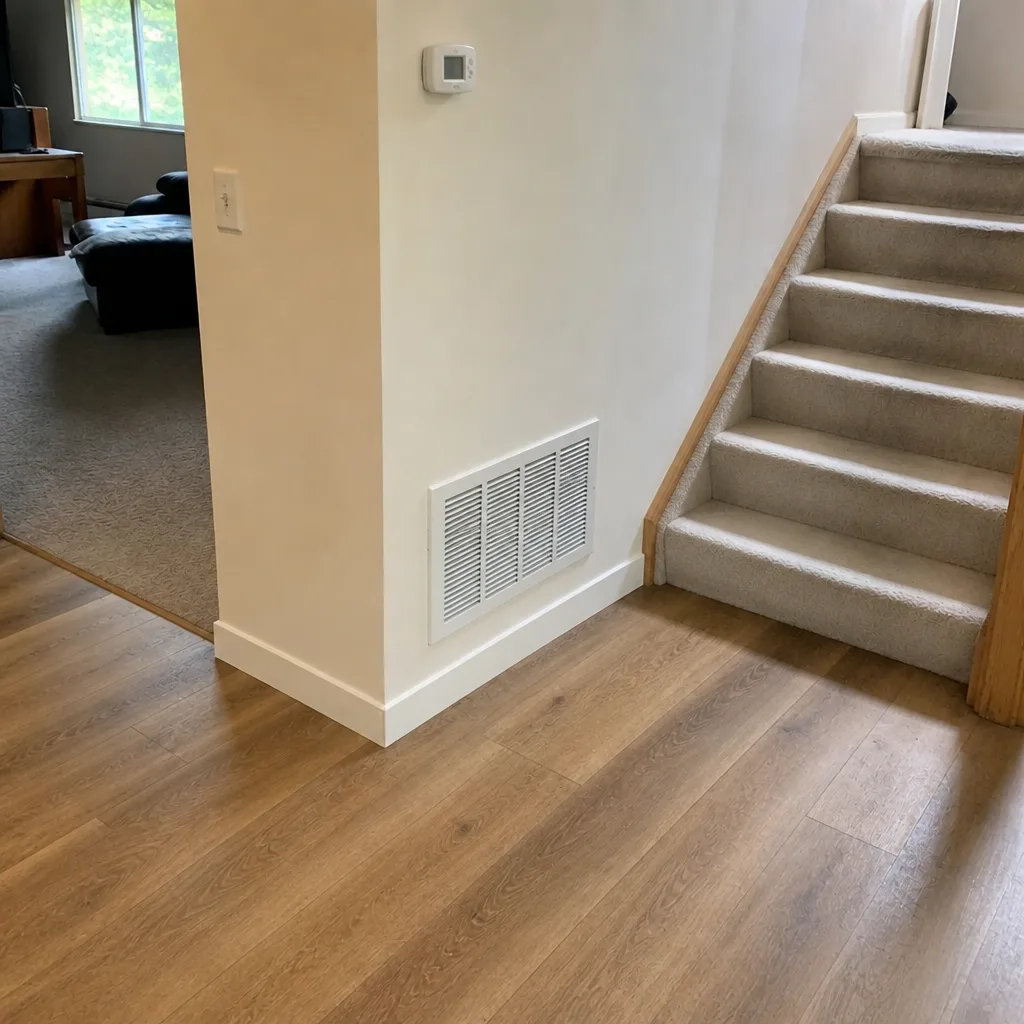 After
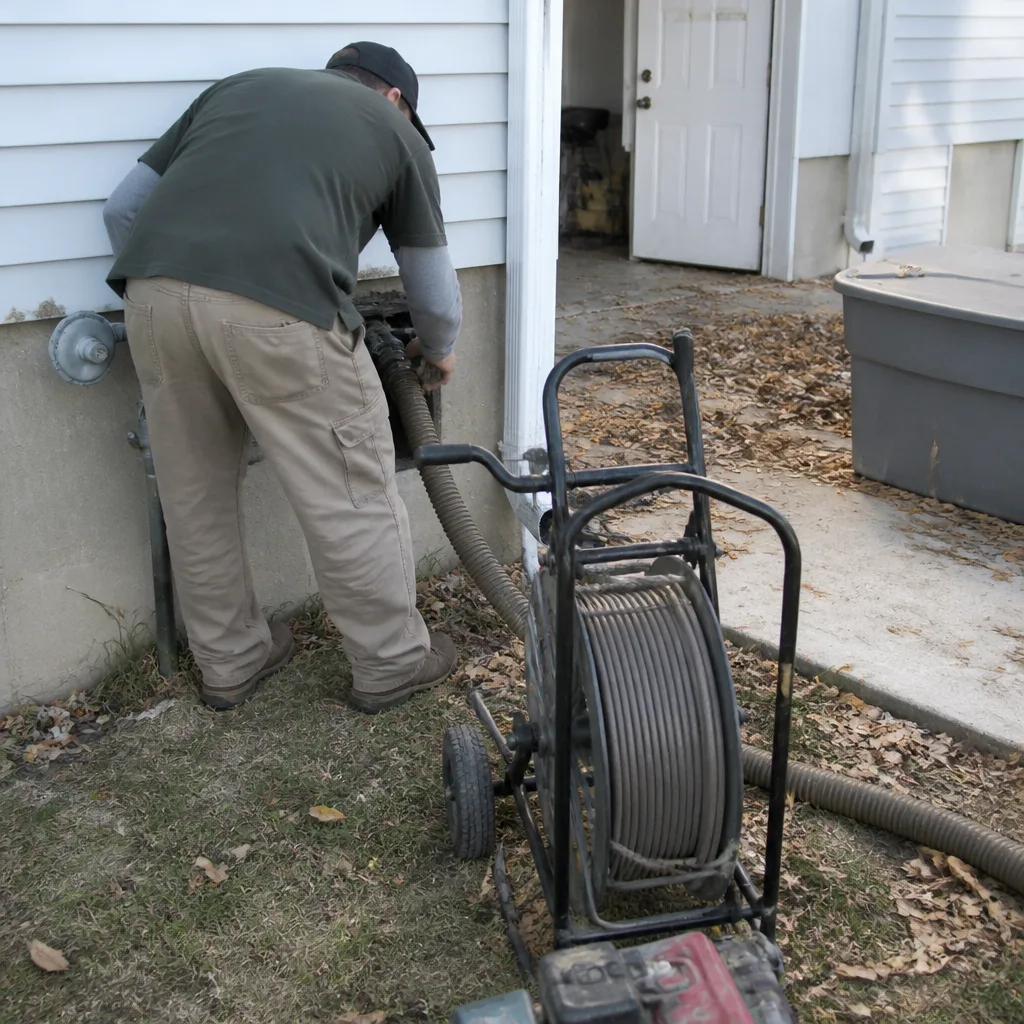 Before
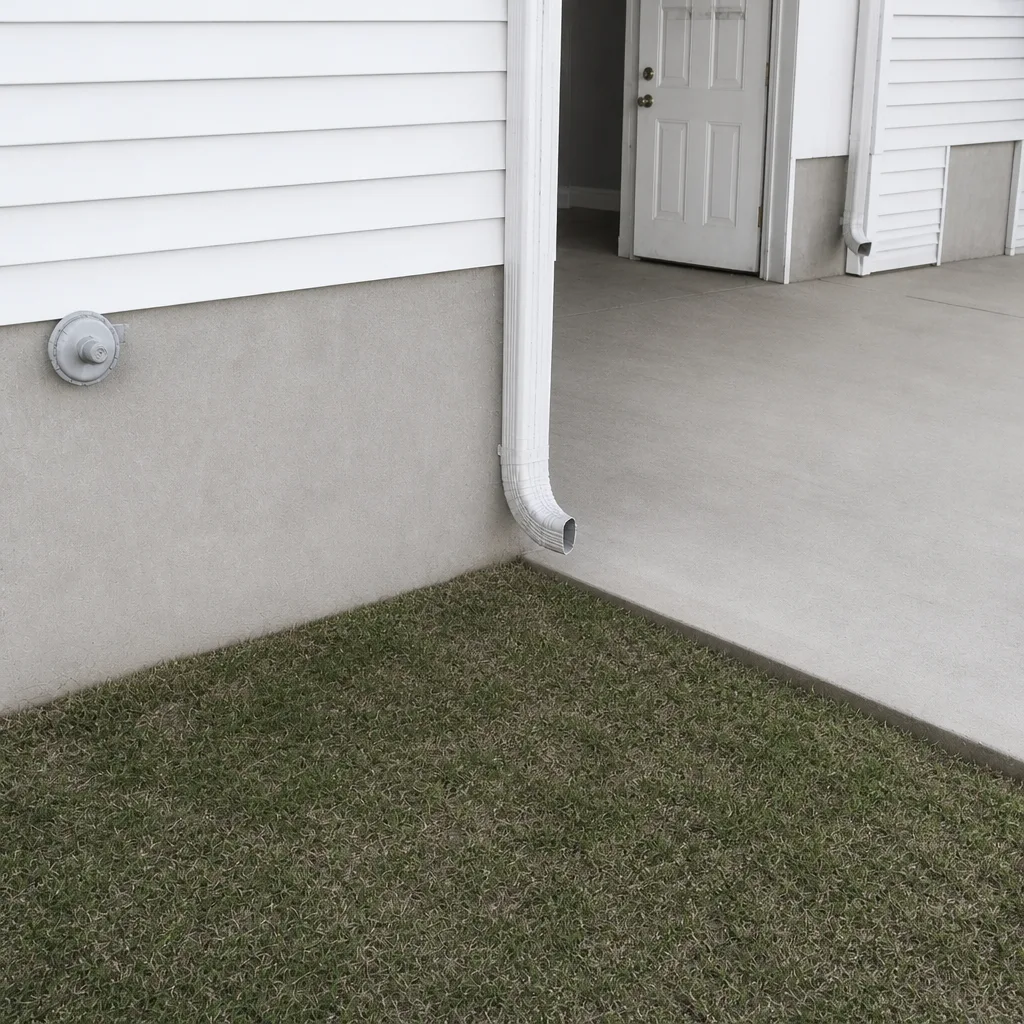 After
When to Call a Professional
Call us when self-inspection finds buildup that won’t clear with a filter change, when odor returns at every startup, when airflow has dropped at registers with a clean filter installed, or when a renovation or heavy smoke event has put material into the system faster than routine maintenance can handle. Also call if it’s been more than a year since a full cleaning and you’re not sure what state the system is in – an inspection visit tells you that quickly. Midvale Air Duct Cleaning offers free estimates in Midvale. Call (855) 337-0937. We answer 24/7, and fast dispatch runs 7am to 7pm Sunday through Friday.
Frequently Asked Questions
Most Midvale homes do well with a full cleaning once a year, anchored to either late fall before inversion season or spring before the cooling season. Homes with pets, allergy-sensitive occupants, or recent renovations may need an additional visit, but a yearly cycle with the maintenance tasks in this checklist handled on time usually keeps the system stable between cleanings.
Yes, and twice a year is the right rhythm for most homes. Supply and return grilles load with dust, restrict airflow, and shed visible dirt around the vent opening. Wiping them down takes a few minutes and keeps the system cleaner between full cleanings. It’s the single easiest maintenance task most homeowners skip.
MERV 6-8 is a safe baseline for most homes without pets or allergy concerns. Pet households and homes with allergy-sensitive occupants do better on MERV 9-11, changed every 60 days. MERV 13 catches fine smoke particles but can restrict airflow in systems not rated for it, so it’s a case-by-case choice rather than an automatic upgrade.
You can monitor accessible sections with a phone camera, and it’s worth doing between professional visits. What you can’t do yourself is remove settled debris from the duct interior – a household vacuum won’t extract it and usually pushes it deeper. Use the phone-camera inspection to know the state of the system, then book a professional cleaning when buildup shows up.
The usual reasons are pets, a filter schedule that slipped, a recent renovation, or a return grille that’s been blocked by furniture. Midvale homes running near busy streets or with older ductwork also accumulate faster because duct seams and leaks pull unfiltered air in. A professional inspection can usually tell you which of those is happening.
Yes. Lint accumulates in the dryer vent the same way dust accumulates in ducts, and a blocked dryer vent is a fire risk rather than a comfort issue. One annual dryer vent cleaning fits neatly into the same maintenance calendar as the air duct work, and it’s worth adding if you can’t remember the last time yours was done.
Call (855) 337-0937 for an exact quote on any of the services above – estimates are free.
The Bottom Line
Your ducts are only as clean as the process behind them, and that includes the maintenance around a cleaning as much as the cleaning itself. Anchor the year with one full-system cleaning, protect it with a filter schedule built around your household type and Midvale’s smoke and inversion seasons, and stay ahead of what’s happening inside the ducts by checking registers and accessible sections with a phone camera between visits. When buildup or odor won’t clear with a filter swap, that’s the signal to book a professional. Call (855) 337-0937 to schedule a free estimate. We answer 24/7, with fast dispatch from 7am to 7pm Sunday through Friday.
Written by the team at Midvale Air Duct Cleaning.