
Last updated November 23, 2026
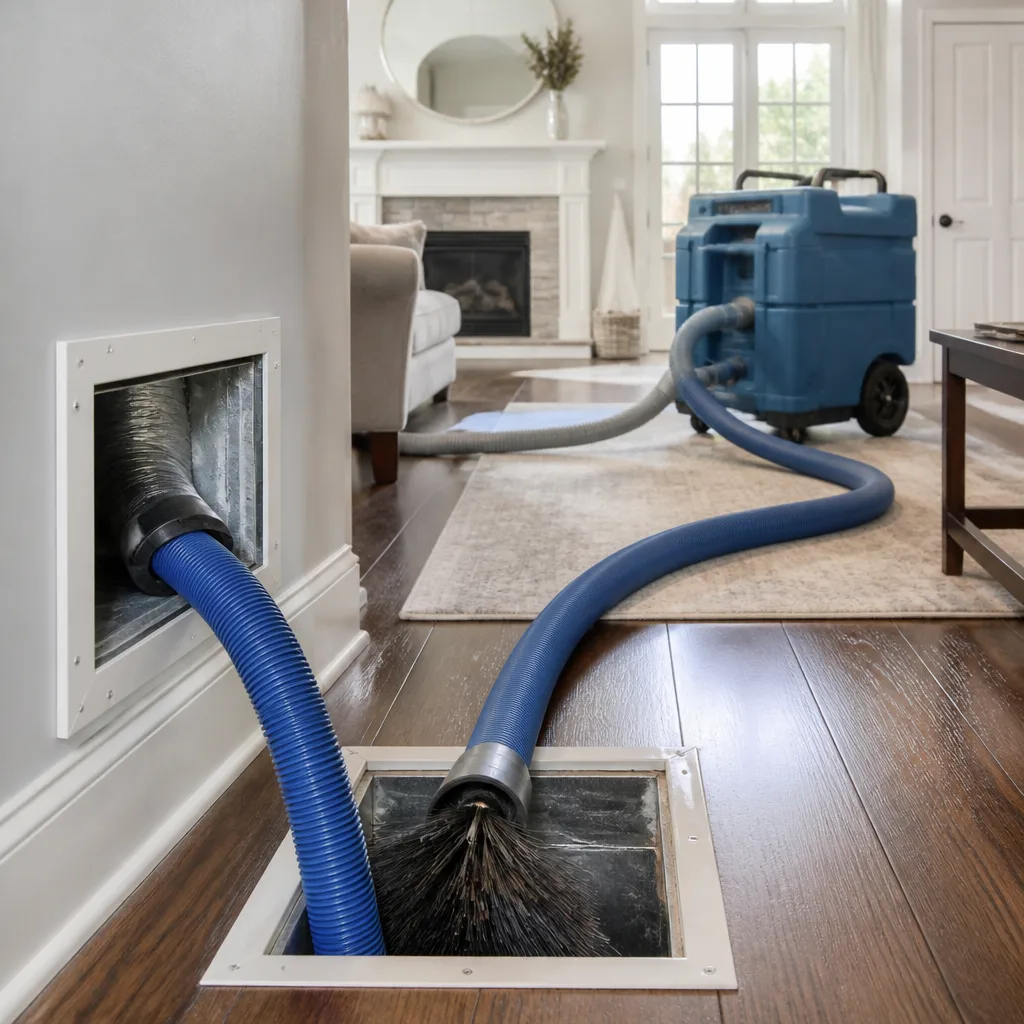 Whole-home duct cleaning
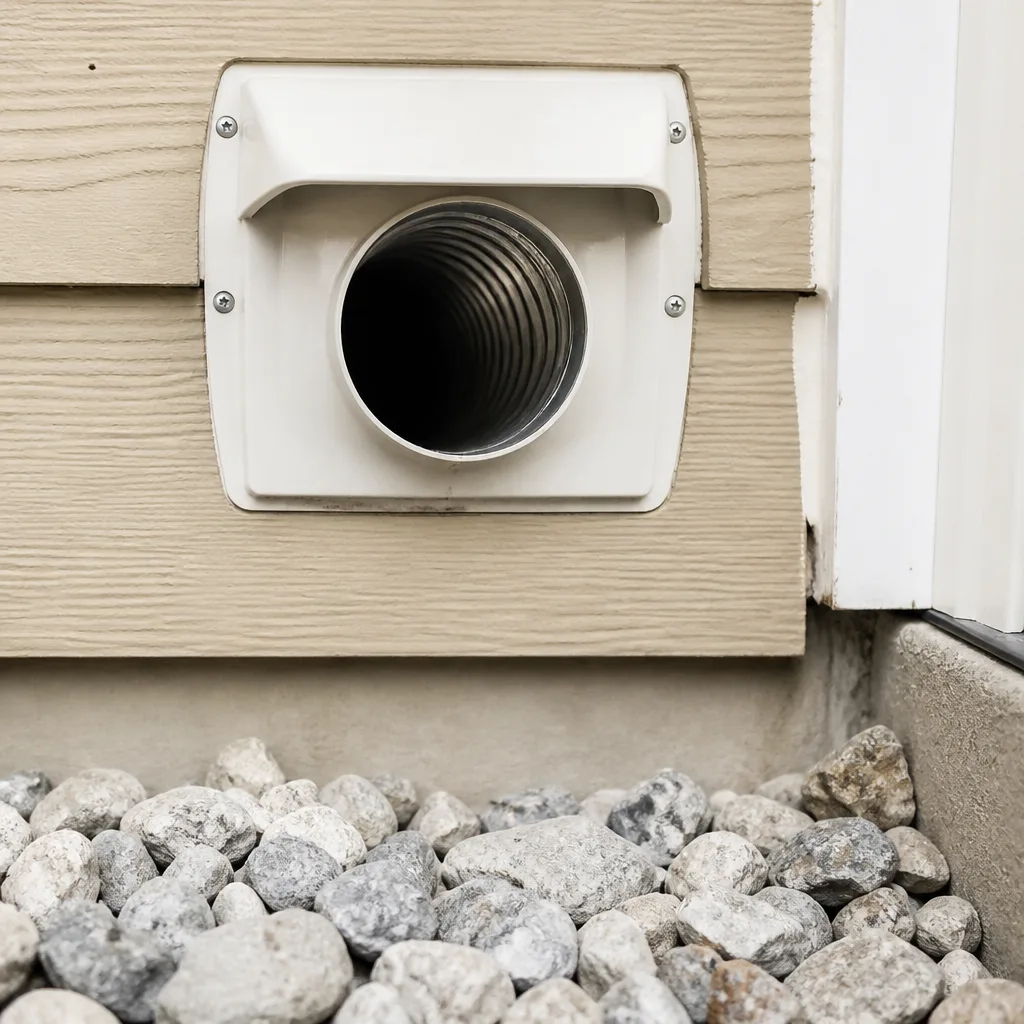 Dryer vent cleaning
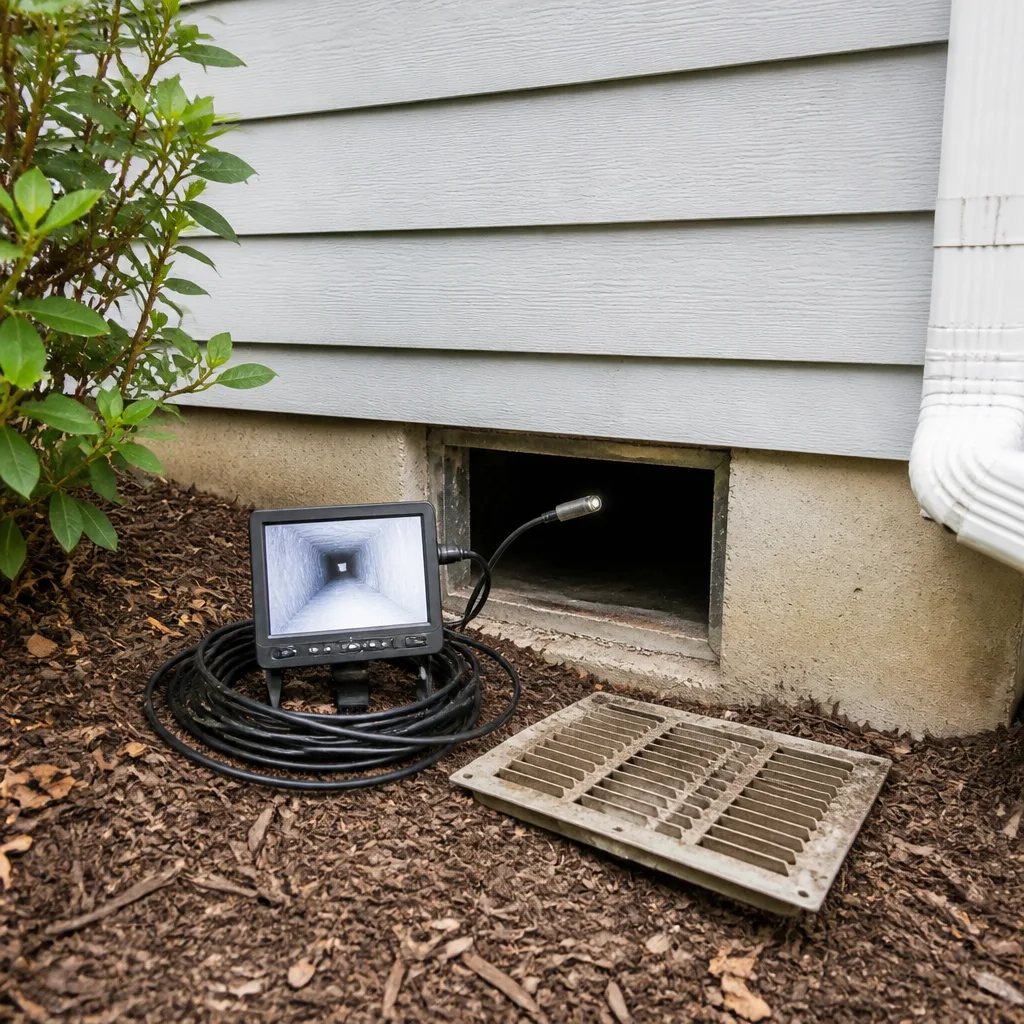 Camera inspection
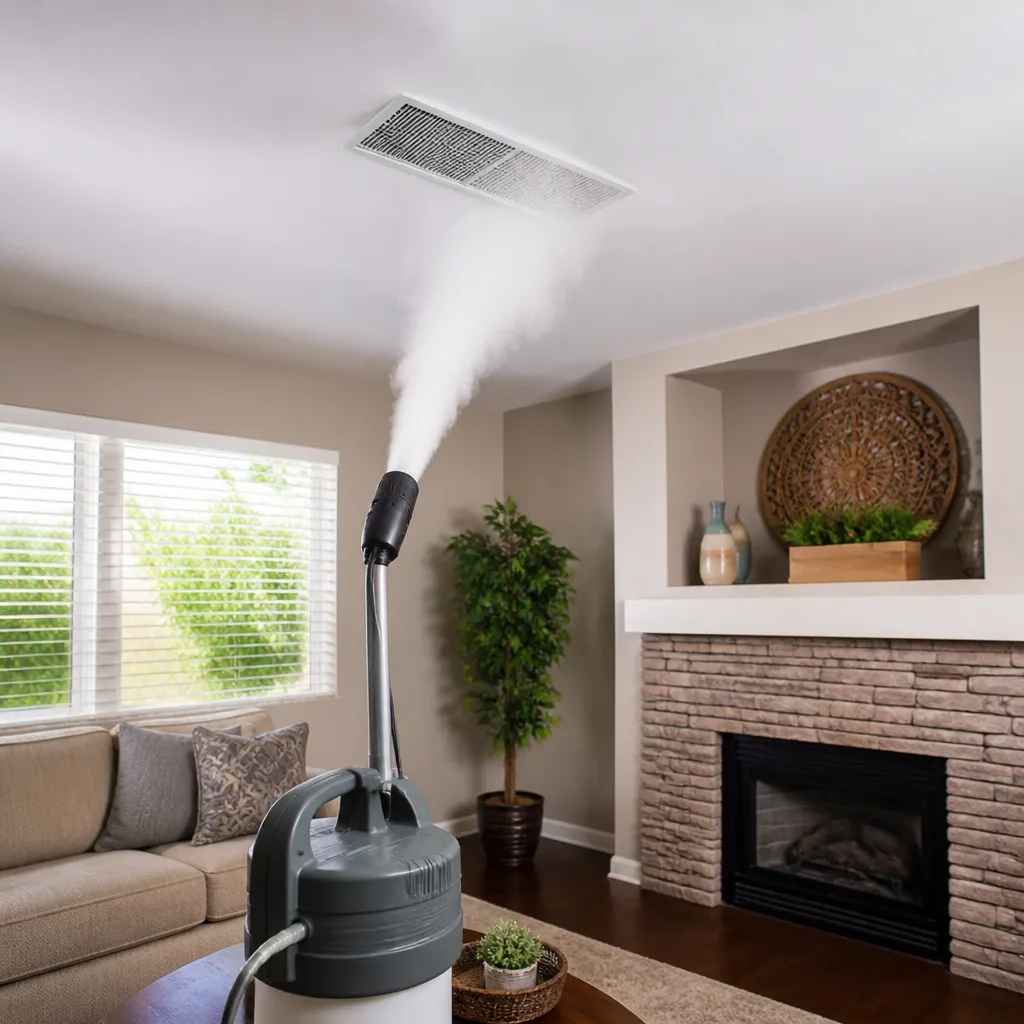 Sanitizing & deodorizing
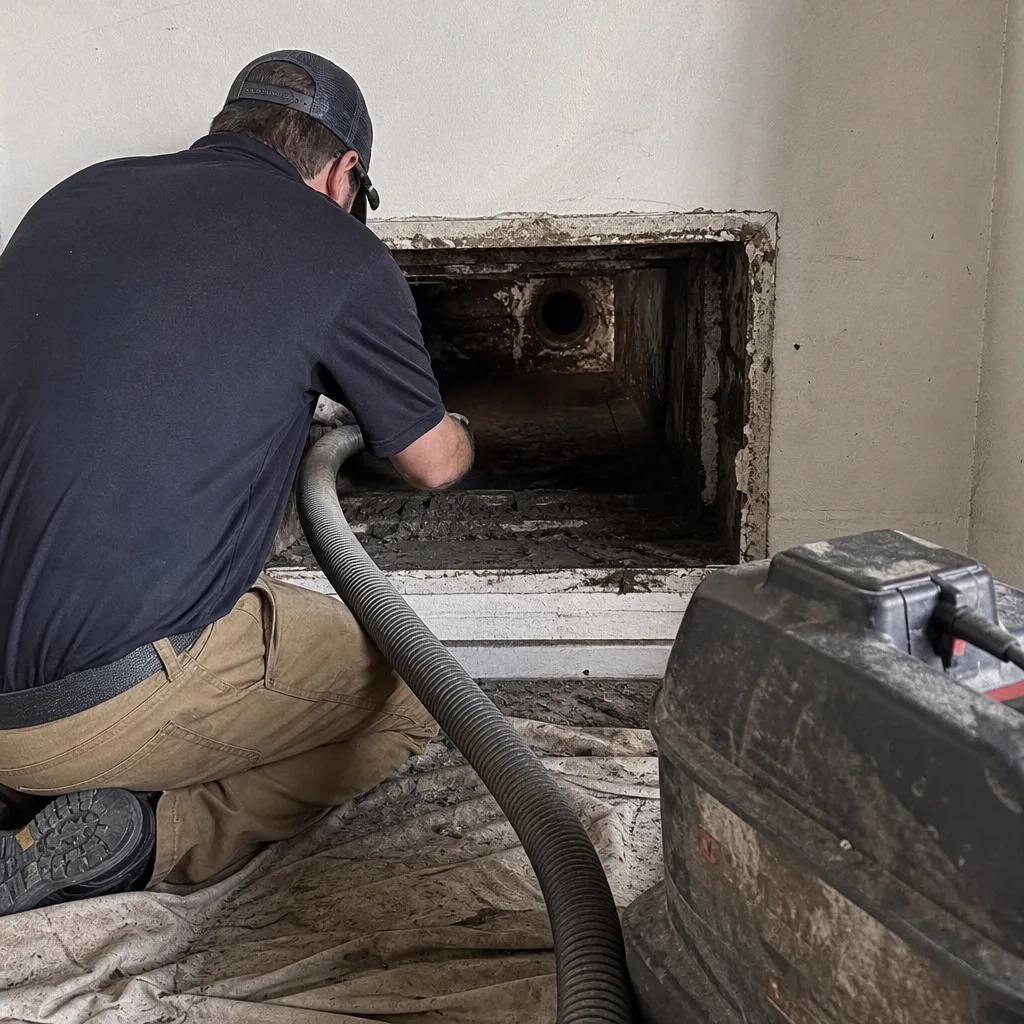
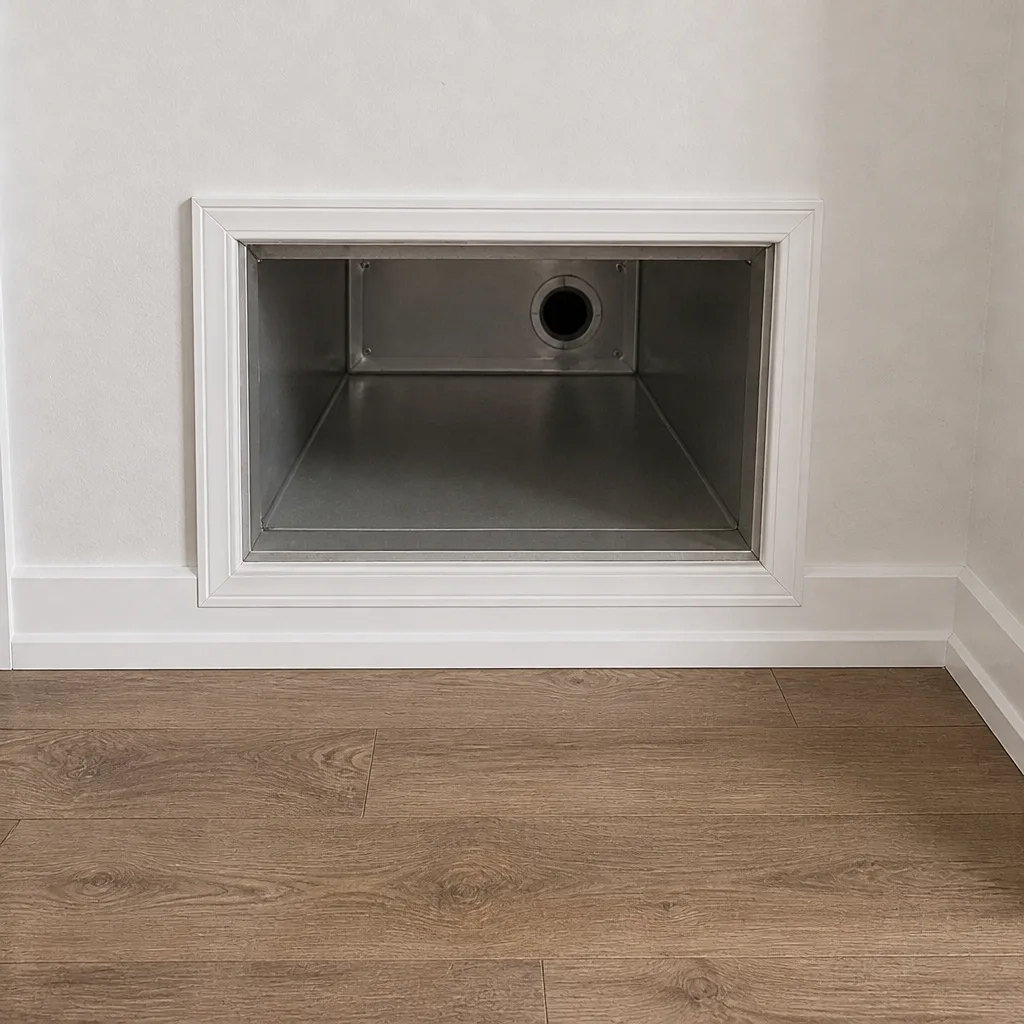
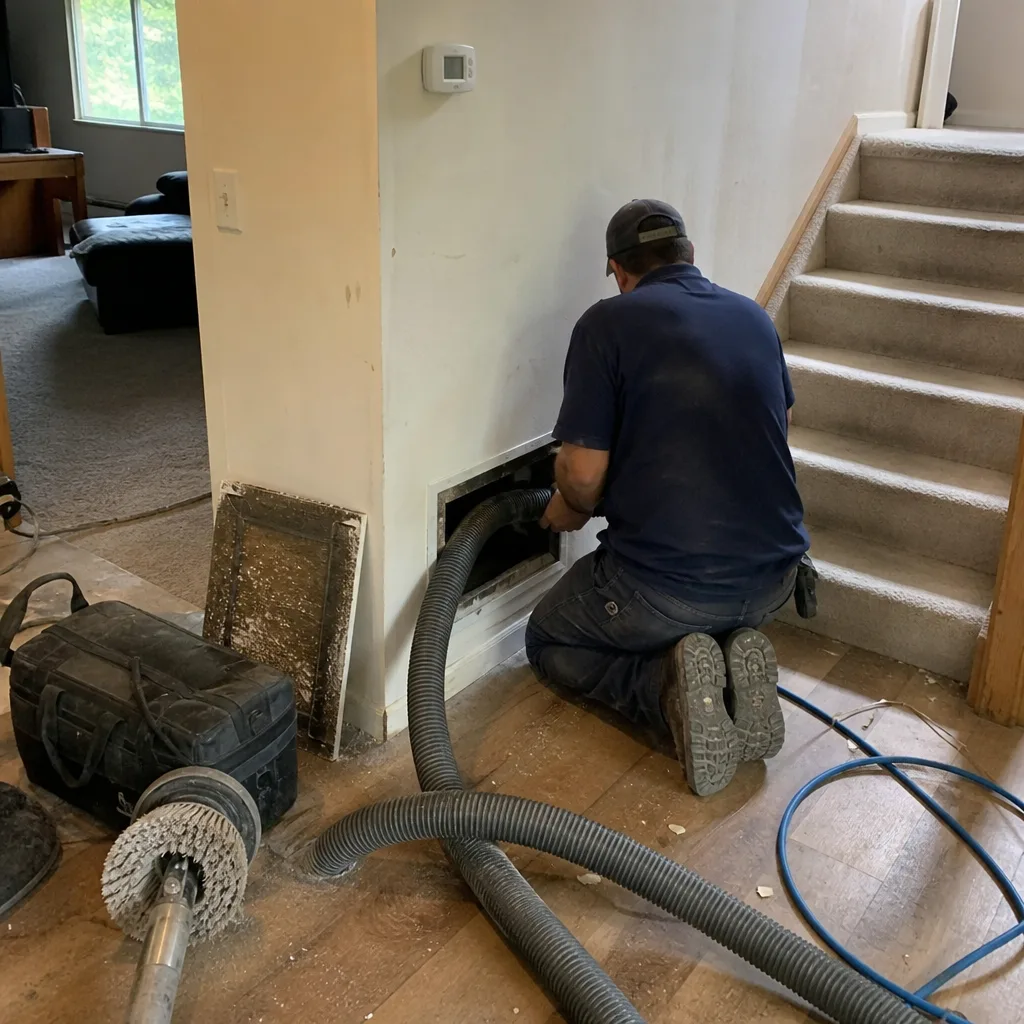
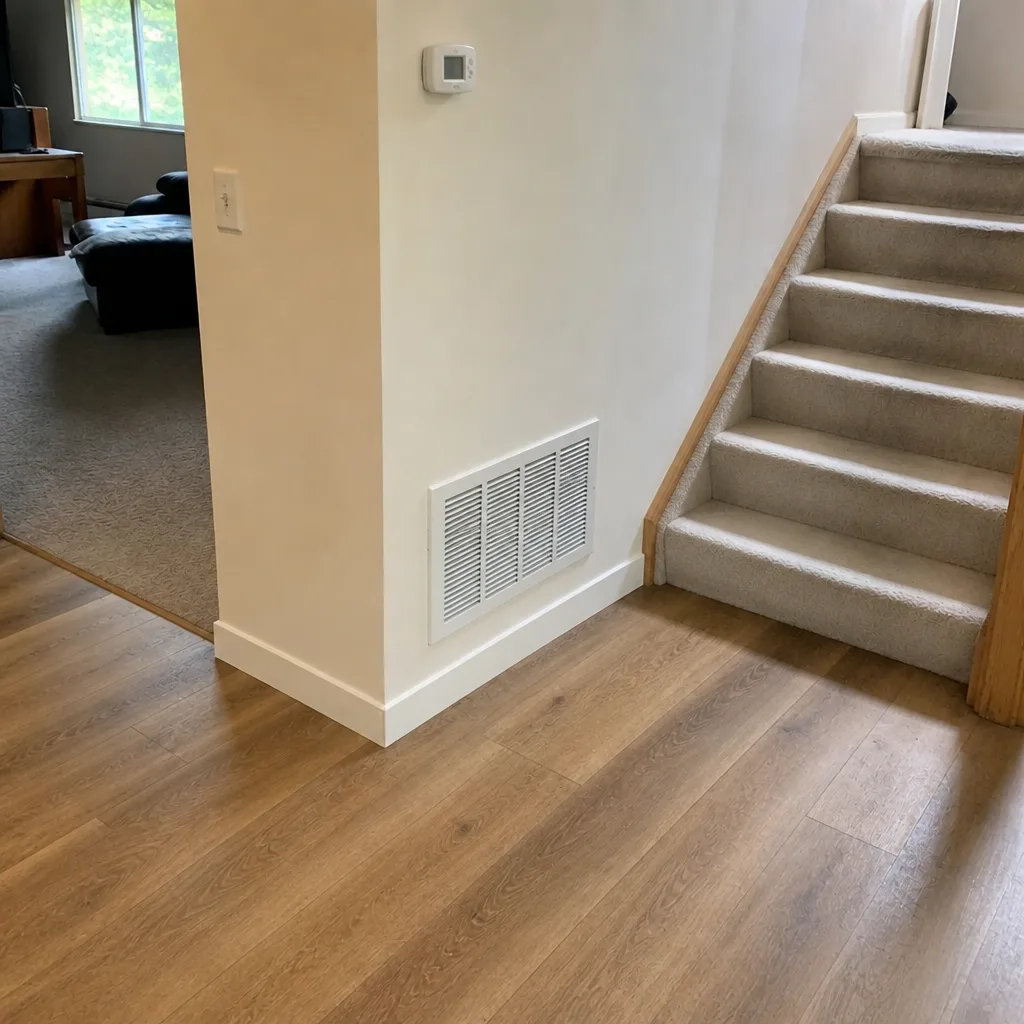
Whole-system duct and dryer vent check with before-and-after photos - you see exactly what came out of your vents
That "$99 whole-house special" is a bait ad - the real number appears once they are in your hallway, or the "clean" is a shop-vac at the register. We photograph the inside of your ducts before and after instead.
Air Duct Cleaning Maintenance Schedule: What to Do and When
The building code in most of Utah is about as clear as it gets on filters: you change them, and you change them often. What it says nothing about is the ductwork the filters are protecting. Most homeowners treat duct cleaning like a chore with a fixed calendar, somewhere between three and five years, and then wonder why the number never quite fits. Here’s the thing we run into again and again in Midvale: a fixed timer is a guess, not a schedule. Your ducts collect debris at whatever rate your house, your pets, your renovations and your seasons dictate. In this guide we’ll show you how to build a schedule around what your system is actually telling you, including the seasonal patterns that are specific to Midvale and the Wasatch Front.
Quick Answer
Most Midvale homes need professional duct cleaning every three to five years, but that range should shift based on three things: whether you have pets or allergy sufferers in the house, how often you remodel, and how fast your furnace filter loads up. If your filter is clogging in under a month instead of lasting its rated interval, your ducts are telling you it’s time. Households with pets, recent renovation dust, or a resident with asthma should lean toward the early end of the range rather than the late end.
Styles & brands we work with
- Whole-home duct cleaning
- Dryer vent cleaning
- Camera inspection
- Sanitizing & deodorizing
Table of Contents
- Why a Fixed Three-to-Five-Year Timer Fails in Midvale
- Midvale’s Seasonal Duct Calendar: Cottonwood, Inversion, Wildfire Smoke
- The Condition-Based Schedule Matrix
- Your Filter Log Is the Best Clue You Have
- What to Do Between Professional Cleanings
- How to Build a Written Schedule Tied to Your HVAC Visit
- Common Mistakes to Avoid
- When to Call a Professional
Why a Fixed Three-to-Five-Year Timer Fails in Midvale
The three-to-five-year rule gets repeated everywhere, and it’s not wrong, exactly. It’s just that it’s an average pulled from homes across the whole country, and Midvale is not an average town. Your forced-air system here runs a heating cycle from roughly October through April, and then it flips straight into cooling season with only a few weeks of real downtime in between. That’s a long stretch of continuous airflow through the same ducts, pulling whatever’s in the air through them.
Add the local variables and the average starts to drift. Midvale sits in a high-desert valley, which means fine dust is a constant. Cottonwood trees drop their fluff in late spring, and anyone who lives near them knows that fluff ends up inside the return grilles. Winter brings hard freezes and a furnace that never really rests. Spring brings construction dust as the neighborhood turns over.
What this means in practice: a three-bedroom Midvale home with two dogs, an asthmatic child and a kitchen remodel is not the same system as a two-person household with a high-MERV filter and no pets. The first home could need cleaning every two to three years. The second might genuinely stretch to five. A fixed timer ignores that difference entirely.
We’ve seen plenty of homes where a cleaning at year four was honestly premature, and plenty where year two was already overdue. The variable isn’t the calendar. It’s the loading rate of the system.
Midvale’s Seasonal Duct Calendar: Cottonwood, Inversion, Wildfire Smoke
Duct contamination in Midvale doesn’t accumulate evenly across the year. There are three seasons that add the most load, and it helps to know which one hit your house hardest before you decide when to book.
May and June: Cottonwood Season
Cottonwood pollen arrives in late spring, and it’s not just an outdoor problem. Every time a window is open or a return grille pulls in fresh air through a leaky duct joint, some of that pollen ends up in the system. Homes near mature cottonwoods see their filter loading spike during this window. If your spring filter change comes out visibly fuzzed within a few weeks, cottonwood is likely a factor in your duct build-up too.
January: Inversion Season
Winter inversions trap cold air and fine particulate in the valley, and furnaces run at their heaviest during exactly those weeks. The air your return ducts pull in is the same air the furnace is cycling through the house, and during an inversion that air carries more fine particulate than usual. A furnace working hard in a trapped-air pocket means more debris captured in ductwork and more demand on your filter.
July and August: Wildfire Smoke Season
Wildfire smoke from summer fires elsewhere in the region drifts into the valley on the prevailing flow, and those weeks put another load on your system. This is where filtration and duct sealing matter most, because leaks in return ductwork pull that smoke directly into the supply side of the house instead of letting your filter catch it first.
What this means for the schedule
If your home has just been through a heavy cottonwood spring plus a smoky August plus an inversion-heavy January, three seasons stacked on top of an ordinary year of system runtime is a lot. That’s the year to bring the cleaning interval forward rather than wait for the timer to run out.
The Condition-Based Schedule Matrix
The most honest way to schedule duct cleaning is to score your home against the factors that add or subtract load, then adjust the base interval. Here’s how we think about it.
Factors that shorten the interval
- Pets in the home. Pet dander and hair settle in ductwork and re-circulate every time the system runs. Two or more animals is a meaningful load.
- Recent renovation or construction. Drywall dust, sawdust and framing debris migrate into ductwork and can lodge in the coarse sections of the duct run for years.
- A resident with asthma or allergies. When someone in the household has a documented respiratory sensitivity, the cost of waiting too long outweighs the cost of cleaning a bit early.
- Heavy seasonal exposure. A home near mature cottonwoods, or one that opens windows frequently during inversion season, accumulates faster.
- Leaky or disconnected ductwork. If return ducts pull from crawlspaces or attics, every cleaning interval should include a sealing check.
- Older ductwork or visible dust at the registers. If you can see build-up at the supply registers, the ducts behind them are further along than a timer would suggest.
Factors that extend the interval
- High-MERV filtration maintained on schedule. A properly sized high-MERV filter changed on time intercepts a lot of what would otherwise settle in the ducts.
- Single occupant, no pets. Lower particle load per cubic foot of airflow.
- Airtight ductwork. Sealed joints mean the system pulls from the house, not the attic, so the filter can actually do its job.
- Recent whole-system cleaning with documented photos. If you have before-and-after documentation of a thorough cleaning, you know the starting point rather than guessing.
Score your home against both lists. Three or more shorteners and you’re likely on a two-to-three-year cadence. Two or fewer, and a four-to-five-year interval is realistic. The air duct cleaning visit itself is where you get the state of the system confirmed.
Your Filter Log Is the Best Clue You Have
Here’s the simplest diagnostic tool in your house: a notebook taped to the furnace, or a note in your phone, logging the date of every filter change and how the filter looked when it came out. That log tells you more about your duct condition than any visual inspection of a register.
The logic is straightforward. Your filter captures whatever particles reach it, and if the ducts carry heavy debris because they’re loaded, the filter is doing redundant work catching particles that should have been removed years ago. A filter that rated for six months is spent in three weeks is not a filter problem. It’s a system-loading problem, and it means the debris in the ducts is contributing to the filter’s workload.
How to read your log
- Note the rated interval on the filter package. Typically three months for a standard pleated filter, longer for the high-MERV models if the HVAC system is sized for them.
- Log the actual date you changed it. Not the intended date. The actual date.
- Log when it visibly loaded up. A filter that’s graying out and lifting dust on the intake side is close to capacity, regardless of what the calendar says.
- Compare the actual lifetime to the rated lifetime. If the actual is running at half the rated lifespan across multiple changes, that’s a strong signal to have the ducts evaluated.
- Note seasonal variance. A filter that hits capacity in five weeks in summer may last twice that in late fall. That pattern is useful, not alarming.
If your filters are consistently maxing out well ahead of schedule, that alone is worth a call. It’s one of the few objective signals a homeowner has without special equipment.
What to Do Between Professional Cleanings
A professional cleaning resets the baseline. What maintains that baseline until the next visit is a small routine that most homeowners never quite build.
1. Clean the supply registers
The grille on the wall or floor isn’t ductwork, but it does collect dust. Remove the screws, wash the grille, and dry it before you put it back. This is a fifteen-minute job a couple of times a year, and it stops the visible dust from re-entering the system through the supply opening.
2. Upgrade and maintain filtration
A properly matched high-MERV filter is the highest-leverage upgrade most Midvale homes can make between cleanings. We install Honeywell and Aprilaire filtration systems because they’re designed to be matched to the airflow capacity of the system. A filter too dense for the furnace blower can actually reduce airflow and strain the equipment, so this is a place to get the match right rather than buy the highest number on the package. The filter change schedule belongs on the same calendar as your HVAC service visit.
3. Have the evaporator coil inspected
The indoor coil is where moisture and dust meet, and in a system that runs cooling season after heating season without a break, that coil gets a film of biological growth that duct cleaning alone doesn’t address. Coil inspection belongs on the annual HVAC health check, and if the coil is loaded, it should be cleaned as part of an HVAC cleaning visit rather than left for the next duct job.
4. Watch the return grille and the floor nearby
A return grille that’s visibly furred within a few weeks of cleaning tells you something is still getting in. That’s the moment to look at the ductwork joints and consider Midvale Air Duct Cleaning for a sealing evaluation, because the leak is doing more damage than the cleaning removed.
5. Check the dryer vent as part of the same routine
Lint build-up in a dryer vent is a fire-safety concern, not a comfort concern, and it deserves its own calendar slot. Our dryer vent cleaning service exists for exactly that reason. Book it annually, ideally at the same time you schedule the HVAC service check.
How to Build a Written Schedule Tied to Your HVAC Visit
The reason most homes never actually clean their ducts is that the cleaning is never attached to a trigger. Tying it to your HVAC service visit solves that, because you already have a service appointment on the calendar that doesn’t have to be invented.
Here’s the process we recommend to Midvale homeowners.
- Pick an anchor date. Your HVAC service visit in spring or fall is the natural anchor. Choose the one that comes before the heaviest heating season, so the duct system is fresh going into winter.
- Write down the current interval. Based on your matrix score, note the year you expect to be due. Three years out, four years out, whatever fits.
- Put it on the same calendar as the HVAC service. One reminder for the service, one line under it for duct cleaning, with the year marked for review.
- Review the filter log against the interval each spring. If the filter is loading faster than it was last year, shorten the interval. If it’s lasting longer, you have room.
- Schedule the duct cleaning on the same visit as any duct repair or sealing. If the system has leaky joints, cleaning and sealing should happen together. Sealing after a cleaning preserves the work and keeps the system pulling through the filter instead of through the attic. Our duct repair and sealing service exists for exactly this pairing.
- Document the cleaning with before-and-after photos. Ask for them on the day, and keep them with the filter log. The next time you evaluate your interval, you’ll have a visual baseline rather than a memory.
- Revisit the whole schedule every few years. New pets, a new baby, a renovation, or a change in the local air quality picture all shift the math. A schedule that fit in 2024 may not fit in 2030.
Write it down. The whole point of the exercise is that it survives past the current month.
Common Mistakes to Avoid
- Following the three-to-five-year timer without adjusting for your household. The interval is a starting point, not an absolute. If you have pets and a remodel happening this year, the timer says nothing useful about your situation.
- Skipping the filter log because it feels like a hassle. The filter log is the single best proxy for duct condition, and it costs almost nothing to keep. Without it, you’re guessing at intervals with no data.
- Buying a high-MERV filter without checking that the system can handle it. A filter too restrictive for the blower can reduce airflow, strain the equipment, and make the system work harder than it needs to. Match the filter to the system, not to the highest number on the shelf.
- Cleaning the ducts without fixing leaky duct joints. Cleaning a leaking system is a short-term win. The next dust load arrives through the same leaks, and the cycle begins again. Sealing is the fix, not an add-on.
- Treating dryer vent cleaning as a once-if-you-think-of-it errand. Dryer vent lint is a fire hazard, and it accumulates quietly. Put it on the annual calendar alongside the furnace and the ducts.
- Assuming visible dust at the registers means the ducts were badly cleaned last time. It usually means the system is still pulling dust through a leak downstream of the last cleaning. Look for the leak before you blame the last job.
- Ignoring the coil because the ducts “look fine.” The coil is inside the air handler, out of sight, and it can accumulate growth even when the ducts look clean at the registers. Coil inspection belongs on the schedule.
When to Call a Professional
Call us when your filter log shows it’s loading faster than the rated interval, when you see visible dust or debris at the supply registers, or when someone in the house has a respiratory sensitivity and you’ve never had the ducts documented. Call after a renovation that involved drywall or carpentry work, because that dust gets into the ducts and stays. Call when you can see or feel a gap at a duct joint, because a leak means the system is pulling air from the wrong place. And call when your dryer is taking longer than usual to dry a load, because that’s the vent telling you it’s loading up.
We offer free estimates in Midvale. Call (855) 337-0937 to talk through your system and get a written estimate before any work starts.
See the difference
 Before
 After
 Before
 After
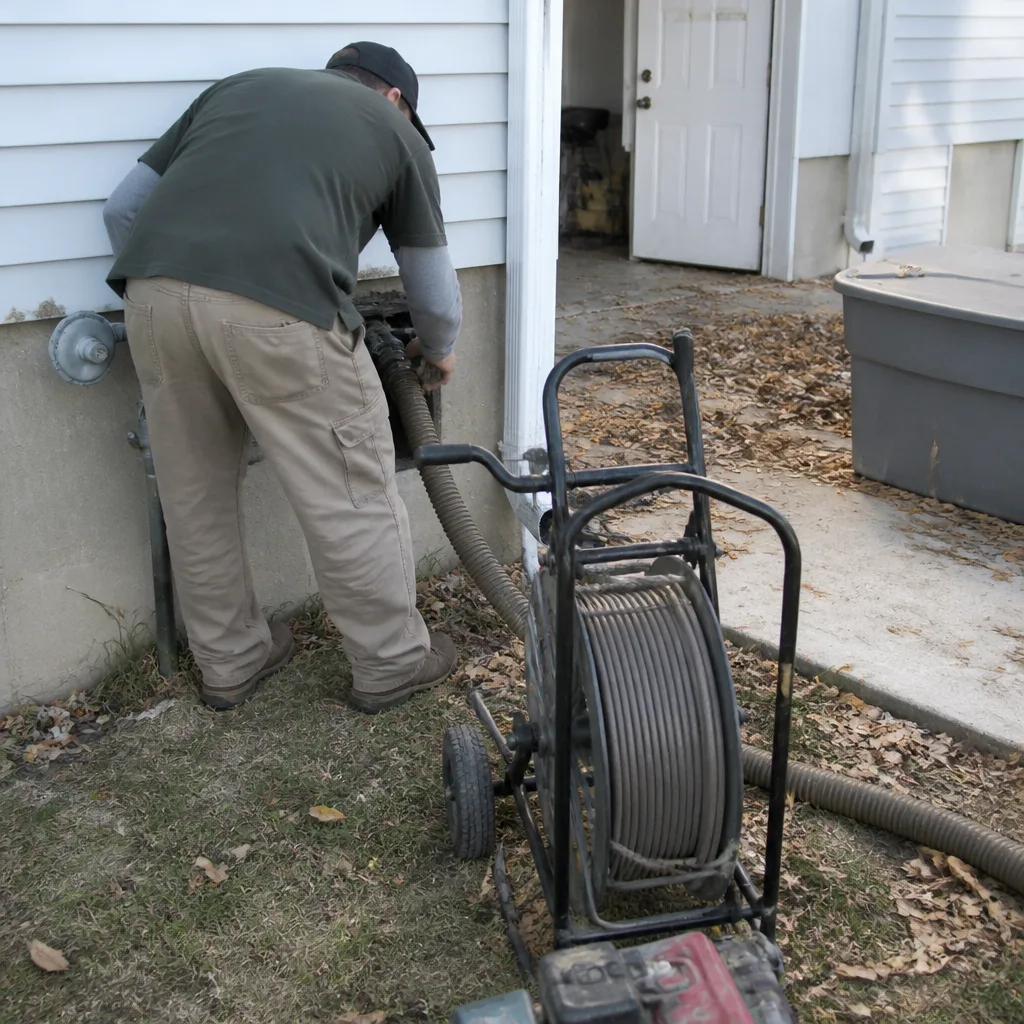 Before
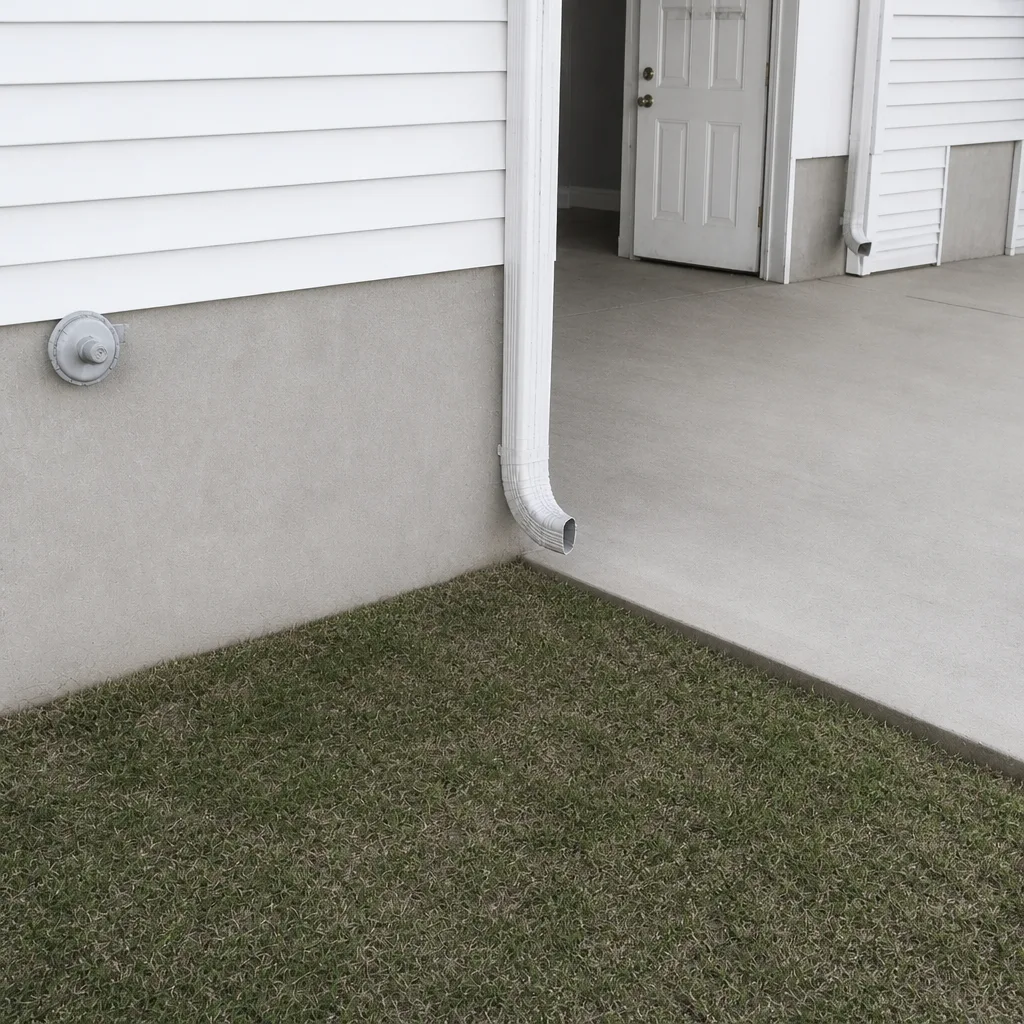 After
Frequently Asked Questions
Most Midvale homes fall in the three-to-five-year range, but that’s a starting point that adjusts based on pets, occupancy, renovation activity and how fast your filters load up. A home with pets and recent remodeling should sit at two-to-three years, while a smaller no-pet household with a properly maintained high-MERV filter can reasonably stretch to five.
Cheap quotes usually arrive with entry-level equipment that doesn’t actually dislodge the debris attached to duct surfaces, plus a short visit that doesn’t include containment during the cleaning. Professional-grade extraction like Rotobrush and Nikro, plus Abatement Technologies filtration to contain what gets dislodged, takes longer and costs more to run. We quote per system, not per vent, and we set the price in writing before the work starts so there are no surprises once the equipment is out.
You should get before-and-after photos of your own ducts, taken on the day, plus a written description of what was done. Ask for the photos upfront if you want to see them before booking. Documentation is one of the ways you distinguish a professional job from a superficial one, and we consider it standard.
The dryer vent deserves an annual cleaning, which is a stricter schedule than the ducts. That’s because lint build-up in the dryer vent is a fire-safety concern, not just a performance issue, and it accumulates in a small duct run at a faster rate than a whole-house duct system does.
Yes, in three ways. Cottonwood pollen in late spring, winter inversion smog that coincides with heavy furnace runtime, and summer wildfire smoke all add to what your return ducts pull in over the year. The seasons stack, so a home that gets hit hard in all three tends to reach the “due” line sooner than a home in a milder climate with the same household profile.
A cleaning removes debris from inside the ductwork. A sealing visit closes the leaks in the duct system so the next batch of dust gets filtered instead of drawn in through joints and disconnected runs. In our experience, a system with visible leaks is better served by doing both, because cleaning without sealing tends to shorten the interval that follows. Call (855) 337-0937 if you’d like us to look at both in the same visit.
The Bottom Line
A duct maintenance schedule that works is a schedule you actually wrote down, tied to your HVAC service visit and adjusted for the household in front of you. Start with the three-to-five-year baseline, shorten it for pets, renovation, respiratory sensitivity and heavy seasonal exposure, extend it for good filtration and airtight ductwork, and track your filter load between cleanings. Keep the dryer vent on an annual cadence because it’s a safety concern, not a comfort one. In Midvale, with its cottonwood spring, winter inversions and summer smoke, a real schedule beats a timer every time.
Call (855) 337-0937 for a free estimate and a written plan for your system. We answer 24/7. Fast dispatch from 7am to 7pm, Sunday through Friday.
Written by the team at Midvale Air Duct Cleaning.