
Last updated November 23, 2026
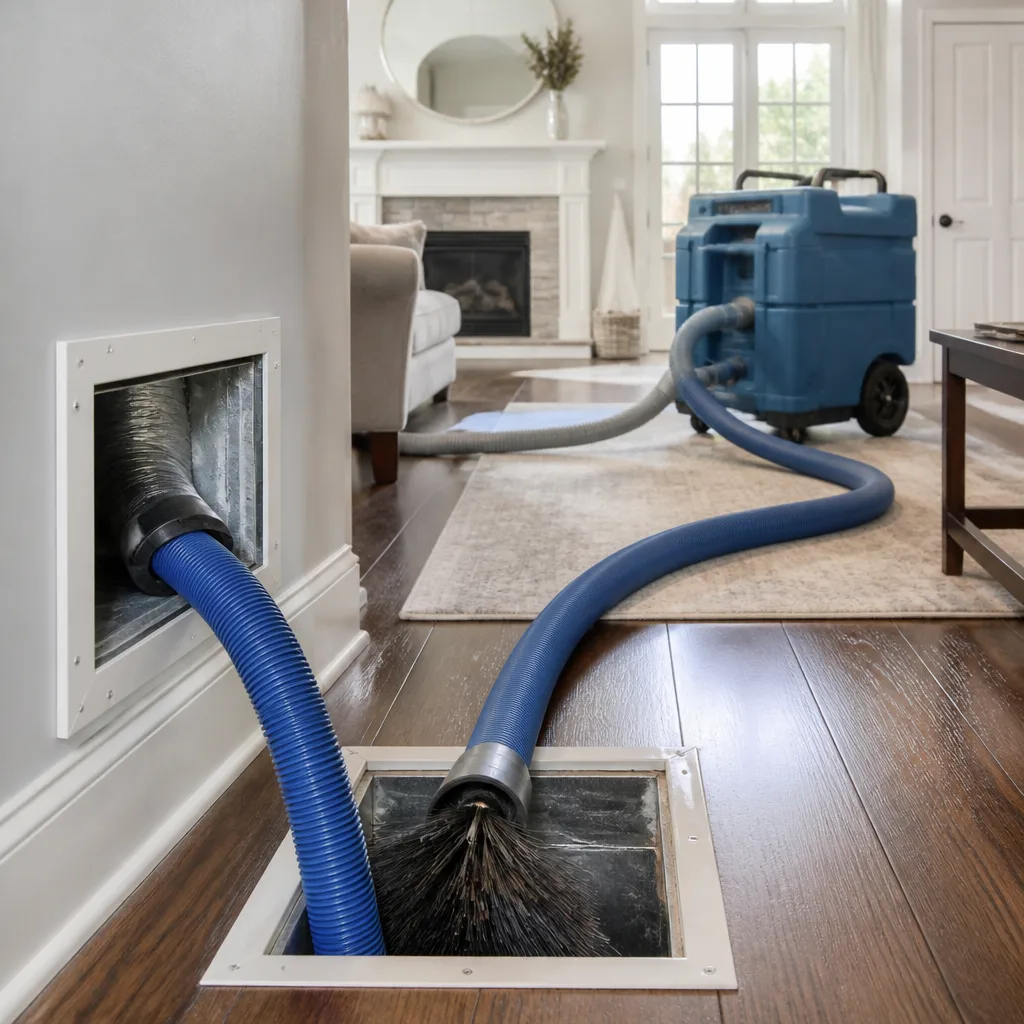 Whole-home duct cleaning
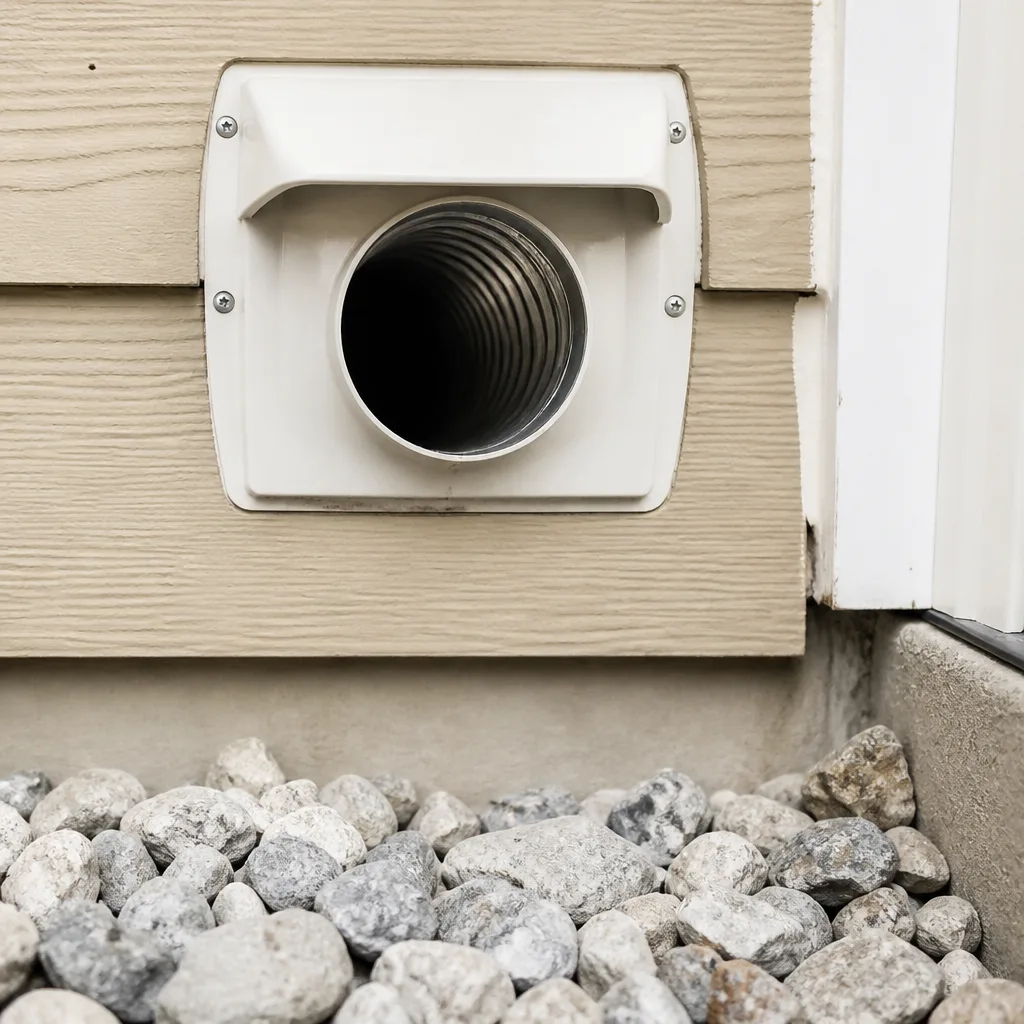 Dryer vent cleaning
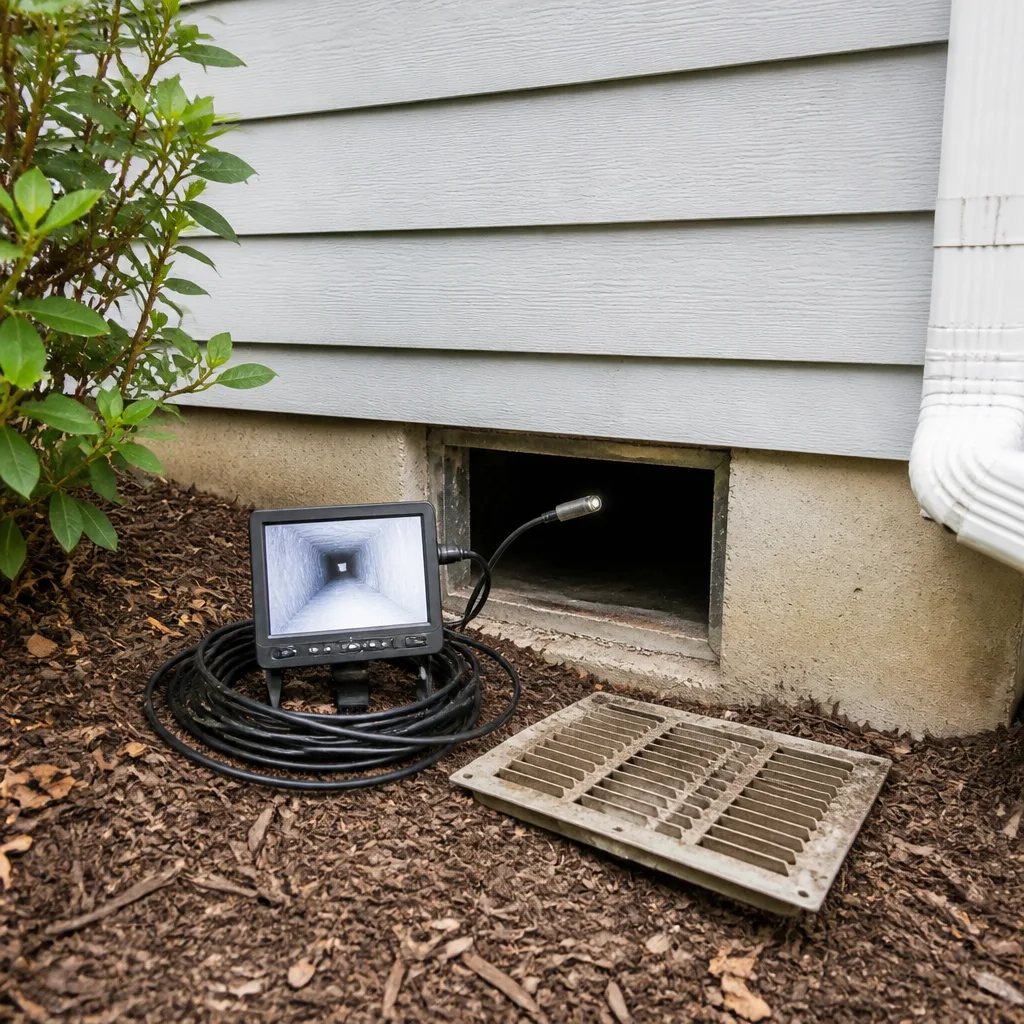 Camera inspection
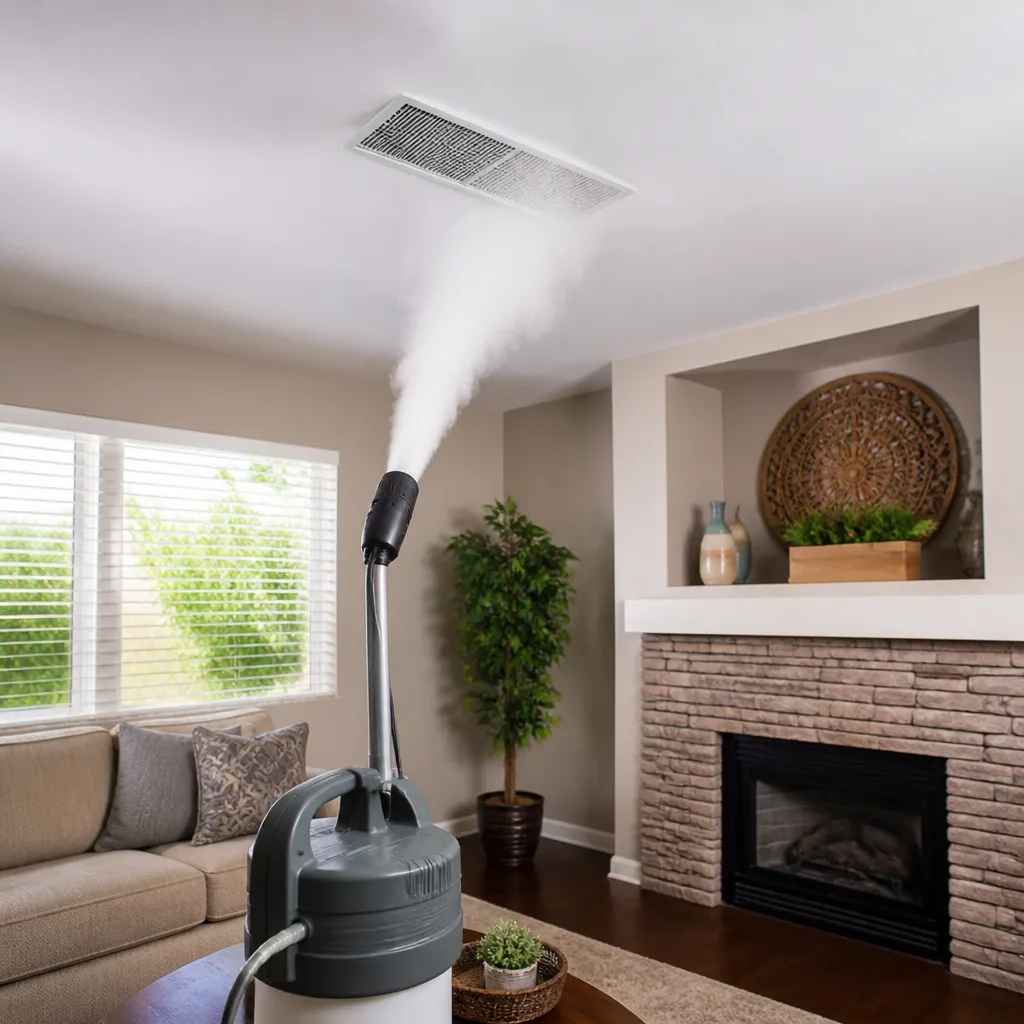 Sanitizing & deodorizing
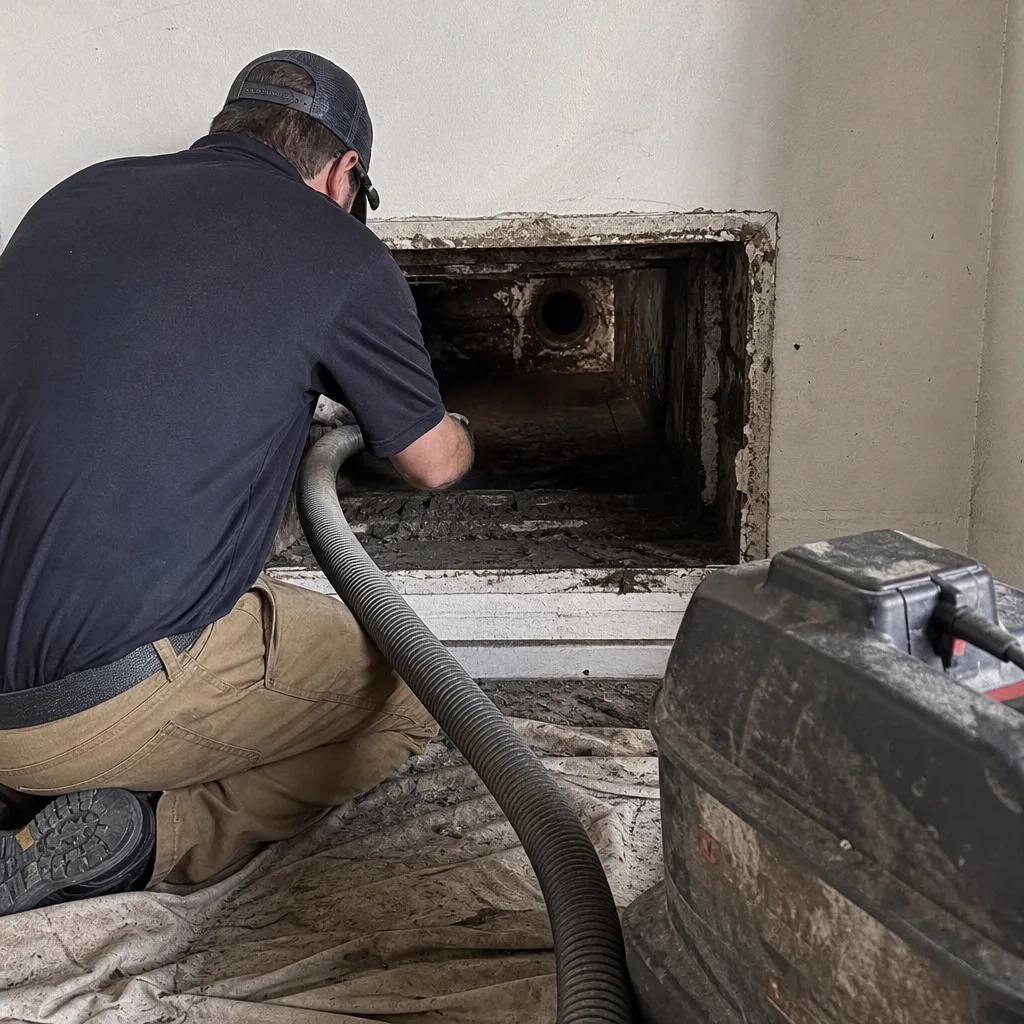
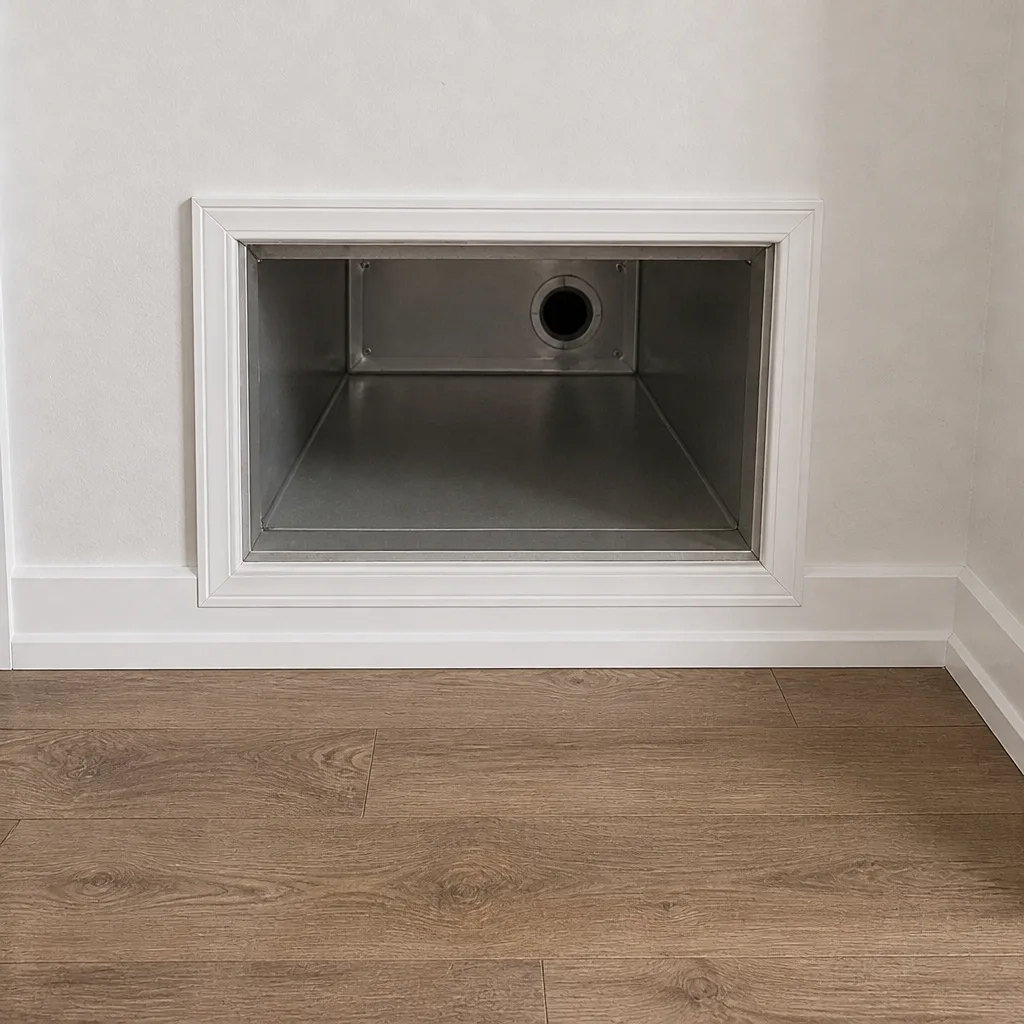
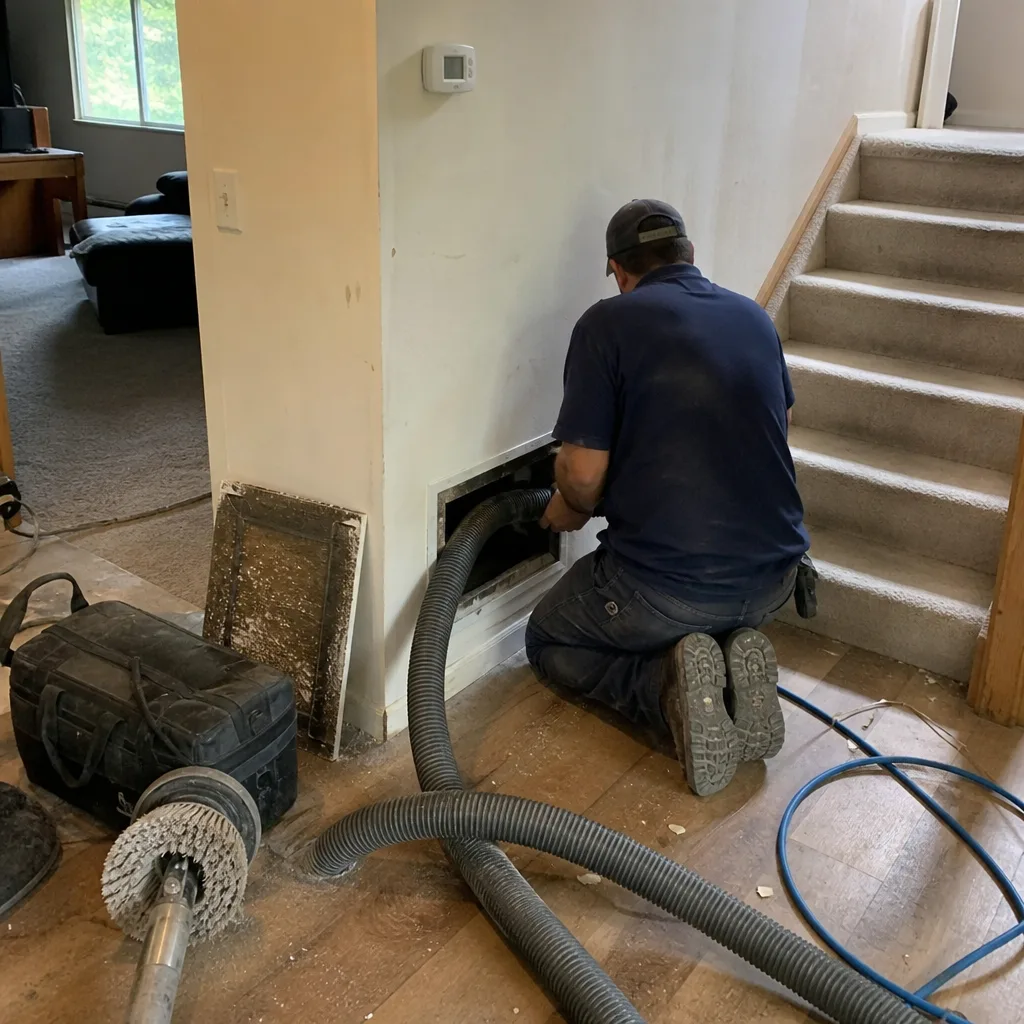
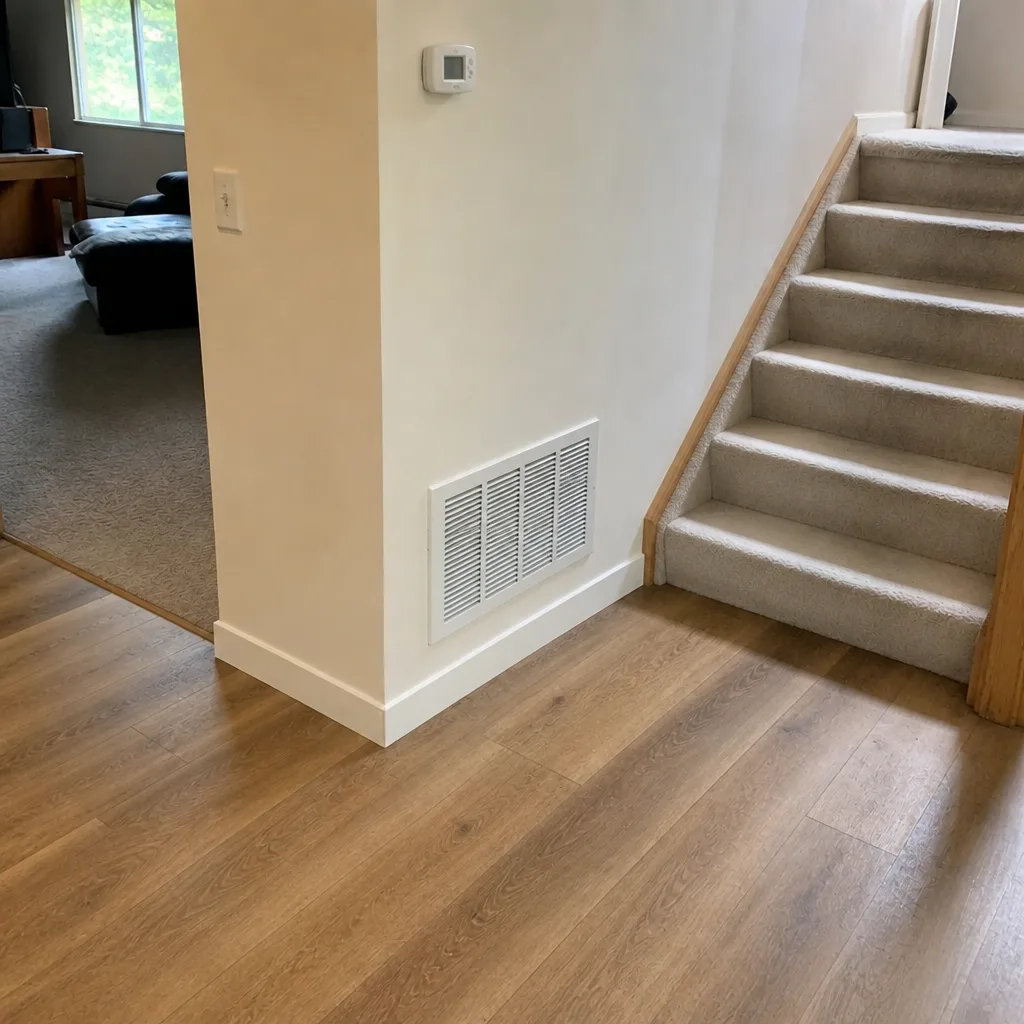
Whole-system duct and dryer vent check with before-and-after photos - you see exactly what came out of your vents
That "$99 whole-house special" is a bait ad - the real number appears once they are in your hallway, or the "clean" is a shop-vac at the register. We photograph the inside of your ducts before and after instead.
DIY vs Professional Air Duct Cleaning: The Midvale Homeowner’s Decision Guide
A brush and a shop-vac can clean the first 18 inches of your duct runs. That’s the honest truth, and it’s also where the story gets interesting: those first 18 inches are exactly where debris collects at the register, and exactly where residential tools stop being useful. The contamination load that actually affects your air and your energy bill sits deeper in the system, past the point a homeowner can reach. This guide is about that line. It covers what DIY duct cleaning in Midvale can legitimately do, what it can’t, and how to combine both approaches so you’re not paying twice for the same problem. Midvale homes have specific ductwork quirks, and we’ll get into those too.
Quick Answer
DIY air duct cleaning can handle surface-level work: vacuuming registers, wiping the accessible duct segment behind each vent, brushing out a short dryer vent run, and staying on top of filter changes. Professional cleaning is what removes the bulk contamination deeper in the system using negative pressure extraction, rotary brush equipment, and containment filtration. In Midvale, the right answer for most homeowners is both: DIY maintenance between visits, professional cleaning on a schedule that matches your home’s dust load and duct condition.
Styles & brands we work with
- Whole-home duct cleaning
- Dryer vent cleaning
- Camera inspection
- Sanitizing & deodorizing
Table of Contents
- What DIY Air Duct Cleaning Can Legitimately Accomplish
- What DIY Air Duct Cleaning Cannot Accomplish
- The Real Risks of Improper DIY Duct Cleaning
- DIY Cost vs. Professional Cleaning: A Straight Comparison
- How to Combine DIY and Professional Cleaning in Midvale
- Dryer Vent Cleaning: Where DIY Works Better Than You Think
- Why Equipment Grade Matters More Than Technique
- When It’s Time to Call a Professional
What DIY Air Duct Cleaning Can Legitimately Accomplish
DIY duct work has a real role, and it’s worth naming it clearly. Homeowners who keep up with the accessible stuff extend the useful life of a professional cleaning and put less strain on their HVAC system between visits. Here’s what you can do yourself with basic tools and a little patience:
- Register and grille cleaning. Removing supply and return grilles, washing them in the sink, and vacuuming the boot (the metal box behind each register) removes visible dust and pet hair before it gets pulled deeper into the system.
- Accessible duct segment wiping. The first stretch of duct behind each register, often the only reachable section in a Midvale home, can be wiped down with a damp cloth or a flexible brush. That segment collects the most debris because it’s closest to the room.
- Filter replacement. Changing your filter on a schedule is the single highest-value maintenance task in an HVAC system. A clogged filter starves the blower and pushes dust back through returns.
- Return air grille vacuuming. Returns pull in the bulk of household dust. Vacuuming the grille face and the visible plenum opening behind it keeps the load from building.
- Short dryer vent runs. If your dryer vent is a straight, short run you can reach from both ends, brushing it out yourself is achievable. We cover the limits of this below.
None of these tasks require specialty equipment. They require time, a shop-vac, and the discipline to do them before debris becomes a problem rather than after. That’s the legitimate DIY zone.
What DIY Air Duct Cleaning Cannot Accomplish
Here’s where the line sits. Once debris has moved past the first accessible segment, residential equipment can’t reach it, and trying harder usually makes things worse. The following tasks need professional-grade equipment and, more often than not, a trained technician’s judgment about what’s happening inside the system:
Negative pressure extraction
Professional cleaning relies on a high-powered vacuum creating negative pressure across the entire duct system. Every register is sealed, one access point is opened, and the vacuum pulls air through the system in one direction so loosened debris exits rather than recirculating into rooms. A shop-vac at one register cannot create that pressure differential. It just stirs the surface layer.
Rotary brush agitation deep in the runs
The debris that sticks to duct walls after years of operation is often adhered, not loose. It takes a rotary brush system, like the Rotobrush equipment our technicians use, to physically dislodge it before extraction. A handheld brush on a flexible rod reaches maybe two feet past the register. A rotary brush on a reel reaches 20, 30, 40 feet.
Coil cleaning and air handler access
The evaporator coil and blower wheel are where a large share of household dust and biological load accumulates. Cleaning them requires opening the air handler, and that’s work that has to be done correctly or you risk bending fins, damaging the blower, or creating a refrigerant leak. This is not a homeowner task.
Plenum access
The supply and return plenums are the large sheet-metal boxes that connect the air handler to the duct trunk. They accumulate contamination fast, and they can’t be accessed without cutting and resealing access panels. That’s a professional job, and in older Midvale homes with rigid metal ductwork, it’s often where the worst of the debris lives.
Sealed-system contamination removal
If your ducts are sealed, as most modern systems are, the contamination behind the seals cannot be reached at all from the register side. Only a technician who can safely open the system can clean it.
The Real Risks of Improper DIY Duct Cleaning
We’re not going to tell you DIY duct cleaning is dangerous. That’s not accurate. Most of it is tedious, not hazardous. But there are specific ways it goes wrong, and knowing them helps you avoid doing damage while you’re trying to help.
Dislodging debris into the air handler
When you brush or vacuum a duct from the register side without negative pressure behind you, loose debris has nowhere to go but downstream. That means it lands on the evaporator coil, the blower wheel, or the secondary heat exchanger. A coil that was clean a month ago can end up matted with dust because DIY work pushed contamination forward instead of removing it. Cleaning a coil afterward costs more than the duct cleaning would have.
Damaging flex duct insulation
Many Midvale homes, especially those built or remodeled in the last 30 years, have flex duct in at least part of the system. Flex duct is lined with a thin inner layer and wrapped with insulation. A brush pushed too hard, or a shop-vac nozzle pressed against the lining, can tear the inner layer. Once it’s torn, the duct will leak air and shed fibers into the supply stream until it’s replaced. Flex duct is easy to damage with a homeowner tool and easy to clean properly with the right equipment.
Breaking dampers
Volume dampers are the adjustable metal flaps inside ductwork that balance airflow to different rooms. They’re often in hard-to-see spots, and a brush or vacuum nozzle that catches one the wrong way can bend it or knock it out of position. That unbalances your system’s airflow, and fixing it usually means opening the duct. Older Midvale homes with original dampers are especially easy to throw off.
Dryer vent damage you can’t see
Dryer vent cleaning has real safety value, which we’ll get to below. But a homeowner rod that kinks a semi-rigid vent, or that pushes past a crushed section without noticing, can create the same lint buildup it was meant to remove, in a spot you can’t inspect. If your dryer vent has bends, transitions, or a long run through an exterior wall, that’s a case for professional equipment.
DIY Cost vs. Professional Cleaning: A Straight Comparison
The cost question is rarely about the dollar amount of a single cleaning. It’s about the total cost of keeping a duct system in good condition across years. Professional cleaning isn’t inexpensive, and doing it every year when your system doesn’t need it is wasted money. Doing it never is worse.
Here’s how the two approaches compare across the costs that actually matter in a Midvale home:
| Cost Category | DIY Approach | Professional Approach |
|---|---|---|
| Equipment | Shop-vac, brush kit, cloth, filter cost | Included in service price |
| Time per session | 2-4 hours (register-by-register) | 2-4 hours (whole system, one visit) |
| What gets cleaned | First 18 inches of each run, grilles, visible plenum surfaces | Full run length, plenums, air handler coil, blower, all registers |
| How often needed | Every 4-8 weeks for the accessible sections | Every 3-5 years for most Midvale homes, more often if you have pets, allergies, or recent remodeling |
| Cost of going without professional service | Debris builds in inaccessible runs, blower strain increases, filter changes come more often | Not a concern when the schedule is right |
| Cost of doing professional cleaning too often | Not applicable | An unnecessary expense if your system doesn’t need it |
The honest conclusion: DIY saves real money on the accessible work, and professionals handle the inaccessible work at a frequency most Midvale homes can plan around. Doing only DIY means paying the consequence in reduced HVAC efficiency and air quality. Doing only professional cleaning without the DIY maintenance in between means the deep cleaning starts from a worse baseline each time.
When you’re ready for a professional visit, we recommend asking for a written estimate per system, not per vent. Per-vent pricing is the industry’s classic bait-and-switch structure. One flat price for the whole system, agreed before work starts, is how a cleaning should be quoted. Every written estimate we issue works this way.
How to Combine DIY and Professional Cleaning in Midvale
This is the section we wish more homeowners got to earlier. The strongest way to protect your duct system and your budget is a two-track approach: DIY for maintenance, professional for the deep work, each reinforcing the other. Here’s a schedule that works well for most Midvale homes:
- Month 1: Professional whole-system cleaning. This is your baseline. Get the full system cleaned, including the plenums, air handler coil, and every register run. While the technician is on-site, ask for before-and-after photos of your ducts so you can see what was actually removed. We provide these on every job.
- Month 1, same visit: duct repair and sealing inspection. A good cleaning visit is also the right moment to check for leaks, disconnected runs, and damaged flex duct. Duct repair and sealing done alongside cleaning means you’re not re-cleaning a system that’s still losing air from an unsealed joint.
- Every 4-8 weeks: DIY register cleaning. Pull the grilles, wash them, and vacuum the boot and first foot of the run. This keeps the visible sections in good shape and slows the return of debris.
- Every 1-3 months: filter replacement. Match the interval to your filter’s MERV rating and your household. Homes with pets or a smoker need more frequent changes. We stock and install Honeywell and Aprilaire filtration products if you’re considering an upgrade to higher-efficiency filtration.
- Every 6 months: dryer vent DIY check. Pull the dryer out, disconnect the vent, and check for lint accumulation at the back of the dryer and the outside termination. If you see buildup inside the run itself, schedule a professional dryer vent cleaning.
- Every 3-5 years: next professional cleaning. Adjust this based on your home. Larger homes with pets, recent remodeling, or family members with allergies may need professional cleaning every 2-3 years. Smaller homes with few occupants may comfortably go longer.
The two tracks aren’t competing. The DIY track preserves the investment of the professional visit. The professional visit resets the system to a state that DIY maintenance can then protect.
Dryer Vent Cleaning: Where DIY Works Better Than You Think
Dryer vent cleaning is worth treating separately because it’s a safety topic, not just an efficiency one. Lint accumulation in dryer vents is a leading cause of residential fires, and that risk doesn’t wait for a professional cleaning schedule. Homeowners who keep up with basic dryer vent maintenance considerably reduce that risk.
What you can do yourself
- Clean the lint trap before every load. This is the highest-value step and takes five seconds.
- Inspect the outside vent termination every few months for lint or a stuck flap.
- Disconnect the vent from the back of the dryer periodically and vacuum out the first foot or two of the run, which is the most accessible segment and typically where lint starts to accumulate.
- If your dryer vent is a short, straight run (under about 8 feet, no elbows), a flexible brush on a drill is achievable for a homeowner.
When you need professional dryer vent cleaning
The longer and more complex the run, the less a homeowner rod can accomplish. Dryer vents in Midvale homes often run through exterior walls or up through the roof, and those installations have transitions, elbows, and length that require proper rotary equipment and inspection. If your dryer feels hot to the touch during a cycle, if clothes take longer than usual to dry, or if you’re not sure when the vent was last cleaned, it’s time for a professional visit. Our dryer vent cleaning uses the same commercial-grade extraction equipment we use on duct systems.
Why Equipment Grade Matters More Than Technique
One thing we’ve learned across a lot of Midvale duct cleanings: technique matters, but equipment is what makes technique useful. You can be very careful with a shop-vac and still move debris around rather than removing it. The same care with a rotary brush and a high-powered extraction unit produces a different result.
The extraction side
Professional duct cleaning uses truck-mounted or high-CFM portable vacuum systems (we run Nikro and Rotobrush equipment) that create negative pressure across the system. Every register is sealed, a single vacuum connection is opened, and the entire system pulls air in one direction. Debris that’s loosened by a rotary brush gets pulled out, not pushed into rooms.
The containment side
Loosened debris doesn’t disappear the moment it’s dislodged. It becomes airborne, and if it’s not contained it ends up redistributing through your home during the cleaning itself. That’s why we deploy Abatement Technologies air filtration equipment during every job. The filtration units pull airborne particulates into HEPA filtration while we work, so the cleaning doesn’t just move the problem from the ducts into the air you’re breathing. Contain it, don’t redistribute it.
Neither of these pieces of equipment fits in a homeowner’s toolkit, and neither is something a shop-vac setup can approximate. This is where the professional cost has to be weighed: you’re not paying for someone to do a nicer job of the same task. You’re paying for a different task.
When to Call a Professional
Most Midvale homes fit the 3-5 year professional cleaning schedule, but a handful of specific situations should speed that up. Call a professional right away if:
- You see visible dust or debris puffing out of supply registers when the system starts.
- You’ve recently remodeled; construction dust travels through ductwork fast and settles deep in the system.
- You have a new baby, an asthmatic family member, or someone with allergies, and the indoor air quality matters more than it used to.
- Your filter is loading up within weeks instead of months, which usually signals an accumulation somewhere deeper in the system.
- You notice uneven airflow between rooms, which often points to a damper problem, disconnected flex run, or an accumulation blocking one branch.
- You smell a musty or stale odor when the HVAC system runs, which needs proper evaluation, not a spray can.
- You can’t remember the last time your dryer vent was cleaned, or your clothes take more than one cycle to dry.
Midvale Air Duct Cleaning offers free estimates in Midvale. Call (855) 337-0937. We answer 24/7. Fast dispatch from 7am to 7pm, Sunday through Friday. Every estimate is one flat price per system, agreed before work starts, and you’ll receive before-and-after photos of your own ducts so you can see exactly what was removed. If you’re weighing air duct cleaning alongside dryer vent cleaning or HVAC cleaning, one visit can cover all of it.
See the difference
 Before
 After
 Before
 After
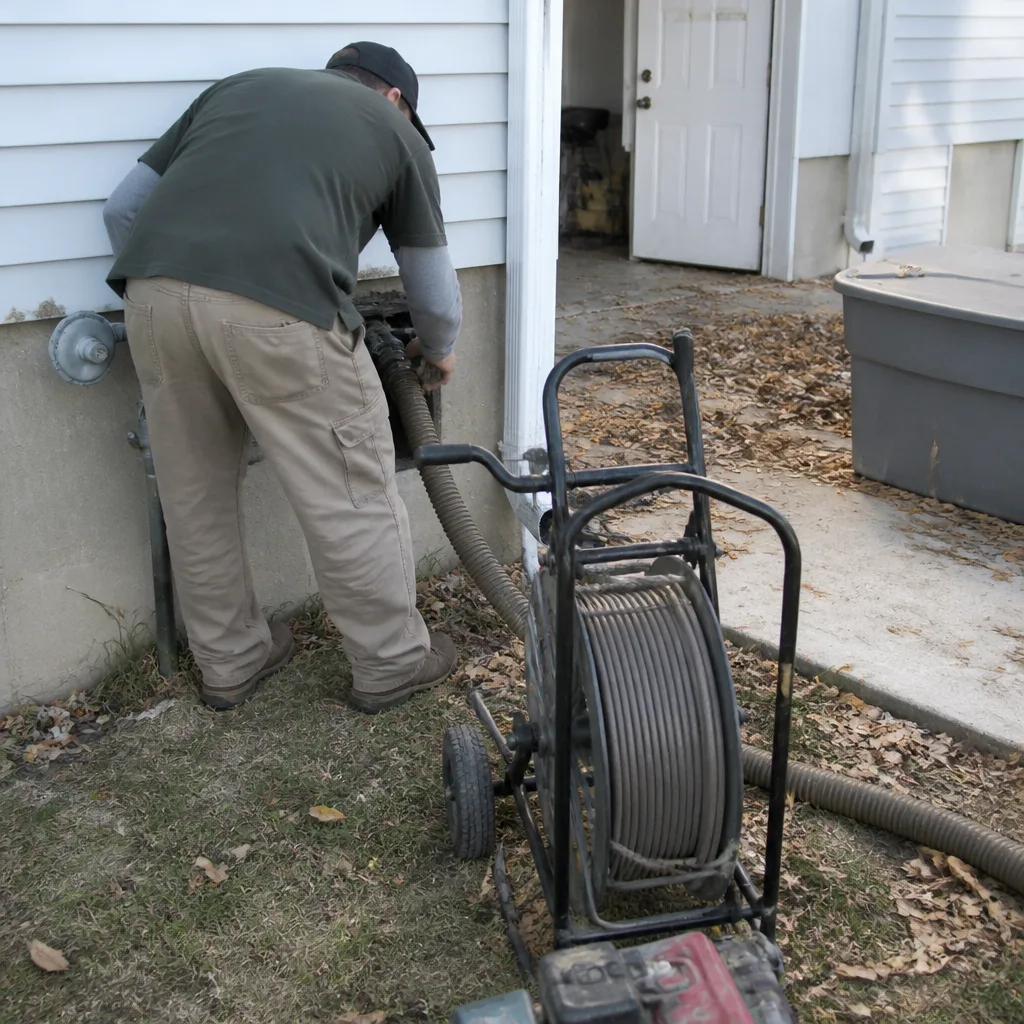 Before
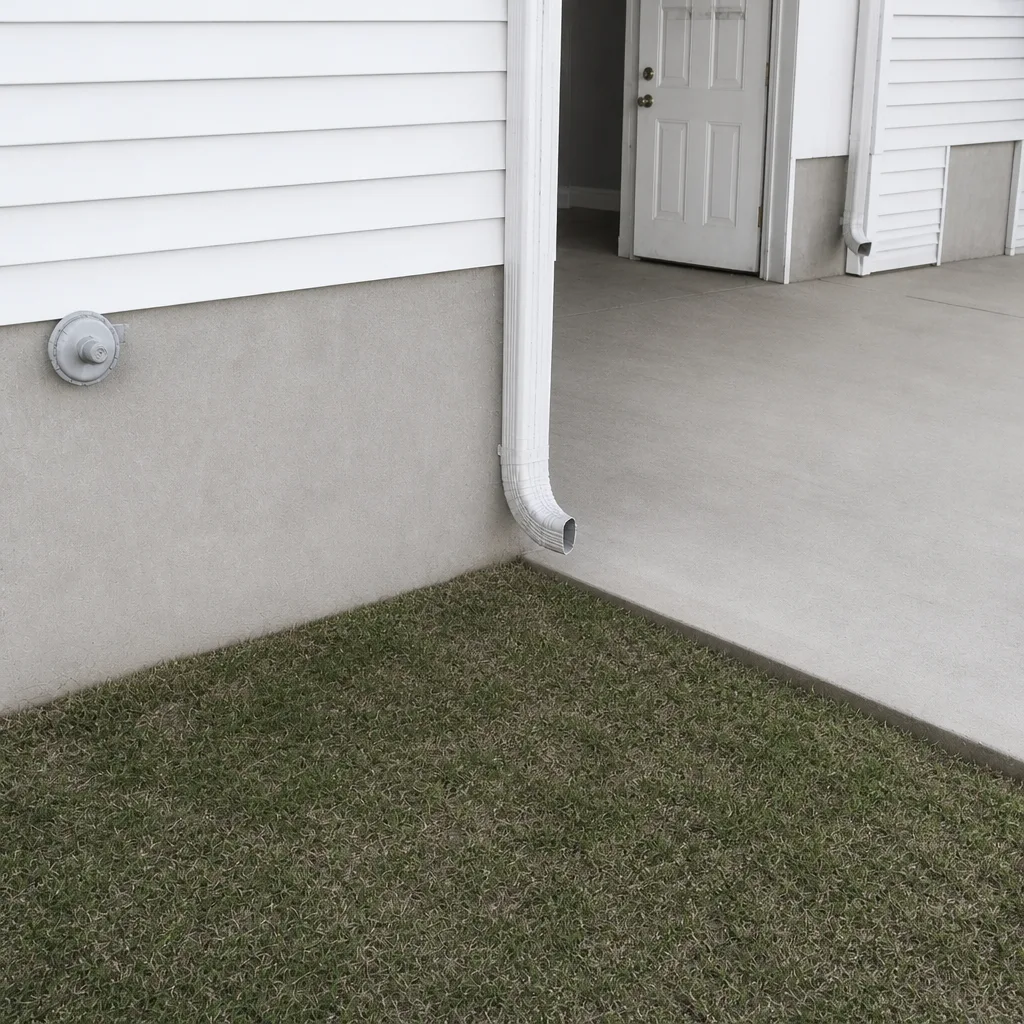 After
Common Mistakes to Avoid
- Treating a shop-vac as a substitute for extraction. A shop-vac at the register pulls surface dust; it can’t create the negative pressure needed to remove what’s stuck to the walls deeper in the run. Use it for the accessible segment, then let a professional handle the rest.
- Brushing without vacuum support. Loosening debris without a sealed vacuum behind it just moves the contamination downstream toward the coil. If you’re going to brush a run, have the vacuum running at the other end, or don’t brush.
- Assuming flex duct is DIY-safe. The inner lining of flex duct tears easily with an aggressive brush or a pressed shop-vac nozzle. In Midvale homes built or remodeled in the last 30 years, flex duct is common, and it deserves careful handling. If your ductwork is mostly flex, leave the deep work to a professional.
- Skipping the plenums and air handler. Homeowners who vacuum their registers every few weeks and never look at the plenums miss where most contamination accumulates. The registers are the visible part of the system, not the worst part.
- Cleaning on a schedule someone else set. A home with three pets, a remodeling project, and an asthmatic family member doesn’t follow the same schedule as a two-person household with no pets. Adjust the schedule to your home, not to a generic every-year or every-five-year rule.
- Ignoring dryer vent maintenance because it seems small. Dryer vents are the one component of home ventilation with a direct fire safety link. If you only do one DIY task in your HVAC-adjacent systems, make it the lint trap and the outside termination check.
- Choosing a cleaner by coupon price without asking about equipment. Ask whether the crew uses rotary brush systems and containment filtration. If a low quote doesn’t include those, the savings will show up as a cleaning that skimmed the surface.
The Bottom Line
DIY duct cleaning has a real role in Midvale homes, and it’s not a compromised version of professional cleaning. It’s the maintenance layer that keeps a professionally cleaned system working well between visits. What DIY can’t do is remove the bulk contamination deeper in the system, and it can cause problems if it’s applied to flex duct or brushed without proper vacuum support. The best approach for most Midvale homeowners is a two-track system: professional whole-system cleaning on a 3-5 year cadence, plus ongoing DIY maintenance on registers, filters, and the accessible segments. If you want that baseline established properly, we’re happy to help.
Frequently Asked Questions
Yes, within limits. Cleaning your registers, wiping the first 18 inches of duct behind each register, changing filters, and brushing out a short, straight dryer vent are tasks you can do yourself, and doing them slows the buildup that leads to professional cleaning. What you can’t do is remove contamination deeper in the system, and attempting to brush those runs without proper vacuum support usually pushes debris into the air handler.
Most Midvale homes do well on a three-to-five-year cycle, with adjustments for pets, recent remodeling, allergies, or a smoker in the home. Homes with more than two pets, or homes that have recently had significant remodeling work, should consider professional cleaning every two to three years. If you’re not sure where your system sits, call (855) 337-0937 for a free estimate; we’ll give you a straight answer based on what’s actually there. We answer 24/7. Fast dispatch from 7am to 7pm, Sunday through Friday.
It can, and the two most common ways are pushing debris onto the evaporator coil and tearing the inner lining of flex duct. Dampers also get bent by brush rods that catch on them wrong. None of these are typical if you stick to the accessible segments, but pushing deeper is where the risks cluster. If your ductwork has substantial flex runs, keep the deep work professional.
The equipment difference is the main reason. A low quote often reflects a crew using shop-vac-grade equipment with no containment filtration, which means the work reaches the first accessible section and not much further. A quote that reflects rotary brush extraction, high-CFM vacuum systems, and HEPA containment costs more because the equipment costs more. Ask what equipment will be used before you accept any quote. The other trap is per-vent pricing, which can grow fast once the technician is inside. We quote one flat price per system, agreed before work starts.
Yes, and it’s the approach we recommend. Have a professional clean the full system first, including plenums, air handler coil, and all runs. Then handle the register cleaning, filter replacement, and dryer vent checks yourself between visits. This distributes the expensive deep work across a longer schedule and keeps the accessible parts clean so the next professional visit starts from a better baseline.
Ask for before-and-after photos of your own ducts. Every job we perform includes these. Photos taken inside the runs before and after cleaning show exactly what was removed and what the system looks like when the work is complete. If a cleaner won’t provide photos, that’s a signal worth paying attention to. Call (855) 337-0937 for a free estimate, and we’ll walk you through how the visit works.
Midvale Air Duct Cleaning handles air duct cleaning, dryer vent cleaning, HVAC cleaning, duct repair and sealing, and air quality and sanitizing as an integrated whole-system service (see Midvale Air Duct Cleaning for the full picture). Our technicians have up to 13 years of experience, and the local professional we connect you with is licensed and insured as their state requires. We use Rotobrush and Nikro extraction systems and Abatement Technologies air filtration equipment on every job, and we work with Honeywell and Aprilaire IAQ products when air quality upgrades make sense. One flat price per system, agreed before work starts, with before-and-after photos of your own ducts when we’re done. Call (855) 337-0937. We answer 24/7. Fast dispatch from 7am to 7pm, Sunday through Friday.
Written by the team at Midvale Air Duct Cleaning.