
Last updated November 23, 2026
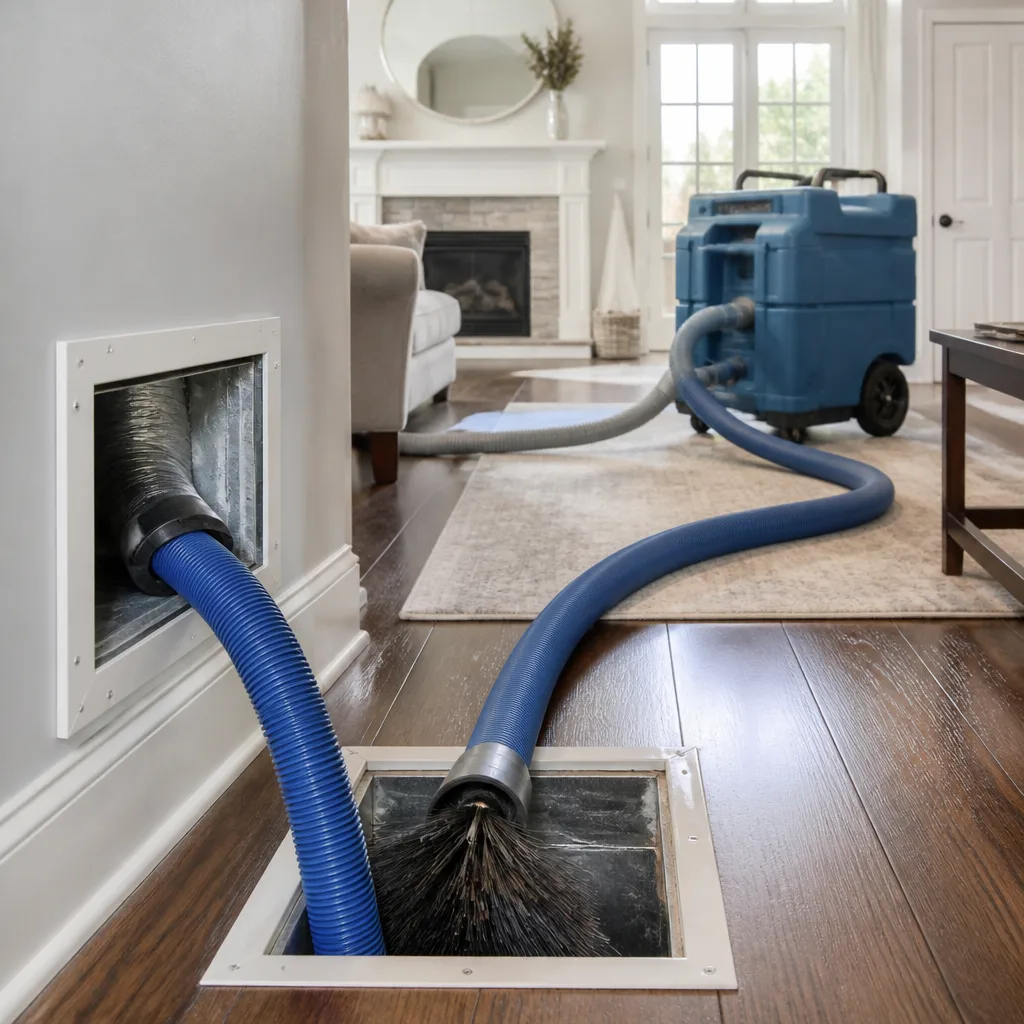 Whole-home duct cleaning
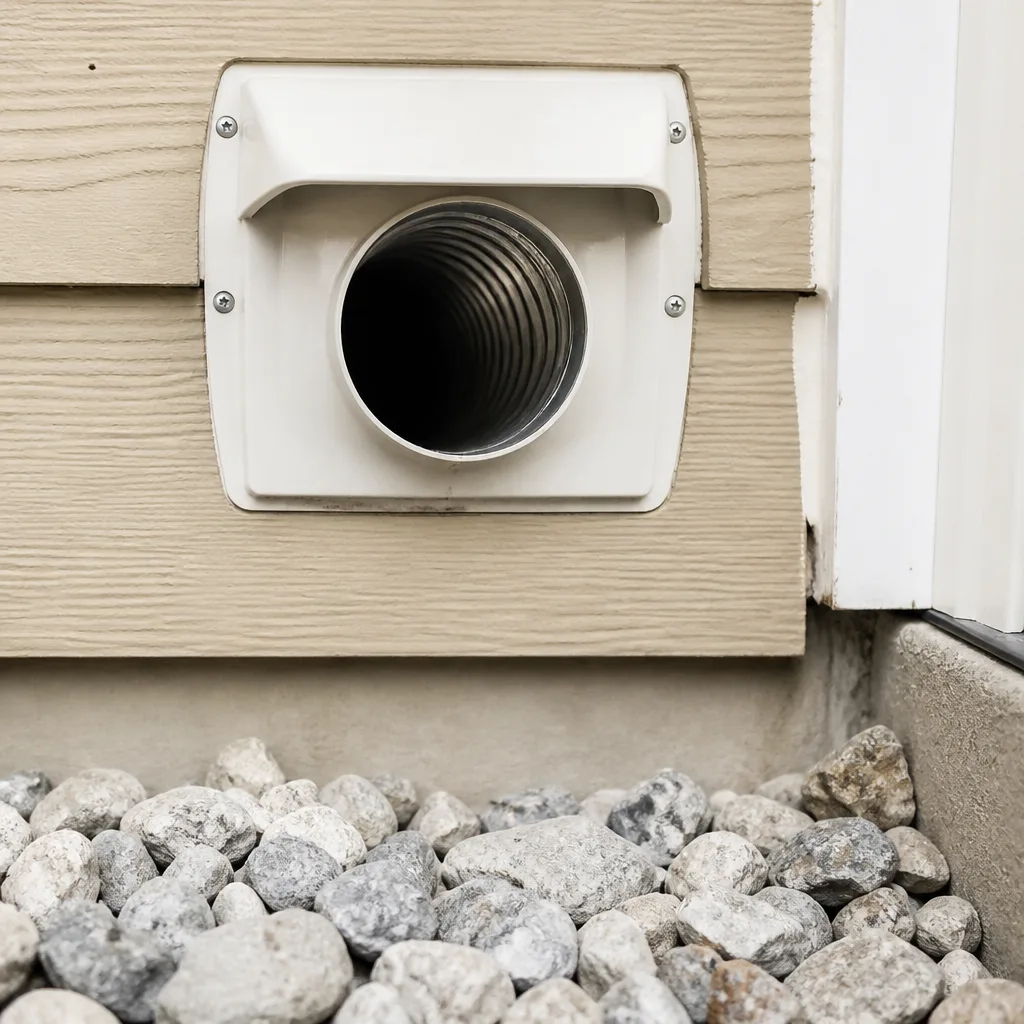 Dryer vent cleaning
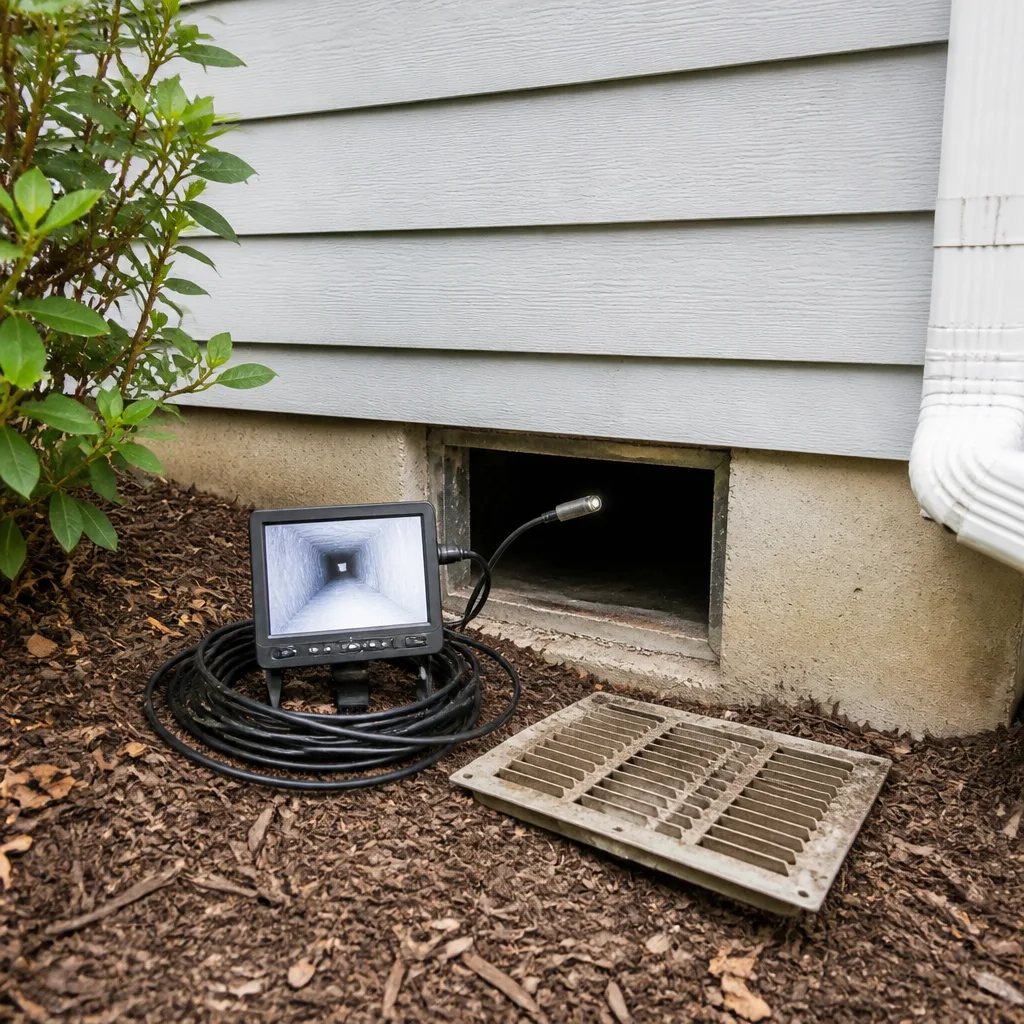 Camera inspection
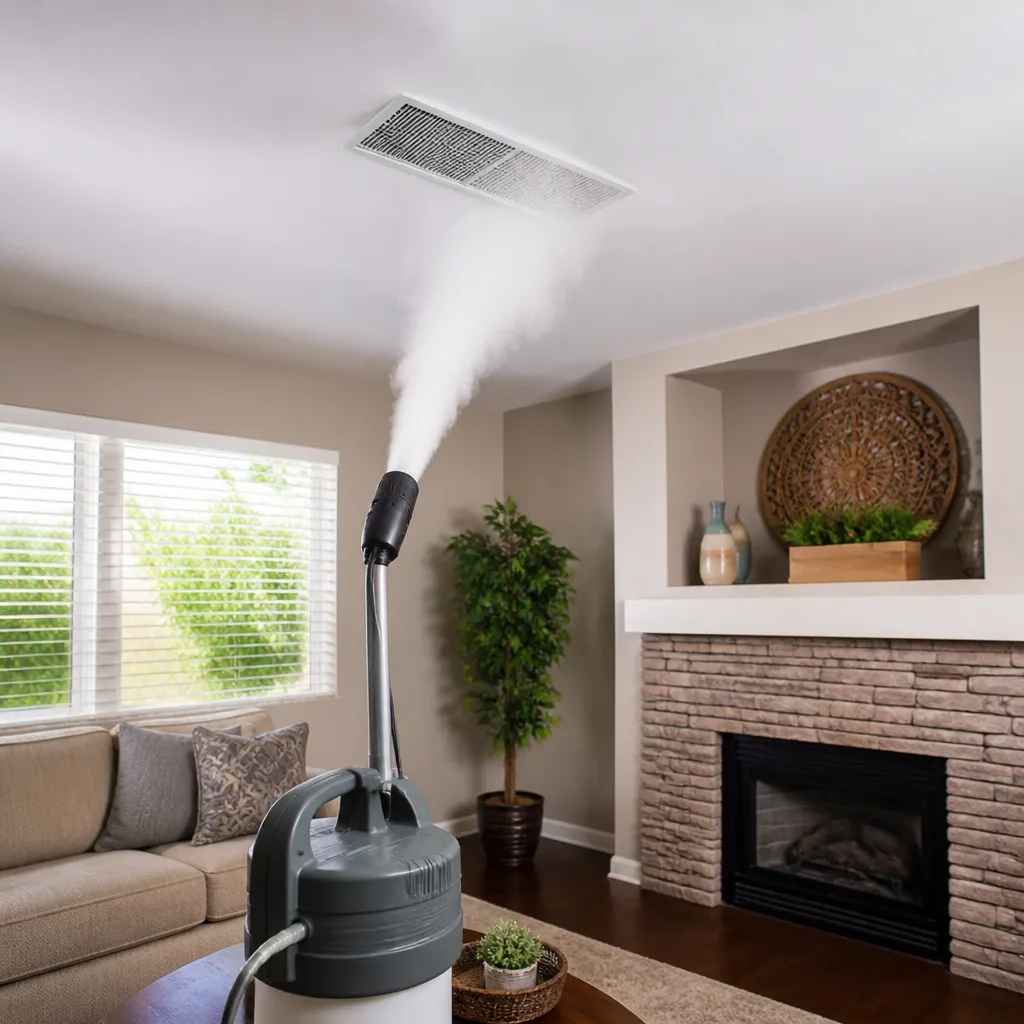 Sanitizing & deodorizing
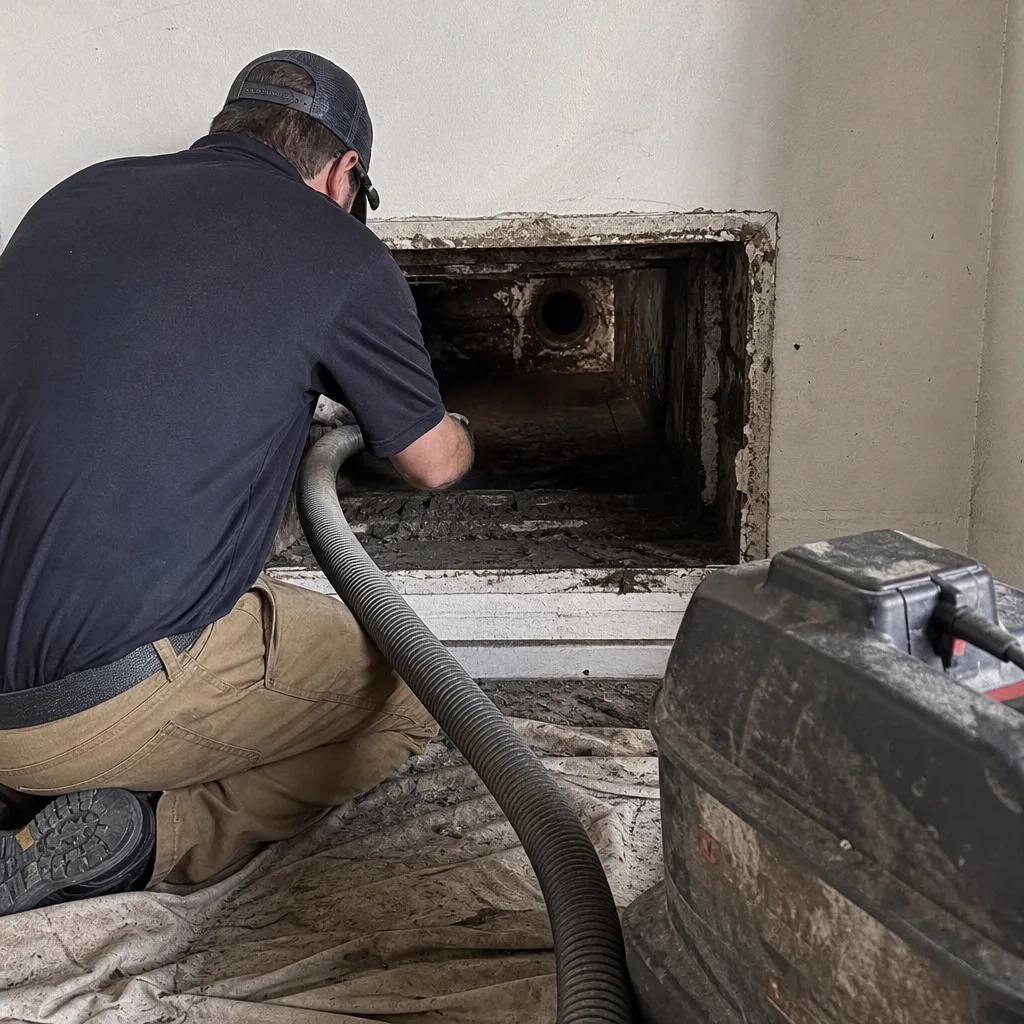
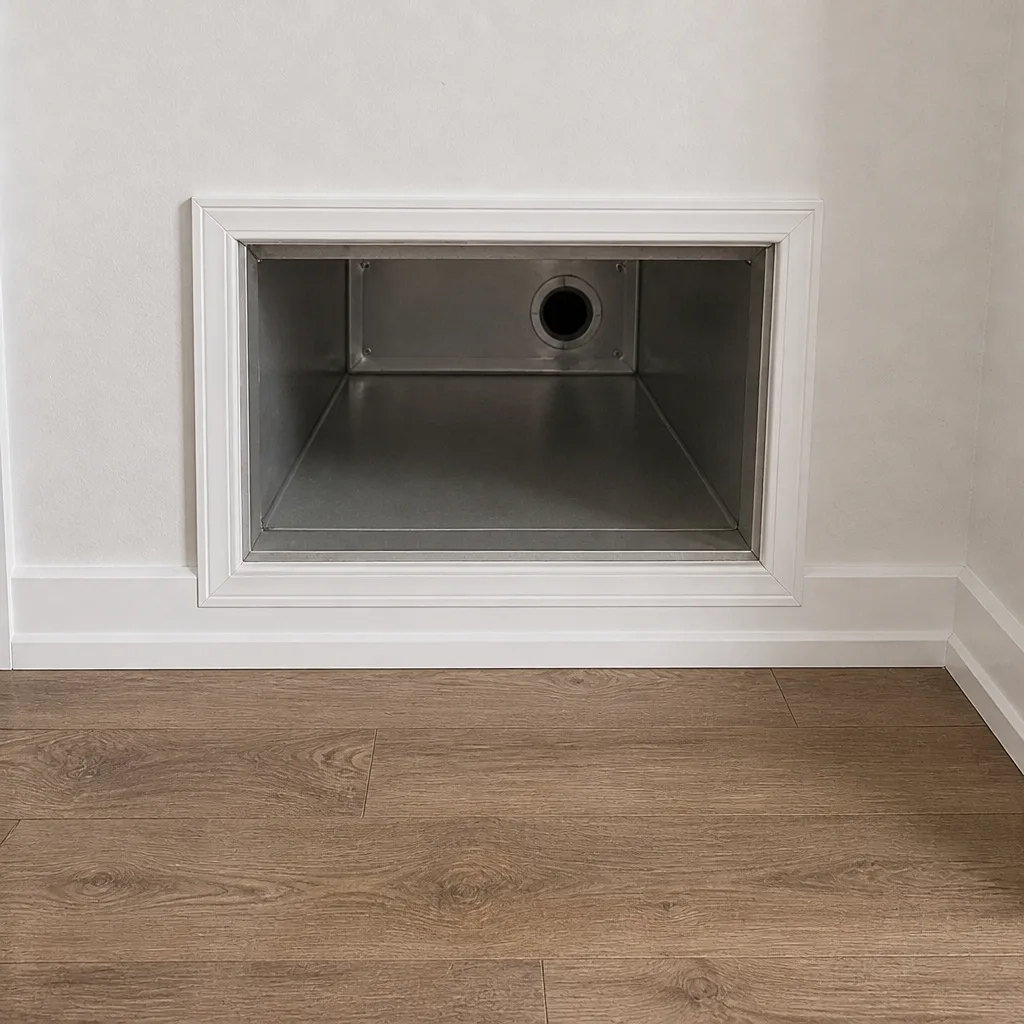
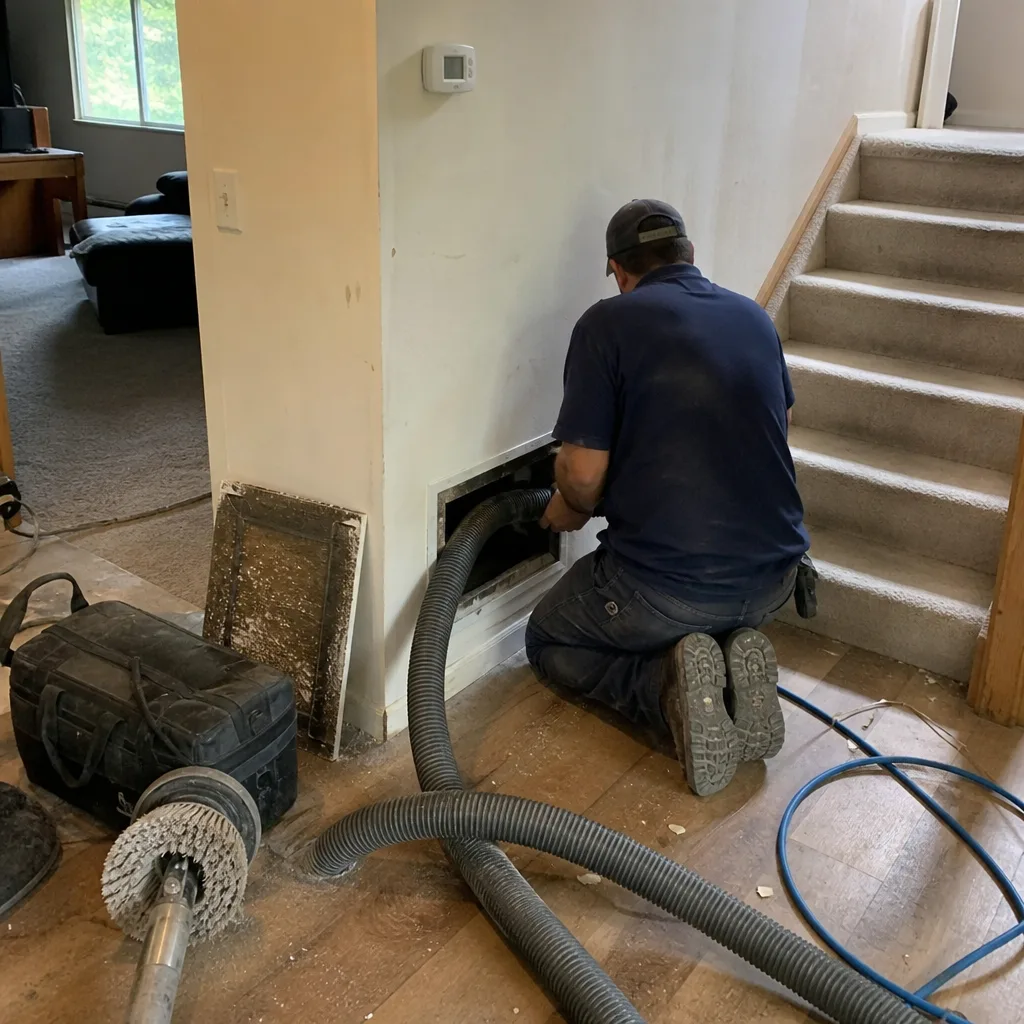
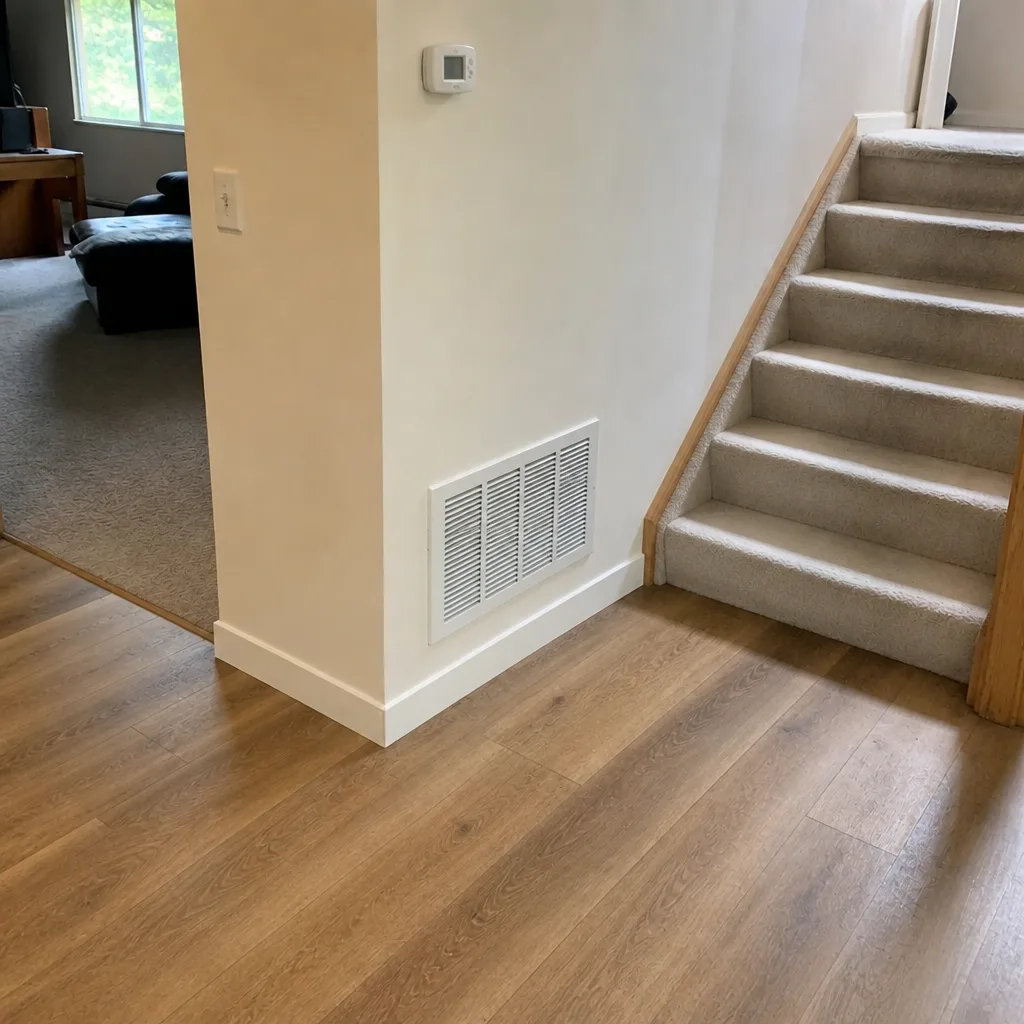
Whole-system duct and dryer vent check with before-and-after photos - you see exactly what came out of your vents
That "$99 whole-house special" is a bait ad - the real number appears once they are in your hallway, or the "clean" is a shop-vac at the register. We photograph the inside of your ducts before and after instead.
How to Hire an Air Duct Cleaning Contractor in Midvale: A Step-by-Step Guide
The most common duct cleaning scam here doesn’t look like a scam at first. It looks like a bargain: a whole-house offer so low it barely covers fuel, then a technician on site who “finds a problem” and hands over an invoice several times the original figure for work nobody can verify was needed. Here’s the part most homeowners miss – the gap between a legitimate contractor and a bad one in Midvale is not visible in the price. It’s visible only in the questions you ask before anyone touches your system. This guide gives you those questions, plus the equipment checks, estimate requirements, and red flags that separate a real process from a sales pitch. By the end you’ll know exactly how to vet any contractor who knocks on your door.
Styles & brands we work with
- Whole-home duct cleaning
- Dryer vent cleaning
- Camera inspection
- Sanitizing & deodorizing
Quick Answer
To hire an air duct cleaning contractor in Midvale, verify the company’s NADCA certification number at nadca.com before booking, ask them to describe their vacuum and containment equipment in plain terms, and demand a written estimate that names access point locations, vent counts, system type, and exact scope of work. Then watch the job itself for documentation – camera photos of your ducts before and after – and avoid anyone who upsells mold treatment without air sampling first. Legitimate contractors welcome all of it.
Table of Contents
- Why Vetting a Duct Cleaner Matters More Than the Quote
- Step 1: Verify Credentials Before You Book
- Step 2: Audit the Equipment
- Step 3: Read the Written Estimate Line by Line
- Step 4: Watch for Red Flags During the Job
- Step 5: Understand the Post-Service Report
- What’s Different About Duct Work in Midvale
- How Often Ducts Actually Need Cleaning
- Common Mistakes to Avoid
- When to Call a Professional
- Frequently Asked Questions
- The Bottom Line
Why Vetting a Duct Cleaner Matters More Than the Quote
Duct cleaning has almost no barrier to entry. A vacuum, a ladder, and a business license are enough to put a truck on the road in most places, and Utah’s contractor rules treat the work lightly compared with electrical or plumbing. That’s not a knock on the trade – it’s just the reality you’re shopping inside. If you’re a homeowner in Midvale weighing three quotes, the cheapest one is often the least regulated one.
Here’s what that means in practice. The company with the lowest number is betting you’ll judge on price alone. The company with a real process is betting you’ll ask questions. When you ask those questions, the difference shows up fast:
- Certification: A trained contractor can give you a NADCA certification number without flinching. A bait-and-switch operator usually can’t.
- Equipment description: A real contractor names their vacuum and containment gear – Rotobrush, Nikro, Abatement Technologies – because they own it and use it daily.
- Estimate detail: A written scope takes time to prepare. Scam operators skip it because the price is meant to move once they’re inside.
- Documentation habit: Before-and-after photos are standard practice for anyone doing this seriously. Anyone who resists that habit is telling you something.
You don’t need to become a duct cleaning expert to protect yourself. You need maybe fifteen minutes and the right five questions. Everything in this guide gets you there.
Step 1: Verify Credentials Before You Book
The first step happens on the phone or over email, before anyone comes to your house. You’re looking for three things: whether the company is a legitimate registered business, whether they have NADCA training, and whether the person answering questions speaks like a technician or a telemarketer.
NADCA stands for the National Air Duct Cleaners Association. It’s the trade body that writes the assessment, cleaning, and restoration standard most serious contractors work from. Certification is voluntary, which is exactly why it matters – a company that bothered to get it is signaling that they take the work seriously. Ask for the certification number, then verify it yourself at nadca.com. Don’t take the number on faith. The lookup takes about a minute.
Beyond certification, ask:
- What’s your business name and physical address? A P.O. box alone is a warning sign.
- Are you insured and bonded? Ask them to send a certificate of insurance.
- Will any part of the work be subcontracted, and if so which part?
- How many technicians will be on site, and roughly how long will the job take?
- What does the technician do first when they arrive – assessment, walkthrough, something else?
A legitimate contractor answers these without friction. If you get vague answers or sales pressure (“we’ve got a slot tomorrow, but it won’t last”), that’s your answer. You’re not being difficult by asking. Midvale Air Duct Cleaning answers these questions on every call, because a contractor who knows their process welcomes the scrutiny.
One more credential check worth doing: ask if the company has its own technicians or uses contract labor. There’s nothing wrong with a small operation, but a contractor whose whole crew is in-house is a contractor who can stand behind the work. Our five service categories – air duct cleaning, dryer vent cleaning, HVAC cleaning, duct repair and sealing, and air quality and sanitizing – are all handled without subcontracting, so the people who quote the job are the people who do it.
Step 2: Audit the Equipment
This is where a lot of homeowners get burned, because the equipment question feels technical and easy to skip. It isn’t. The single biggest fork in the duct cleaning road is the difference between a high-powered vacuum system that physically dislodges and extracts debris and a shop-vac setup that loosens dust into your air and calls it a cleaning.
Here’s what each side actually looks like on arrival:
Commercial-grade extraction
- Either a truck-mounted vacuum or a large portable unit with visible HEPA filtration
- A rotary brush system – Rotobrush and Nikro are the two names you’ll hear most – that agitates duct walls mechanically
- A containment setup with negative air pressure, so loosened debris stays inside the system until it’s extracted
- Camera equipment for before-and-after documentation
- Takes time. A real whole-system clean is a multi-hour job, not a one-hour job
The containment piece is the one nobody asks about and everybody should. A contractor who runs a rotary brush through your ducts without containing the dislodged material is redistributing it into your living space. That’s the opposite of what you paid for. Abatement Technologies air filtration is the standard our technicians run on every job specifically to hold that debris back instead of pushing it through the house. When you interview a contractor, ask them directly: “How do you contain the dust you loosen?” A good answer names the equipment. A bad answer says “don’t worry, it’s not much dust.”
What a bait-and-switch setup looks like
- A shop-vac or small wet/dry vacuum run off household current
- No rotary brush, or a small handheld brush used only on the registers
- No containment, no negative pressure – windows cracked open is not a containment plan
- Registers wiped but the trunk lines never touched
- On and off your property in under an hour regardless of house size
You don’t need to know the model numbers. You need to see the gear and ask what it does. A real contractor will happily show you, because their equipment is the reason their quote is higher than the guy at the bottom of the search results.
Step 3: Read the Written Estimate Line by Line
A legitimate estimate is a document, not a number on a napkin. It should spell out what “cleaning your ducts” actually means for your specific house, because no two systems are the same. If you can’t read the estimate and describe the job to a neighbor, it isn’t detailed enough.
A proper written scope for a Midvale home includes:
- Access point locations: where the technician will cut or open the system to reach the main trunk and branch lines, and whether they’ll reseal it after
- Number of supply and return vents: counted, not estimated, because that’s how the price is tied to your actual system
- System type: forced air, heat pump, or another configuration, plus any zones, flex duct, or rigid duct that changes the approach
- Scope of work: what gets cleaned (supplies, returns, trunk, coil, blower) and what doesn’t
- Containment method: what equipment will be used to keep debris out of your air
- Add-ons listed separately: sanitizing, sealing, HVAC coil cleaning, any IAQ product – priced apart from the base clean, never bundled without your consent
- One flat price per system: not a per-vent number, not a coupon price that inflates on site
That last one is the one to hold onto. A per-vent price lets a contractor sell a “bargain” clean and then quote the real work as a separate add-on once they’re in the door. A single flat price per system, agreed in writing before work starts, is the whole point. When a quote lands, ask two questions: “Is this the final price for the scope described?” and “What would make it change?” If the answer is anything other than “only if the scope changes at your request,” walk away.
Step 4: Watch for Red Flags During the Job
You don’t have to hover over the technician, but you do want to notice what the process looks like. A good contractor is comfortable being watched. A bad one is quick and evasive. Here are the patterns worth flagging while work is underway:
- Rushing without documentation: Nobody photographs the ducts before starting, nobody photographs them after. The camera is standard equipment. No photos means no proof the trunks were touched.
- Mold upsell with no air sampling: A technician who spots “mold” inside the ducts and offers remediation on the spot, without air sampling or a moisture test, is selling you fear. Mold assessment is a separate discipline from cleaning and requires evidence.
- Add-ons pushed mid-job: Sanitizing, sealing, and IAQ filters are legitimate services, but the time to discuss them is before the job, not when the vacuum is already in the truck.
- Registers-only cleaning: If the technician cleans the vents and never opens the trunk line, you paid for surface work.
- No answer on containment: If debris is blowing around the house, stop the job. That’s not a cleaning – it’s a redistribution.
- Pressure to pay before inspection: Payment should come after you’ve had the chance to look at the finished work and read the report.
Our own technicians have up to 13 years of experience, and the one thing you’ll notice on a job is that the good ones are slow, methodical, and produce photos before and after. Speed is not a quality signal in this trade.
Step 5: Understand the Post-Service Report
When the job is done, a legitimate contractor hands you a report. Not a receipt – a document. The report is your protection, because it’s the piece of paper that lets you confirm the scope of work matches the scope of the estimate. If you don’t get one, ask for it before you pay.
What a solid post-service report contains:
- The date and the system type, plus the number of supply and return vents serviced
- Photo evidence of the ducts before and after, ideally each zone or branch
- The containment method used, named
- A list of every piece of work completed, cross-referenced against the original estimate
- Any issues found that weren’t in the original scope, with a note on whether they were addressed or deferred
- Any recommendations for follow-up – filtering, sealing, IAQ upgrades – listed separately
- Contact information if you have questions about the report
Read it the same day. If a section is vague or missing, call and ask. A contractor who can’t walk you through their own report has given you a document you can’t use. Ours include before-and-after photos as standard practice, because the report is the reason “how do I know the work was actually done?” has a straightforward answer.
What’s Different About Duct Work in Midvale
Midvale sits in the Salt Lake Valley, and the valley has a few conditions homeowners here live with every year. Winter air is dry and cold, summer swings hot and dusty, and the tucked-in geography of the valley means particulate from inversion days doesn’t move out as fast as it does in more open country. Houses around here run furnaces and air conditioners hard through the year, and closed-window seasons mean the same air cycles through the ducts again and again.
What that means for your duct system:
- Dust and fine debris settle in the ductwork faster during the shoulder seasons when windows are shut and furnaces are switching back and forth
- Older Midvale homes often have flex duct and original rigid ductwork mixed together, and flex runs collect debris at the elbows and sags
- Newer builds in the area are tight, and a tight build makes duct leaks more impactful – the same leak that lost a bit of conditioned air in an old house now matters more to comfort and efficiency
- Dryer vent runs in many Midvale homes are long and elbow-heavy, which is exactly the configuration where lint builds up fastest
That last one is worth its own note. Dryer vent cleaning is a fire-safety service, not an HVAC comfort add-on. Long, bendy runs with a lot of lint are a real hazard, and it’s one of the five services we cover under the Midvale Air Duct Cleaning roster precisely because we think it deserves a dedicated appointment and a thorough inspection, not a quick pass tacked onto a duct cleaning ticket.
The other local wrinkle: duct repair and sealing. If a contractor cleans your system and leaves a leaking joint behind, you’ve gained nothing on efficiency. We offer duct repair and sealing alongside cleaning so a compromised system gets fixed during the same visit. When you’re vetting contractors, ask: “If you find a leak or a damaged run, do you fix it, or do I need to book a second company?”
How Often Ducts Actually Need Cleaning
The honest answer is that duct cleaning isn’t a calendar-driven service for most homes. It’s a condition-driven one. NADCA’s general guidance is that households should consider cleaning when there’s a specific reason – visible debris or buildup, recent renovations, water intrusion, pest activity that left residue, or a system that simply hasn’t been assessed in many years.
In Midvale, a few of those conditions show up more than others:
- Homes that have been through a renovation – drywall dust and construction debris settle in du
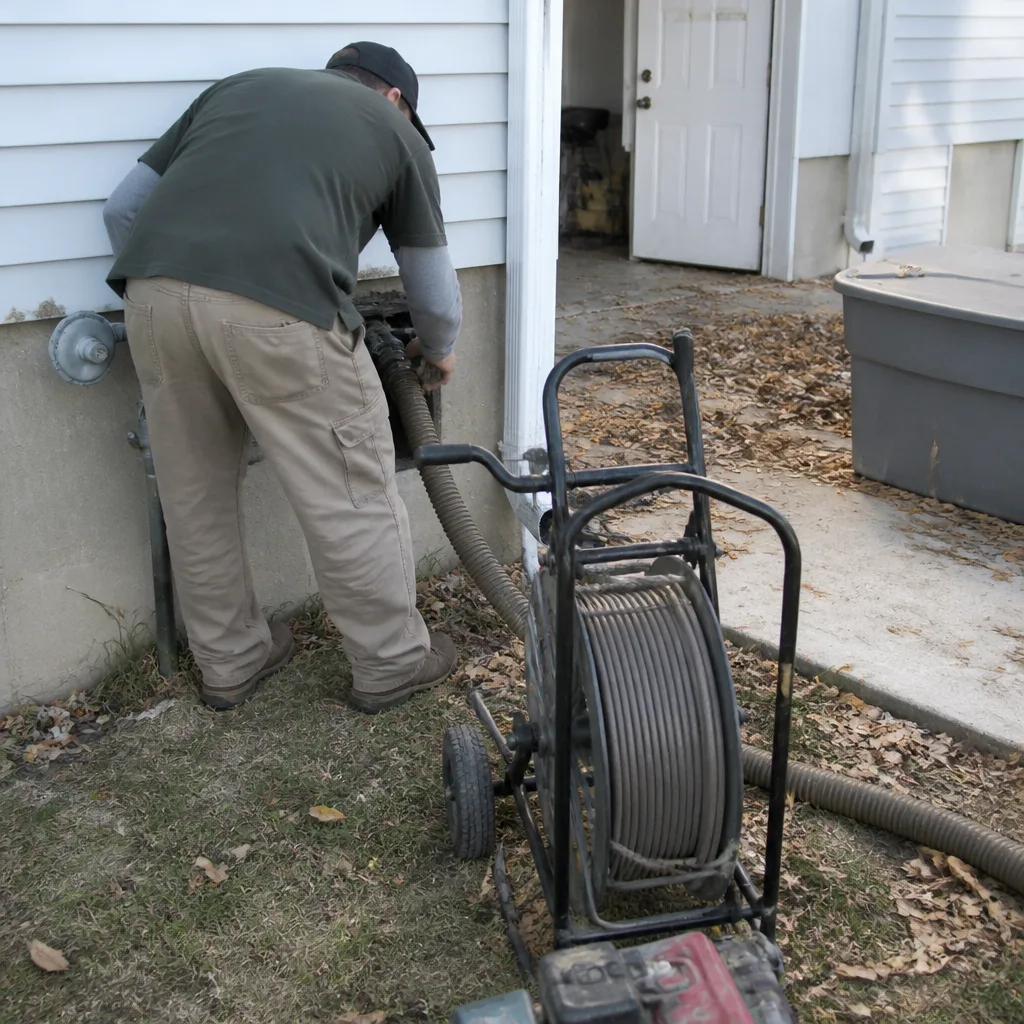
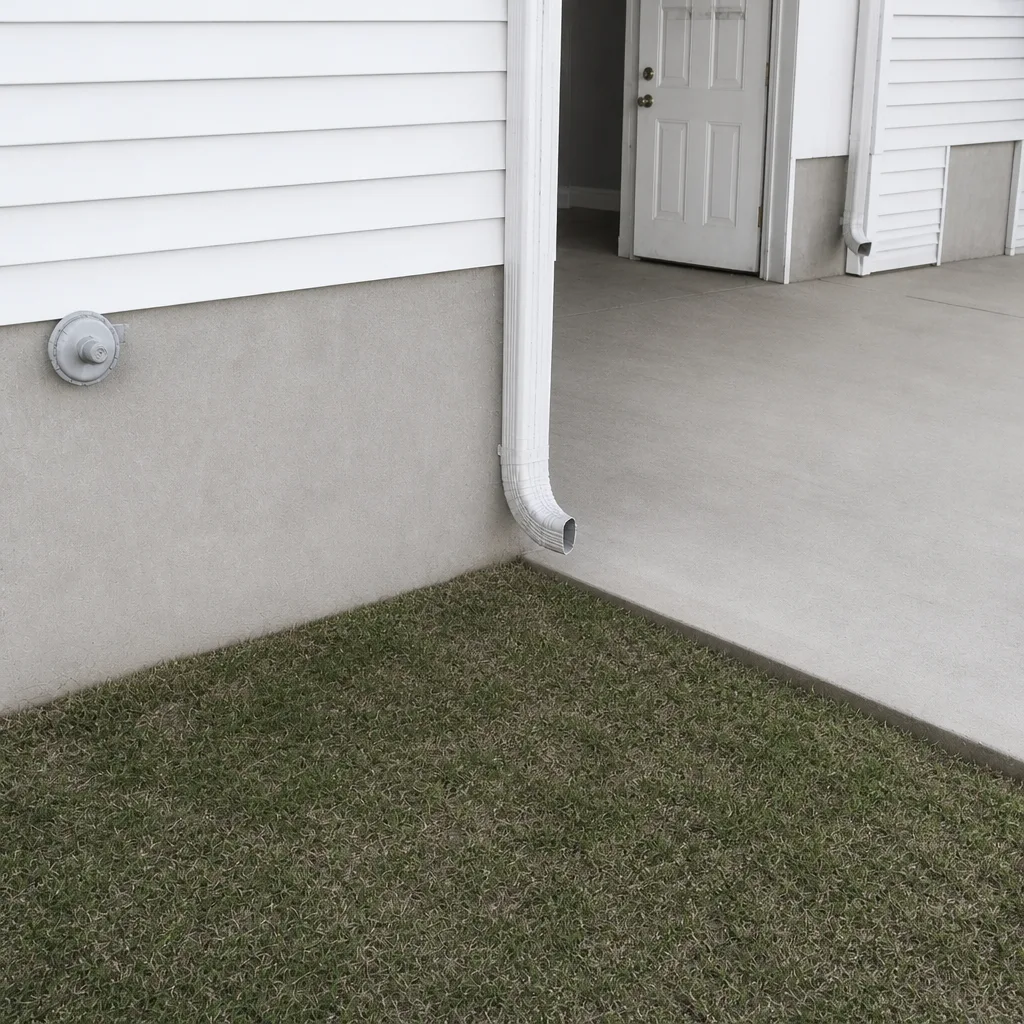
See the difference
 Before
 After
 Before
 After
 Before
 After