
Last updated November 23, 2026
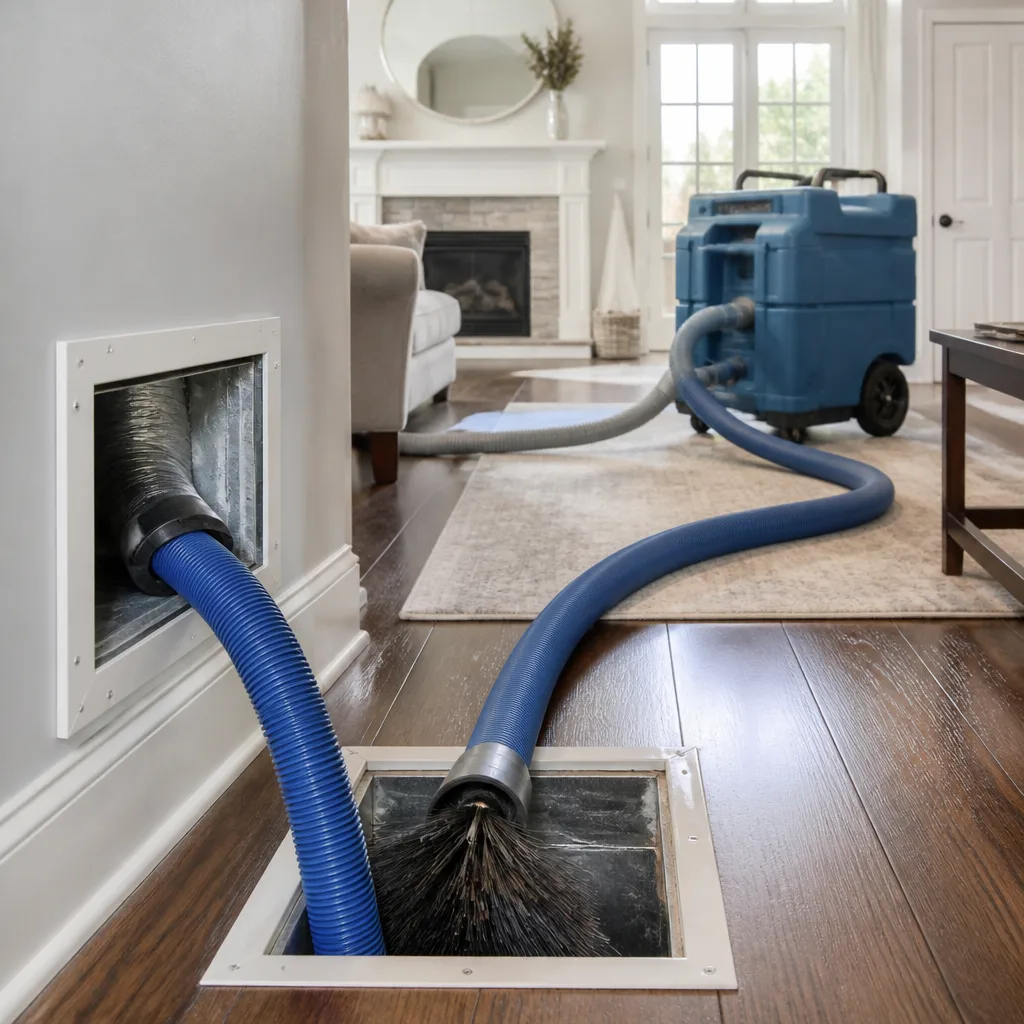 Whole-home duct cleaning
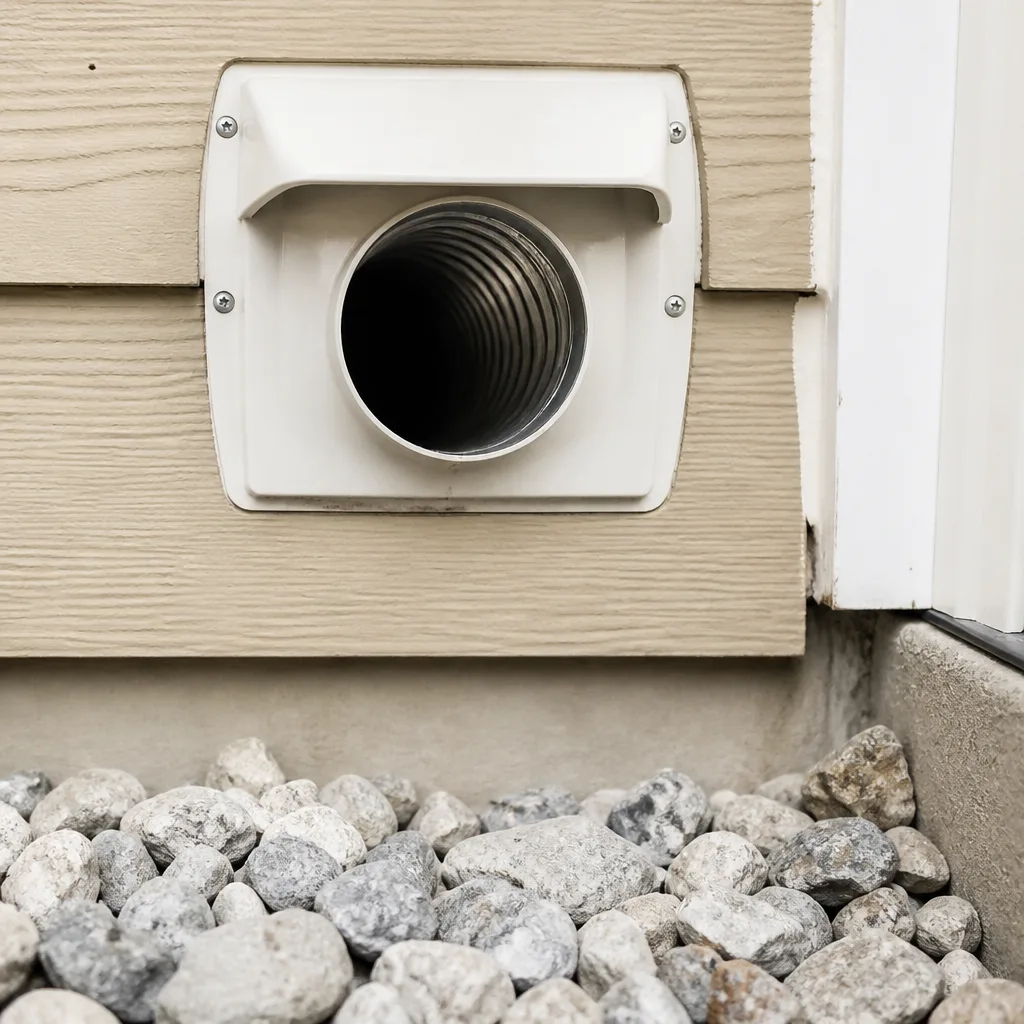 Dryer vent cleaning
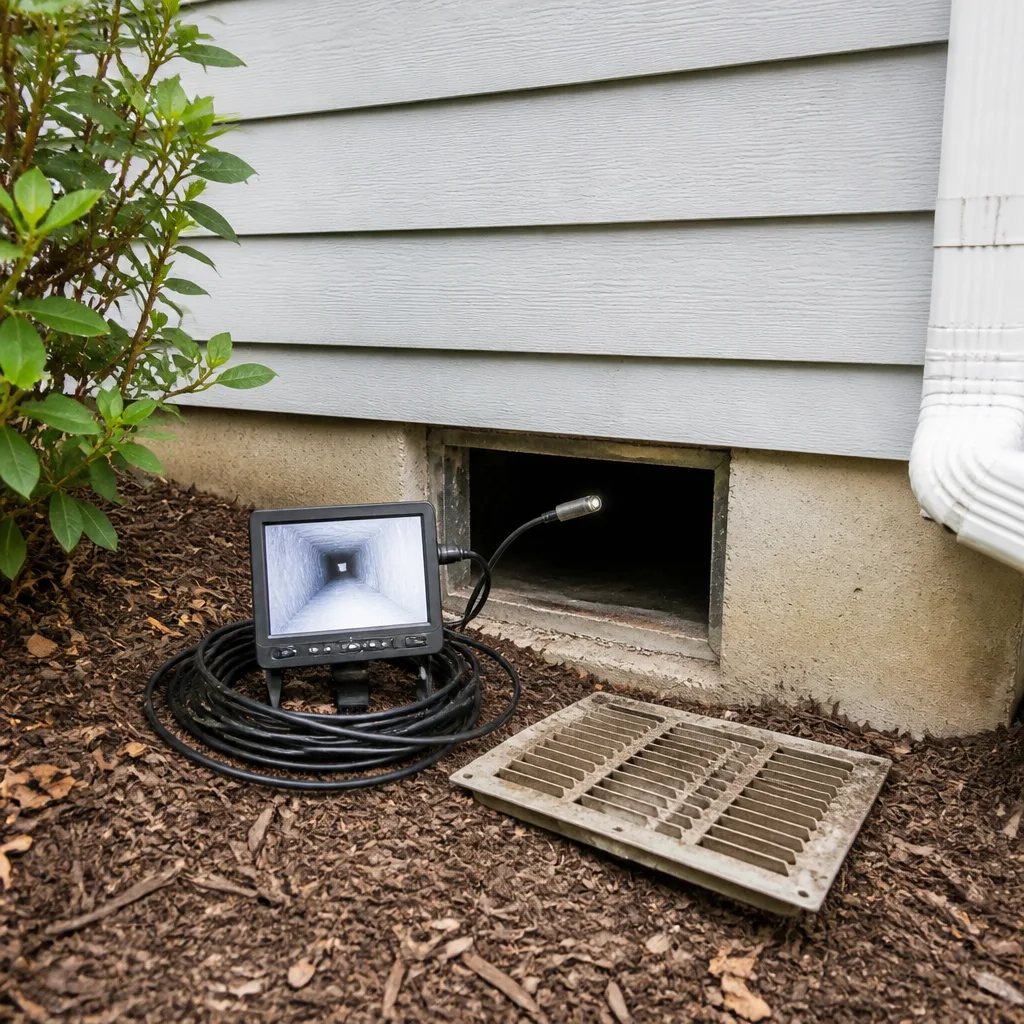 Camera inspection
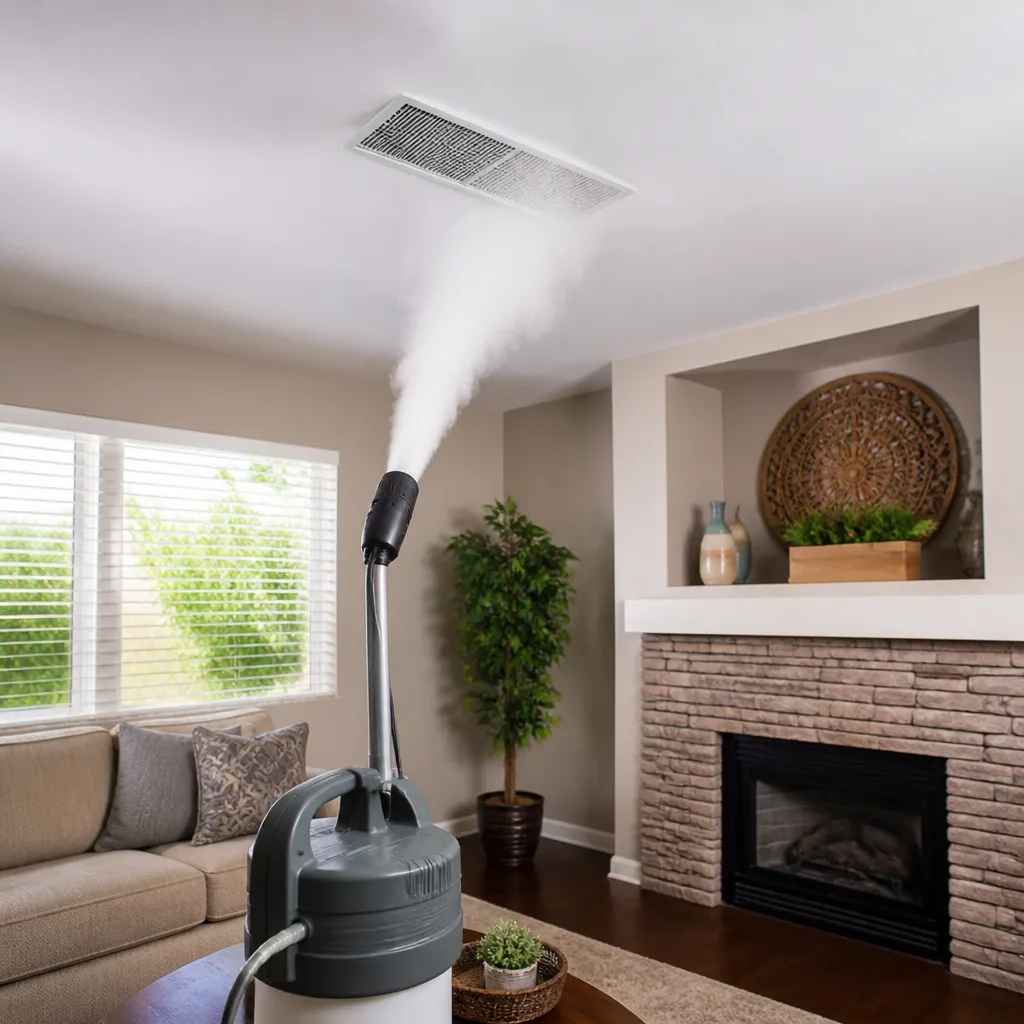 Sanitizing & deodorizing
Whole-system duct and dryer vent check with before-and-after photos - you see exactly what came out of your vents
That "$99 whole-house special" is a bait ad - the real number appears once they are in your hallway, or the "clean" is a shop-vac at the register. We photograph the inside of your ducts before and after instead.
Air Duct Cleaning Emergency Preparedness Guide for Midvale Homes
Most Midvale households have a plan for the earthquake drill and the power outage. Almost none have a plan for what happens to the duct system afterward. That gap matters more than people expect. Ducts are the one part of the house that touches every room at once, and after a seismic shift, a wildfire smoke event, or a flooded crawlspace, they become the shortest path for ash, soil gas, and debris to reach the rooms where your family sleeps and eats. This guide walks through the duct-specific steps that belong in a Midvale emergency plan, from an inspection checklist for cracked connections to the exact sequence for shutting the system down safely when the outdoor air turns to smoke.
Quick Answer
Emergency duct preparedness in Midvale means three things: knowing how to shut your HVAC system off in seconds, knowing what to inspect after an earthquake or flood before you run the system again, and knowing how to operate your system during a smoke or sewage event so it protects indoor air instead of pulling contaminants into it. A post-event professional inspection with containment-grade equipment is the safest way to confirm your ductwork is intact before you resume normal operation.
Styles & brands we work with
- Whole-home duct cleaning
- Dryer vent cleaning
- Camera inspection
- Sanitizing & deodorizing
Table of Contents
- Why duct systems belong in every Midvale emergency plan
- Post-earthquake duct inspection: what to check and when
- Wildfire smoke events: shutdown, recirculation, and post-event cleaning
- Flood and moisture events: the contamination you can’t see
- How to shut off your HVAC system in an emergency
- What to tell a contractor after an emergency event
- Equipment standards that matter when ducts have been contaminated
- Build a Midvale duct emergency kit
Why Duct Systems Belong in Every Midvale Emergency Plan
Midvale sits in the Salt Lake Valley, and the valley geography works against clean indoor air in almost every kind of emergency. Winter inversions trap particulates near the valley floor for weeks at a stretch. Summer wildfire smoke settles into the same basin and lingers. And the Wasatch Front fault zone means a real earthquake is a matter of when, not if. Each of these events leaves something in the air or under the home, and the duct system is the delivery route.
Here’s the part that surprises homeowners. Ducts are passive most of the time. Air moves through them when the furnace or air handler runs. But ducts are also flexible in a literal sense: the connections at plenums, boots, and collars are among the first things to crack, separate, or dislodge when a house shakes. After the 2020 Magna earthquake, plenty of homes in the Salt Lake Valley had duct connections pulling crawlspace air into the living system without a single crack in the drywall. Nobody could see it from the outside because ductwork is hidden by design.
What that means in practice is simple. If the ducts draw from a crawlspace, a garage, or an attic after a seismic event, they draw whatever is in those spaces too: soil gases, insulation fibers, dust that’s decades old. An emergency plan that covers the water heater straps and the gas valve but skips the ducts has a hole in it. This guide covers that hole. You’ll learn what to check, when to call before you run the system, and how a proper Midvale Air Duct Cleaning inspection fits into the plan.
Post-Earthquake Duct Inspection: What to Check and When
After an earthquake, do not run your furnace or AC until you’ve looked at the duct system, especially if the unit sits in a crawlspace or attic. The reason is straightforward: a running system under a compromised duct pulls air from wherever the leak is, and if that leak is in a crawlspace or near a gas line, the air entering your home isn’t the air you planned on breathing.
Here’s the sequence we recommend for Midvale homes after a shake.
- Shut the system off first. That means the thermostat to “off” and, if you can identify it, the breaker feeding the air handler. Don’t run the fan even in circulation mode until you’ve inspected.
- Check the accessible connections under the house or in the attic. Look for separated collars at the plenum, disconnected flex duct, and runs that have pulled loose at the boots or supply registers.
- Check for gas smells and shutoff status. If you smell gas, stop, evacuate, and call your utility. Do not troubleshoot the ducts.
- Look for debris in the crawlspace that may have shifted. Loose insulation, fallen duct wrap, or dust settled near open connections are signs the system could pull contaminants into the house.
- Inspect the outdoor condenser pad and the line set. While this is more HVAC than duct, an earthquake can shift the outdoor unit, and you need to know before you run it.
- Document what you see with photos. This helps when you schedule an inspection and gives you a record for your insurer if the damage is significant.
What most homeowners miss is the crawlspace. Duct runs in valleys like ours often travel under the home, and the connections there are where failures happen first and are seen last. If your home has any grade-level access crawlspace, a post-earthquake air duct cleaning inspection is worth doing even if nothing looks wrong inside. Our technicians have up to 13 years of experience and know exactly where to look and what a sealed connection should feel like in the hand. If anything is compromised, we handle duct repair and sealing in the same visit so the leak doesn’t sit in the system waiting for the next event.
Where duct connections typically fail after a quake
In our experience on Midvale homes, the weak points cluster in predictable spots: the plenum connection at the furnace, the flexible joints at register boots, the collars on branch takeoffs, and any spot where flex duct sags. Rigid metal duct in older homes can separate at the seams even when the duct doesn’t appear dented. Flex duct tends to pull loose at the collar rather than fail along the run. The tell is dust trails or a slightly different air pressure at a register; the check is to open what you can reach and look.
Wildfire Smoke Events: Shutdown, Recirculation, and Post-Event Cleaning
When wildfire smoke settles over the Salt Lake Valley, the instinct is to close the windows and run the AC. That’s half right. Closed windows help; how you run the system matters just as much. Here’s the protocol we recommend for Midvale homes during a smoke event.
When to shut the HVAC off entirely
Turn the system off, including the fan, if the outdoor smoke is thick enough to smell indoors, if you can see visible haze in the house, or if your area is under an air quality alert. A standard furnace filter and a standard return duct don’t block fine particulate; running the fan in a leaky system will pull smoke in through the cracks rather than filter it out. Shutting it off also protects the blower and evaporator coil from loading up with ash, which is a service call you don’t need on top of the smoke.
How to run it in recirculation mode
If your thermostat or air handler has a recirculation setting (sometimes labeled “fan” or “indoor air”), you can run it briefly to move air through a quality filter while the outdoor smoke is between peaks. Keep the fresh-air intake closed if your system has one. Change the filter before and after the event. For households with lung conditions, a standalone high-efficiency particulate air purifier in a single room is often the safer move than trying to filter the whole house through a residential filter.
What a post-event cleaning has to include
Ash is fine, abrasive, and slightly alkaline. When smoke settles out of the air, the residue collects on duct walls, the evaporator coil, the blower wheel, and the return plenum. Running the system afterward lifts that layer back into the airstream. A post-event professional cleaning should cover:
- Every supply and return run, including branches you can’t see from a register.
- The air handler interior, blower wheel, and evaporator coil surface.
- The return plenum and any flex duct connectors.
- Containment-grade filtration during the work, so ash is captured rather than recirculated through the house.
- A filter change and, if the homeowner wants it, a post-cleaning air quality upgrade. We supply and install Honeywell and Aprilaire systems for exactly this situation, and they pair well with a proper cleaning because the filter is only as effective as the ducts feeding it.
For related cleaning after a smoke event, our HVAC cleaning service covers the components the duct run doesn’t: coil, blower, drain pan, and the cabinet interior.
Flood and Moisture Events: The Contamination You Can’t See
Here’s the misconception worth correcting early: your ducts don’t need to be submerged to be contaminated. A flooded basement or crawlspace will send moisture vapor into the duct runs even if no water touches the metal. That vapor condenses on cooler duct surfaces, and once it does, the environment inside the duct system changes. Dust that was dry becomes a substrate. Fiberglass liner, if your home has it, holds moisture like a sponge. Even short-term moisture exposure can turn a duct run that was merely dirty into one that needs professional attention.
After any water intrusion in a Midvale home, follow this sequence.
- Stop running the HVAC. Moisture in the airstream plus airflow equals a system that spreads dampness through the house.
- Dry the space first. Extract standing water, run dehumidifiers, and confirm the crawlspace or basement is dry before duct work begins. Cleaning wet ducts is wasted effort.
- Inspect for duct liner and insulation damage. If fiberglass liner is wet, it usually needs to be removed rather than dried in place. This is a judgment call for a trained technician, not a shop vac.
- Check for sewage or gray water exposure. If flood water entered the ducts even briefly, the system needs disinfection, not just cleaning. Sewage exposure is a professional-only situation.
- Sanitize before restarting. Once the ducts are dry and cleaned, a sanitizing treatment is the step that addresses what the cleaning brushes lift but can’t kill. We use established products for this and can recommend the right protocol for your system.
- Confirm the source of moisture is fixed. Cleaning a duct system that will get wet again next rain is a repeat expense.
Local geography matters here. Midvale’s position at the mouth of Little Cottonwood Creek and its older housing stock mean spring runoff and summer storms sometimes push water where it wasn’t expected. If you’ve had water in the crawlspace, treat the ducts as part of the remediation, not a separate problem.
How to Shut Off Your HVAC System in an Emergency
Every adult in the house should know this. It takes less than a minute and it’s the single most useful duct-specific skill in an emergency plan.
- Set the thermostat to “off.” The system stops calling for heat or cool immediately.
- Find the breaker for the air handler and furnace. In most Midvale homes this is in the main electrical panel, labeled “furnace” or “air handler.” If the label isn’t there, trace it now, while the weather is calm, before you need to.
- If your system has an outdoor disconnect for the condenser, use it. The switch or pull-out block near the outdoor unit is designed for this exact situation.
- If you smell gas, close the gas shutoff at the appliance or meter if you know how. Then leave the home and call your utility.
- Note the time you shut the system off. If you call for service, this tells the technician how long the system has been off and helps with diagnosis.
- Don’t turn the system back on to “test” it after a damage event. A visual inspection by a qualified technician comes first.
One more point about air quality management during an emergency. With the HVAC off, closed windows, and doors kept closed, indoor air stays more stable than if you try to run the system to “clear it out.” If you need additional filtration, a freestanding unit in the room you’re occupying is the safer tool. Our technicians can walk you through what makes sense for your home’s square footage and system type; call (855) 337-0937 if you want to talk through your situation before you turn the system back on.
What to Tell a Contractor After an Emergency Event
Most of the calls we get after a smoke event or a flood sound the same: “Can you clean my ducts?” That’s a fine starting point, but the details you give shape what actually gets inspected. Here’s what to include.
- The event itself and when it happened. “Wildfire smoke for eight days in August” tells us something different from “crawlspace flooded six weeks ago.”
- Whether the system ran during the event. A system that ran through a smoke event has a load pattern a system that didn’t doesn’t.
- Whether you saw water in the crawlspace, basement, or attic. Even a puddle counts. Mention it.
- Any visible damage: cracks, sagging runs, dislodged connections, ducts resting on the ground. Photos help.
- Whether the outdoor unit shifted or the line set looks stressed.
- What your thermostat or air handler model is if you know it. Some systems need specific filter and airflow handling.
- Whether anyone in the home has health concerns. Not to make a medical judgment; to know if we need extra containment or a sanitizing step.
What many homeowners don’t know to ask for is an inspection of the connections at the air handler, plenum, and register boots. If you don’t specifically ask, some contractors will clean the ducts and leave separated joints behind. When we inspect a Midvale home after an event, we seal what needs sealing the same day. That’s the difference between cleaning and repair on a single visit. If you’re getting multiple estimates, ask each contractor these two questions before you hire:
- What containment equipment do you use during the job? Any answer that doesn’t name a filtration system is a red flag. We use Abatement Technologies air filtration on every job so dislodged debris is contained, not redistributed.
- Do you handle duct repair and sealing yourself, or do you subcontract? Subcontracting after an emergency event means a second truck, a second schedule, and often a gap in accountability.
Equipment Standards That Matter When Ducts Have Been Contaminated
After an event, the equipment behind the cleaning matters more than it does on a routine job. Loose ash, soil, and dried silt behave differently from household dust. They pack down at the base of vertical runs, cling to duct walls, and can damage motors if they’re pulled through a system in volume with inadequate containment.
The tools we use on every Midvale job are commercial-grade: Rotobrush and Nikro extraction systems that physically dislodge debris from the duct surfaces and pull it out, combined with Abatement Technologies air filtration that traps what the extraction lifts. This is the same approach used in commercial facilities. In a residential setting it’s overkill on an ordinary dirty-duct job and exactly right for a post-event cleaning where the load is heavier and the stakes are higher.
The other piece is what happens after the cleaning. A system that just got cleaned and left with a standard filter is a system that fills back up quickly. We integrate Honeywell and Aprilaire filtration and air purifier systems and can install them in the same visit if your home needs more filtration than your current filter provides. Duct sealing and repair is also part of what we do, so a compromised connection isn’t left behind after the cleaning is finished. And for the household’s broader fire safety, we handle dryer vent cleaning as a dedicated service, since a clogged dryer vent is a quiet fire risk in the same kind of emergency you’re already prepping for.
Build a Midvale Duct Emergency Kit
Unlike a generator or a water barrel, a duct emergency kit is small, cheap, and genuinely useful. Keep it on the shelf next to the fire extinguisher.
- A photo of your electrical panel with the furnace and air handler breakers labeled and circled.
- Your air handler model and filter size written on an index card. When smoke settles or water hits, you’ll want to change the filter fast.
- Two spare filters at your home’s rated size. One for before an event, one for after.
- A flashlight with fresh batteries for inspecting the crawlspace.
- A pair of knee pads and work gloves if you plan to look under the house yourself.
- The number for your gas utility and your HVAC and duct contractor written down, not just in your phone. During a regional event, phones lose charge and cell service gets overloaded.
- A printed copy of the shutdown steps above taped inside the closet with your electrical panel.
Every item here costs very little, and together they turn ten minutes of panic into about ninety seconds of calm action. We recommend going through the checklist with everyone in the household once a year, on the same day you test the smoke alarms. If you want to go further, a pre-event duct cleaning and sealing inspection gives you a baseline; after the event, the difference between “it looked intact” and “it was sealed” is a lot easier to prove.
Common Mistakes to Avoid
- Running the system immediately after an earthquake. The ducts might be drawing crawlspace air, and a running fan turns a small leak into a whole-house air quality problem. Turn it off and inspect first.
- Trying to filter wildfire smoke with a standard furnace filter and the fan on. Standard filters aren’t designed for fine particulate, and a leaky duct system will pull smoke in faster than the filter can clear it. Run the purifier in one room, not the whole-house fan.
- Treating a flooded crawlspace as a separate problem from the ducts. Water vapor reaches the ducts even when the ducts don’t get wet directly, and the moisture damage is invisible until the system is cleaned. Inspect both together.
- Assuming a duct cleaning after an event is just a routine cleaning. Post-event ducts carry ash, silt, or sewage residue that requires heavier equipment and containment. Ask what the contractor uses.
- Not labeling the furnace breaker. In a real emergency, you shouldn’t be opening panels and guessing. Do it this week, while the weather is calm.
- Getting one estimate and hiring on price. Cheap bids often leave out containment, don’t seal connections, and come back to you for a second visit and a second bill. Ask what the estimate covers line by line.
- Skipping the dryer vent in the emergency plan. Lint buildup is a known fire risk, and an emergency is when the last thing you need is another one.
See the difference
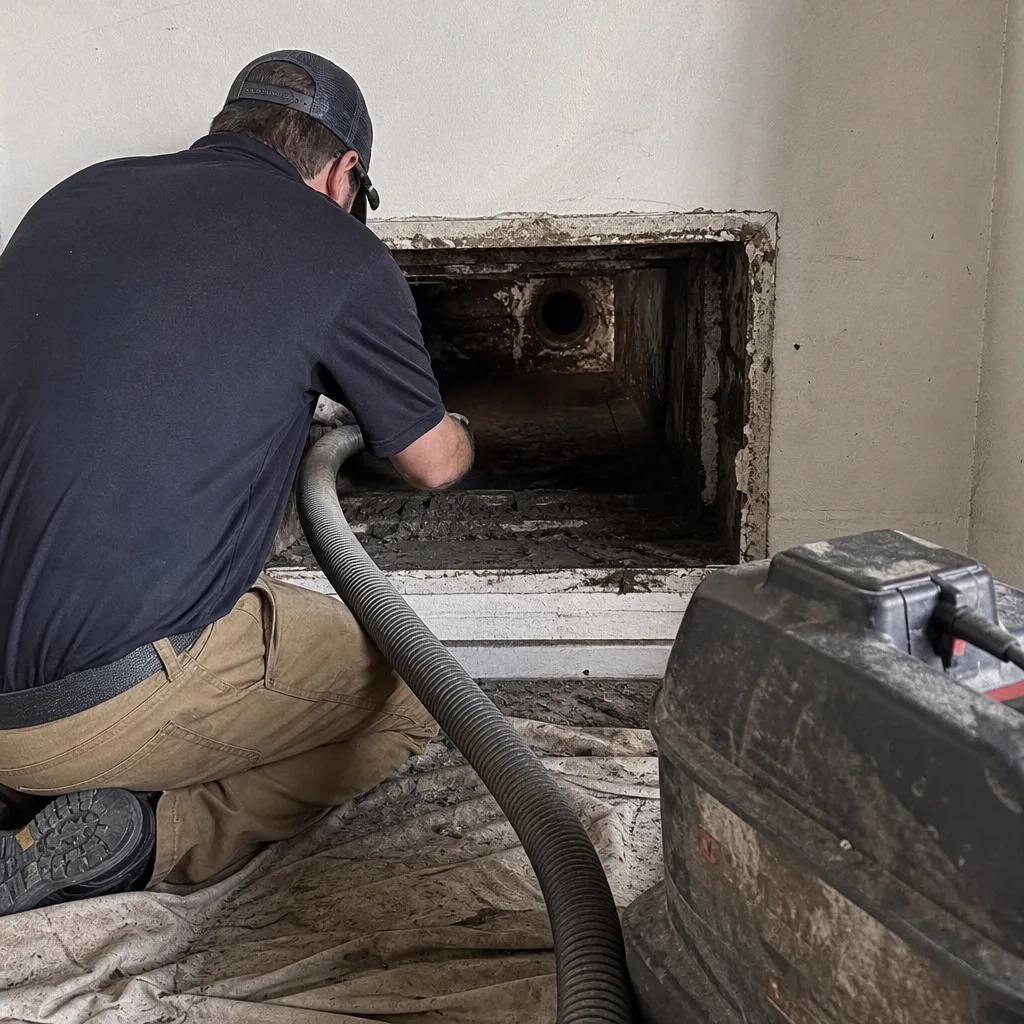 Before
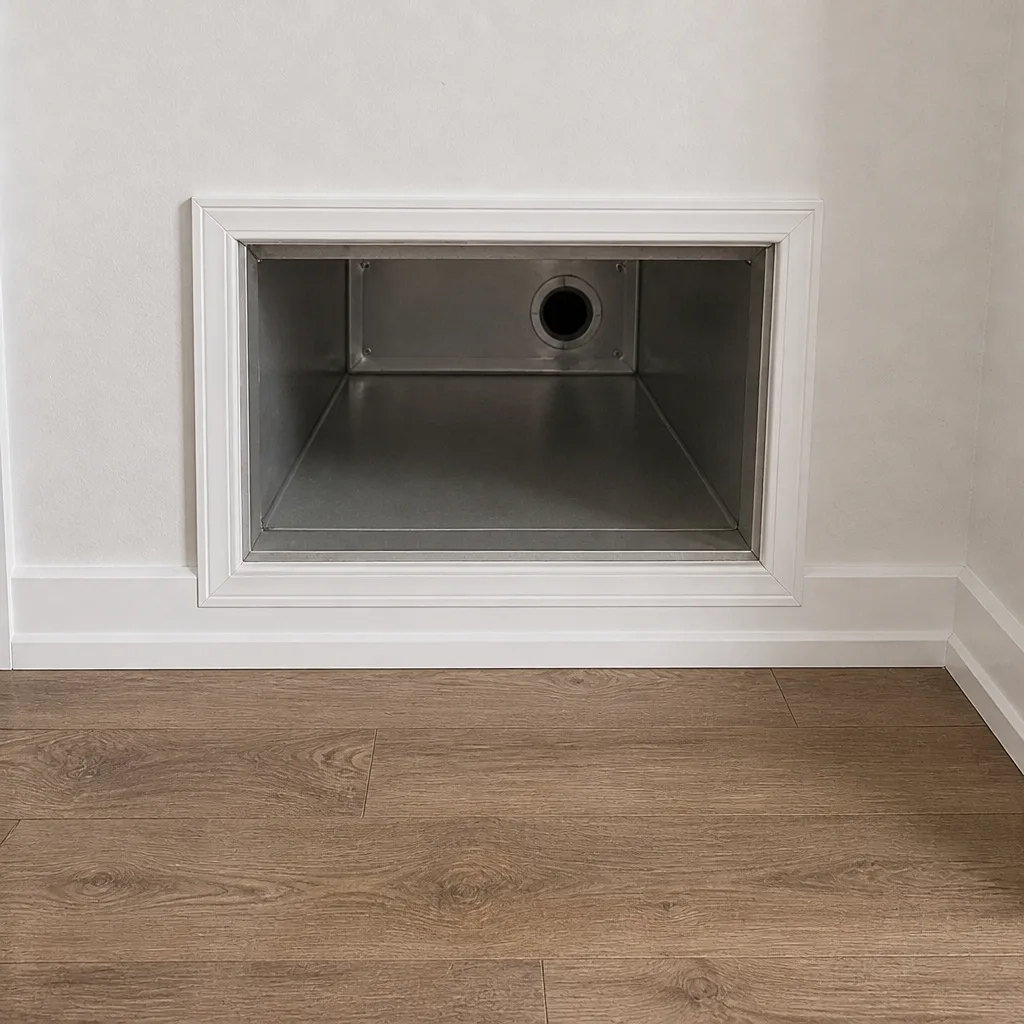 After
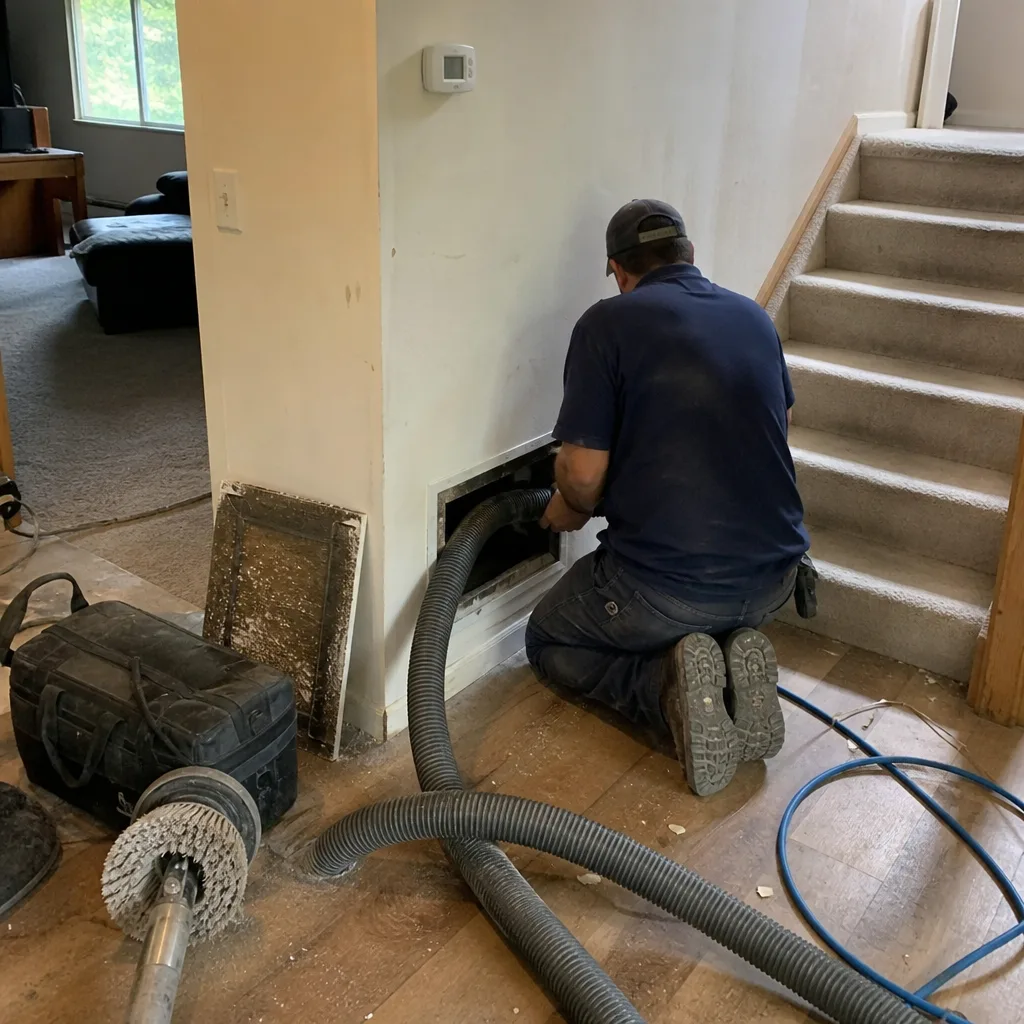 Before
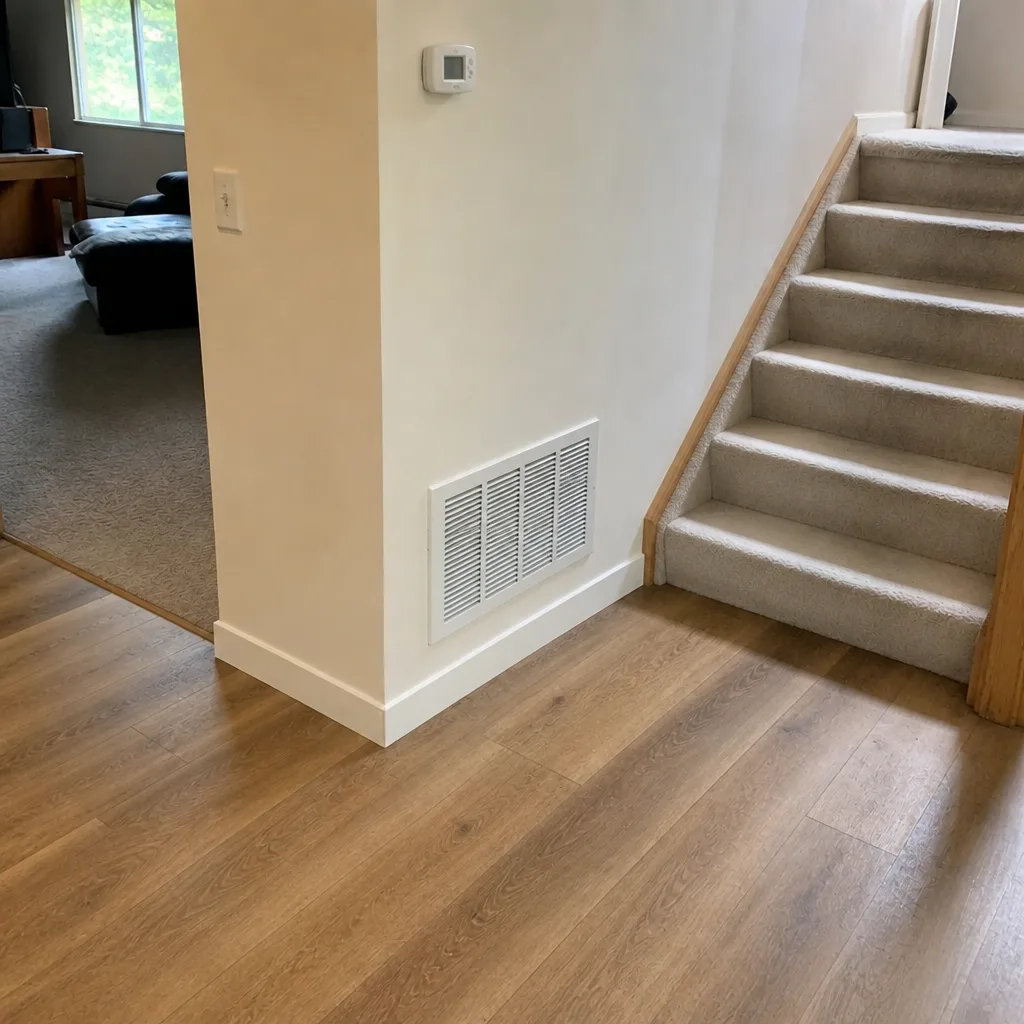 After
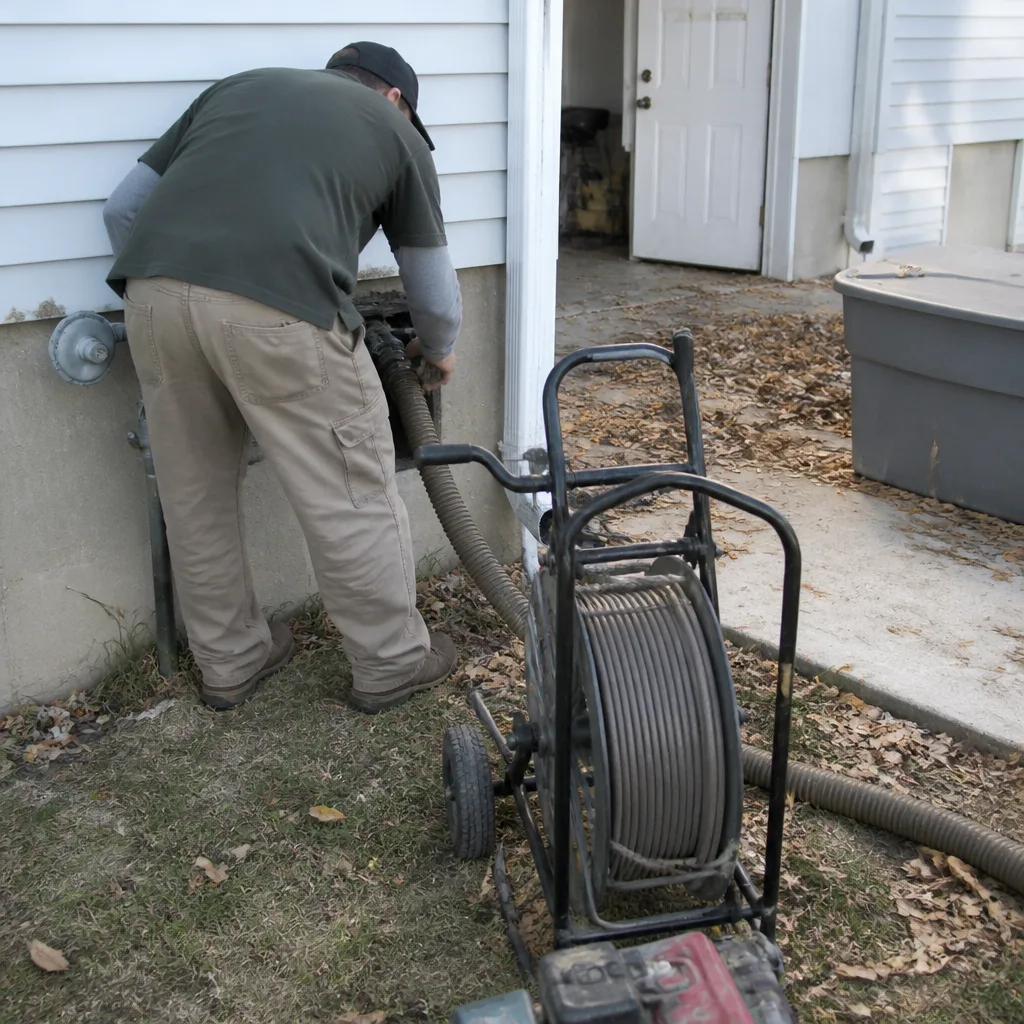 Before
 After
When to Call a Professional
Call a professional after an earthquake if you see or suspect disconnected ductwork, after any wildfire smoke event if the system ran during the event or the smoke lasted several days, and after any flood or water intrusion in the crawlspace or basement. Call if you’ve done the visual inspection and something looks off or you don’t feel confident judging what’s normal. Call if anyone in the home has asthma or other respiratory sensitivities and the air felt different after the event. And call if the outdoor unit shifted during the quake, even if the ducts look fine, because the two systems work together. Midvale Air Duct Cleaning offers free estimates in Midvale. Call (855) 337-0937. We answer 24/7, with fast dispatch from 7am to 7pm, Sunday through Friday. The estimate is free, the price is set per job by the written estimate, and you’ll see before-and-after photos of your own ducts before the job is closed out.
Frequently Asked Questions
As soon as you can safely get into the crawlspace or attic, and before you turn the HVAC system back on. If the home has any sign of gas, water, or structural issue, wait for the utility and a qualified technician. For minor shakes with no visible damage, a routine professional inspection within a few weeks is reasonable, but don’t run the system continuously hoping it’s fine. Call (855) 337-0937 for an exact quote; estimates are free.
Not comfortably, and not safely in most cases. Standard residential filters aren’t designed for fine smoke particulate, and leaky ducts pull outdoor smoke into the system faster than the filter can clear it. Shut the system off, close the windows, and use a standalone purifier in one room if you have one. If your smoke event lasts several days, schedule a professional cleaning afterward. Call (855) 337-0937 for an exact quote; estimates are free.
Yes, in most cases. Moisture vapor reaches ductwork even when the ducts themselves aren’t submerged, and it condenses on cooler duct surfaces. Once inside, the environment changes and the cleaning protocol is different. Get the space dry first, then schedule the inspection and cleaning. Call (855) 337-0937 for an exact quote; estimates are free.
You can’t reliably judge from a register looking down the duct. The visible dust at a register is the least interesting part of the system. A professional inspection with a camera and containment equipment shows what’s actually in the runs, and a good contractor will show you before-and-after photos of your own ducts. If a contractor can’t or won’t do that, that’s your answer. Call (855) 337-0937 for an exact quote; estimates are free.
Pricing depends on the size of the home, the number of systems, and what the cleaning uncovers. We set one flat price per system, agreed in writing before work starts, and we don’t price per-vent. That structure matters after an event, when the temptation for a low teaser price and a much larger invoice is highest. Call (855) 337-0937 for an exact quote; estimates are free.
Usually one of three things is missing: containment equipment, connection repairs, or an actual inspection of the whole system. Cleaning a duct run without containment redistributes debris through the house rather than removing it, and cleaning without repairing a separated connection leaves the leak in place. Ask what the estimate covers, ask what equipment is used, ask if duct repair and sealing is included. The cheapest quote is often the one that costs the most after the second visit. Call (855) 337-0937 for an exact quote; estimates are free.
The Bottom Line
Your duct system is the one part of the house that turns a localized emergency into a whole-home air quality problem. Label the furnace breaker, know the shutdown steps, keep two spare filters on hand, and know what to look for after an earthquake, a smoke event, or a flood. Then call a professional before restarting the system if anything looks off. The equipment behind the cleaning matters as much as the cleaning itself, which is why we run Rotobrush and Nikro extraction with Abatement Technologies containment on every job. Ducts are only as clean as the process behind them, and after an emergency, that process is the whole point. Call (855) 337-0937 for a free estimate. We answer 24/7. Fast dispatch from 7am to 7pm, Sunday through Friday.
Written by the team at Midvale Air Duct Cleaning.