
Last updated November 23, 2026
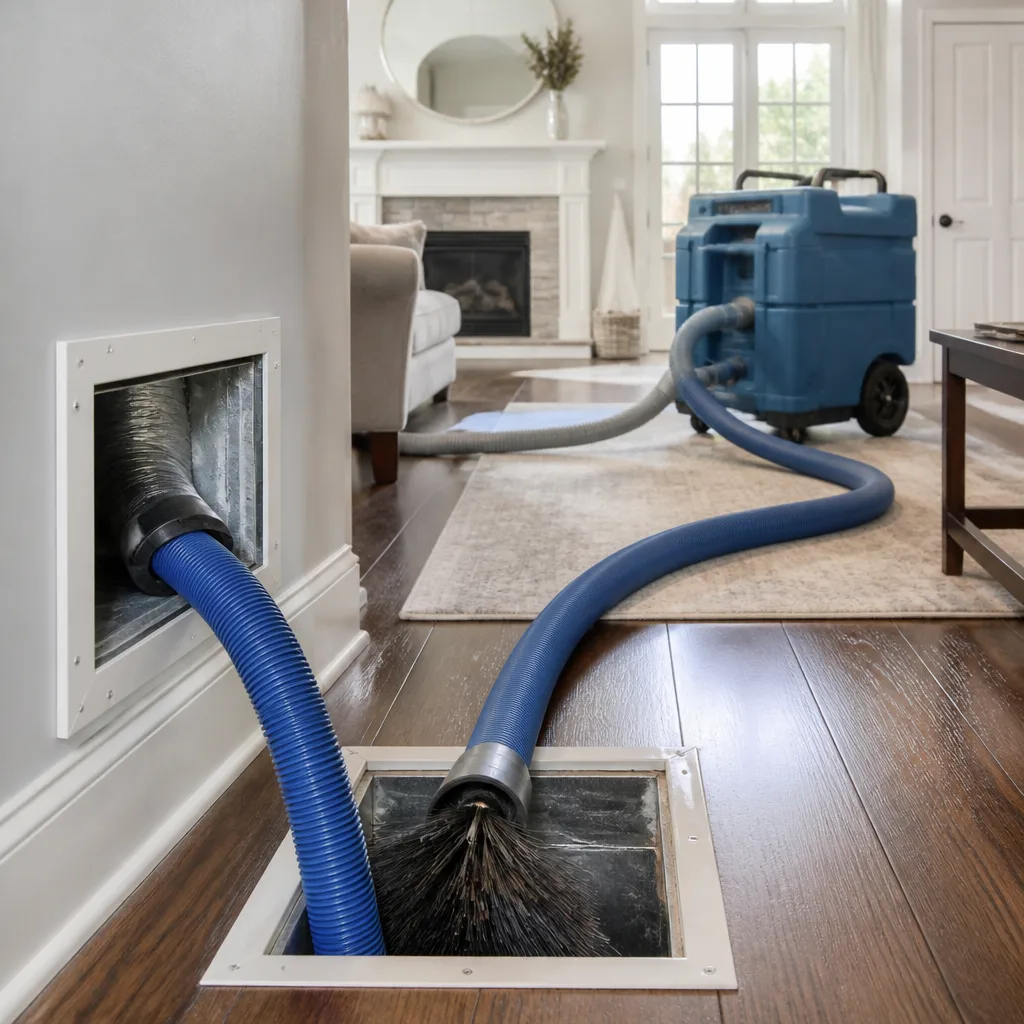 Whole-home duct cleaning
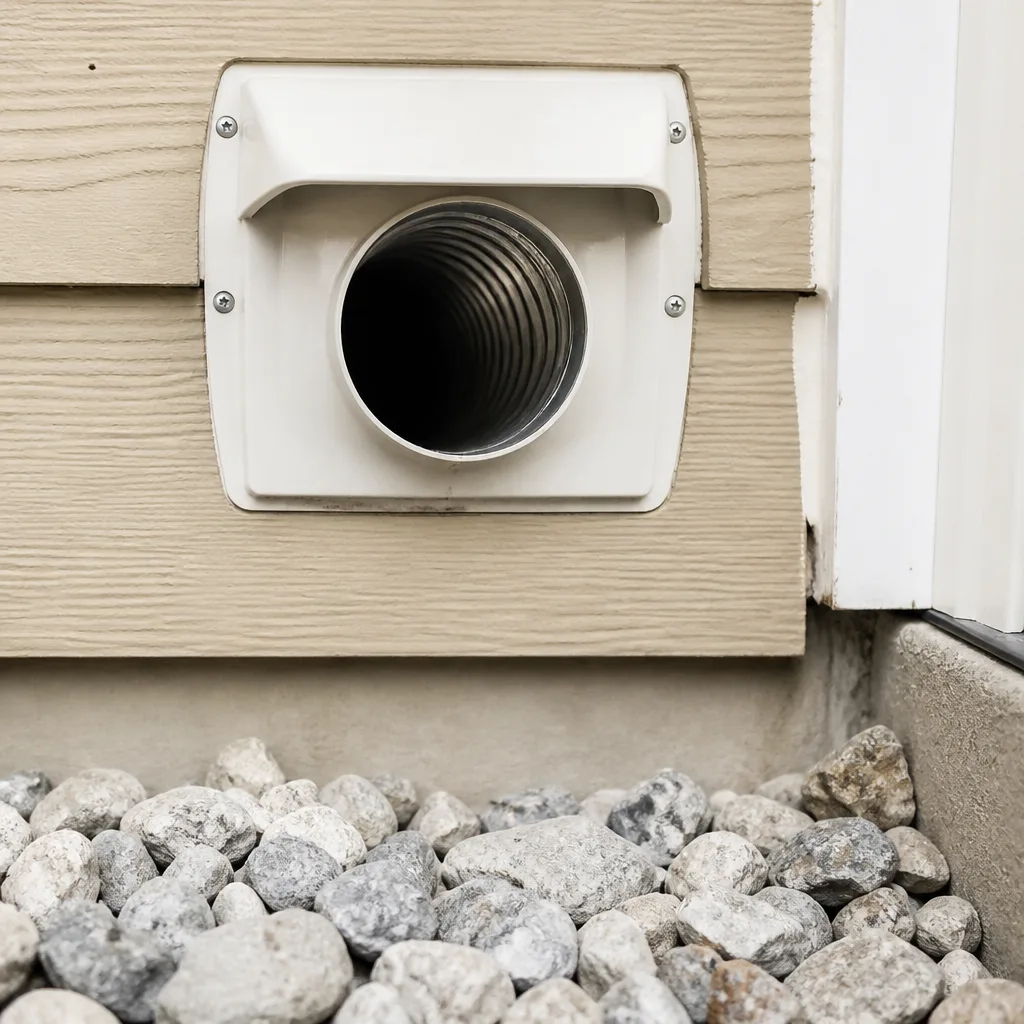 Dryer vent cleaning
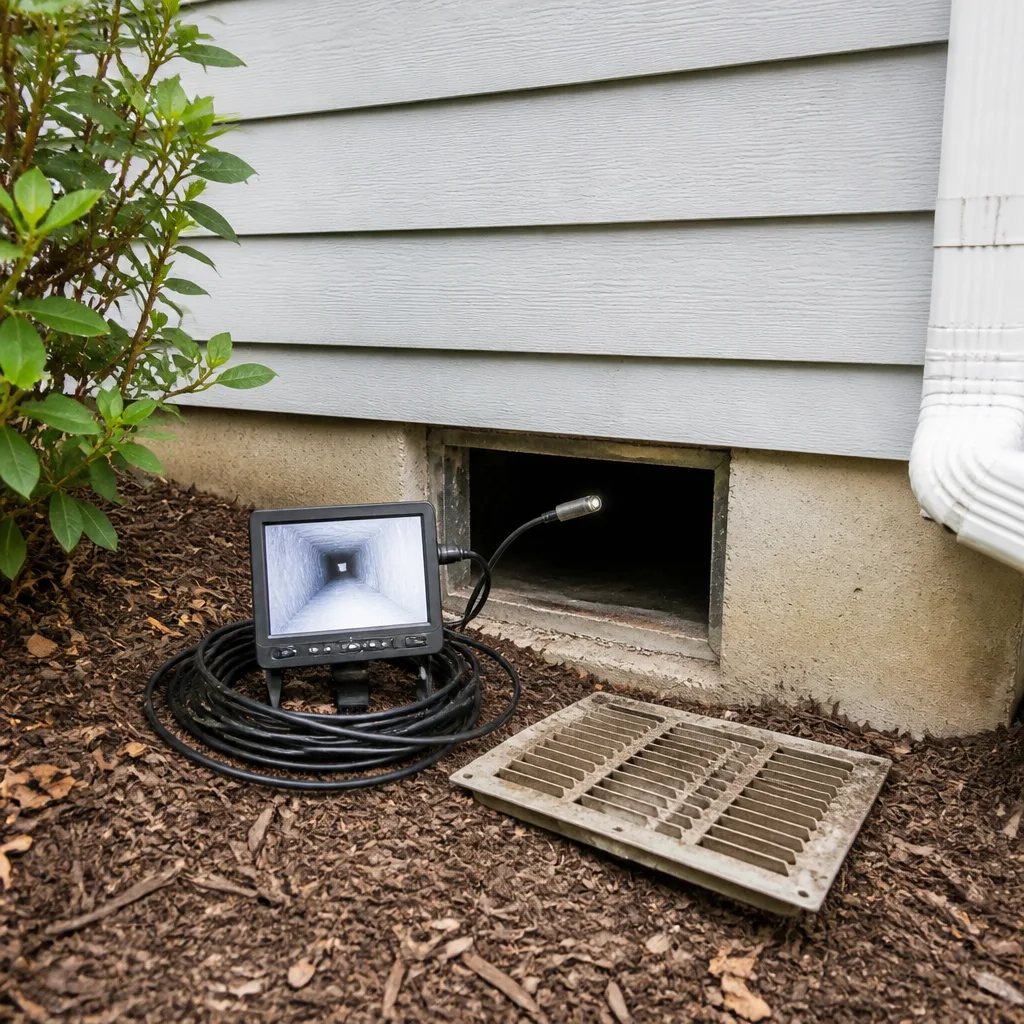 Camera inspection
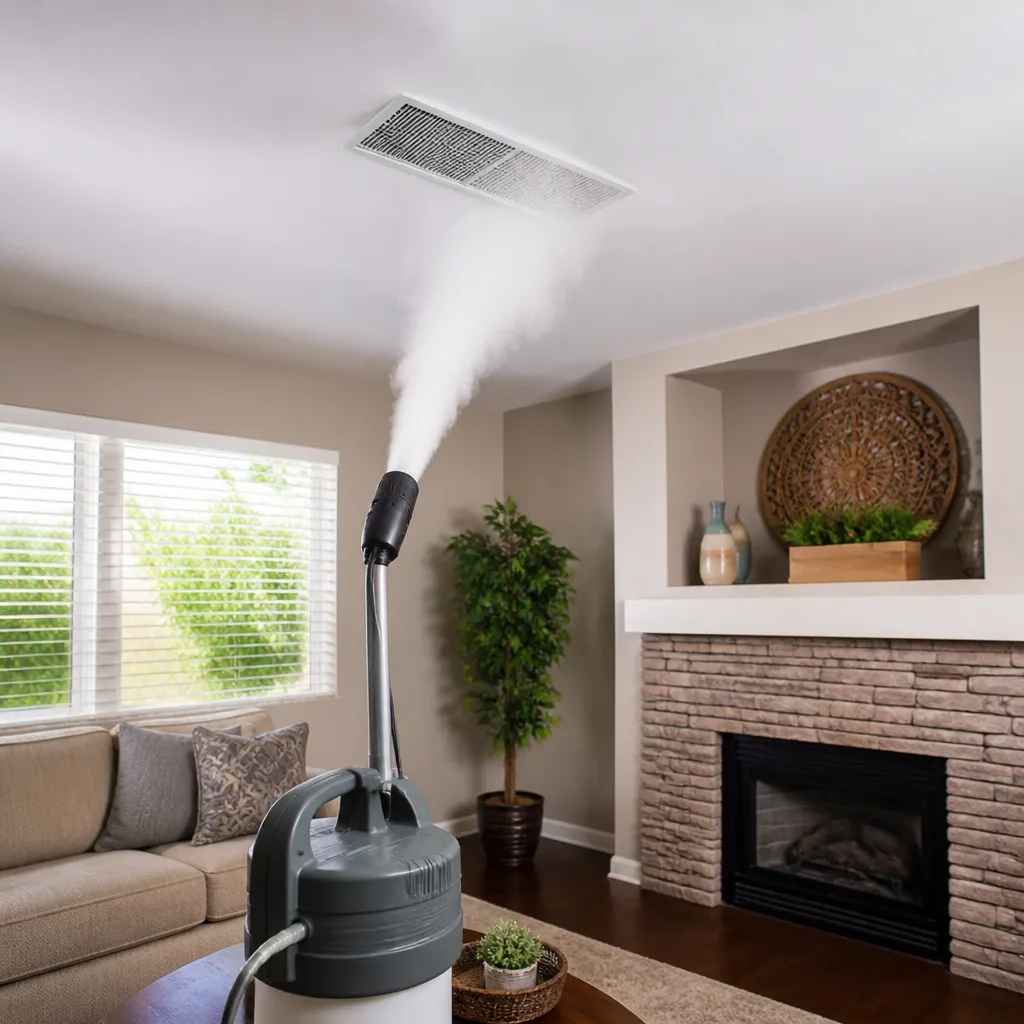 Sanitizing & deodorizing
Whole-system duct and dryer vent check with before-and-after photos - you see exactly what came out of your vents
That "$99 whole-house special" is a bait ad - the real number appears once they are in your hallway, or the "clean" is a shop-vac at the register. We photograph the inside of your ducts before and after instead.
Choosing the Right Air Duct Cleaning Brand: A Buyer’s Guide for Midvale
Walk through the national brand names you see on duct cleaning vans around the Salt Lake Valley and you’d assume the logo tells you something about the work. Often it doesn’t. Several franchise operations running in this market use the same portable vacuums a homeowner could order online for a few hundred dollars. The logo on the door and the machine at the end of the hose are two different stories.
That gap is exactly what this guide is for. By the end you’ll know how to read equipment class the way a technician does, how to verify a NADCA credential instead of just trusting a badge on a website, and what documentation a legitimate contractor hands you before anyone touches a thermostat. The focus is on Midvale, because the housing stock here and the specific way our valley dust behaves both change what “good work” looks like. Study the contractor, not the brand.
Quick Answer
Choose an air duct cleaning company in Midvale by evaluating the equipment class and technician credentials, not the brand name on the van. A contractor running commercial-grade negative pressure equipment like a Rotobrush or a Nikro system with real containment filtration will outperform a franchise using entry-level portables, every time. Ask three questions before you book: what CFM does your vacuum pull, are your technicians NADCA-certified, and what documentation do I get when the job is done?
Styles & brands we work with
- Whole-home duct cleaning
- Dryer vent cleaning
- Camera inspection
- Sanitizing & deodorizing
Table of Contents
- Equipment Class: What Actually Cleans Your Ducts
- CFM Ratings Explained Without the Jargon
- NADCA Membership: What It Means and How to Verify It
- Franchise vs. Independent: The Real Tradeoffs
- How to Read Duct Cleaning Reviews Like a Pro
- What a Legitimate Contractor Shows You During and After
- Why Midvale Housing Stock Changes the Job
- Cleaning Versus a Full-System Approach
Equipment Class: What Actually Cleans Your Ducts
Duct cleaning comes down to two physical forces: agitation and extraction. Something has to knock the debris loose from the duct walls, and something else has to pull it out of the system and hold onto it. If either half is weak, you’ve paid for a service that stirred dust around and left most of it in place.
Entry-level portables fail on both counts. They typically run a small canister vacuum with a spinning whip attachment dropped down the register. The whip loosens surface dust but the vacuum lacks the static pressure to move it through the trunk line, and there’s no containment filtration, so fine particulates end up back in the room air. This is what a shop-vac-grade setup looks like in practice. It’s not fraud, exactly. It’s just a much smaller tool doing a much smaller job than the ductwork requires.
Commercial-grade equipment works differently. A system like the Rotobrush uses a rotary brush on a flexible shaft driven through the length of the duct, physically scrubbing the walls while a high-volume vacuum holds negative pressure on the system and pulls the loosened material toward the collection unit. A Nikro extraction system handles the heavier push-pull work on trunk lines and plenums. Together they cover the full run rather than dabbing at the openings.
The containment side matters just as much. When we deploy Abatement Technologies air filtration during a service, it’s because dislodged particulates need somewhere to go other than your living room. The filtration traps them at the source. Contain it, don’t redistribute it. That standard is what separates a real duct cleaning from a dust event with an invoice attached.
Ask any contractor two questions before booking: what machine performs the agitation, and what contains the debris. If the answer is vague, the equipment probably is too.
CFM Ratings Explained Without the Jargon
CFM stands for cubic feet per minute, and in duct cleaning it describes how much air the vacuum can move through the system. Higher CFM means the machine can maintain negative pressure across longer duct runs and pull material through trunk lines instead of losing suction at every turn. It’s the single best shorthand for equipment class.
Here’s the plain version: a portable shop-style vacuum might manage a few hundred CFM at the hose, but that number drops fast as soon as you’re pulling through twenty or thirty feet of rigid duct with elbows. A commercial-grade extraction unit holds its volume under load. That’s the difference between “the technician cleaned the ducts nearest the registers” and “the technician cleaned the whole system.”
What you should actually ask when comparing Midvale duct cleaning companies:
- What CFM does the vacuum hold at the working end? Peak CFM on a spec sheet means nothing if it collapses under real duct length.
- Does the machine pull negative pressure on the entire system during service? Sealing registers and running negative pressure keeps loosened debris moving toward the collection unit, not out into rooms.
- Is the collection unit HEPA-rated or equivalent? A high-CFM vacuum with no filtration is just a very effective way to redistribute dust.
- How many machines run at once? One vacuum on a 2,500-square-foot Midvale home isn’t a full-system job; it’s a sampling.
You don’t need to memorize spec sheets. You need to notice when a contractor can’t tell you what their equipment does. A technician who’s worked with commercial-grade gear will answer instantly. That fluency is the credential.
NADCA Membership: What It Means and How to Verify It
The National Air Duct Cleaners Association (NADCA) sets the recognized industry standard for how duct cleaning should be performed, assessed, and documented. Membership means the company has committed to that standard and, in the case of certified firms, has had technicians assessed against it. That is a meaningful signal, and it’s one of the very few in this trade that isn’t self-issued.
The problem is that a lot of “certifications” floating around duct cleaning marketing aren’t actually certifications. Some are annual membership stickers. Some are purchased badges. Some are invented. Here’s how to tell them apart:
- Check the NADCA directory directly. NADCA maintains a public lookup of member firms and certified technicians. If a company claims membership, look them up. Takes thirty seconds.
- Ask for the individual technician’s name. Firm membership and individual certification are different things. A firm can be a member while the person at your door has never been through the assessment. Ask who’s coming.
- Verify at the source, not the website. A badge graphic on a company site proves nothing. The directory does.
- Be skeptical of alphabet soup. Any certification that doesn’t trace back to a real industry body, with a verifiable lookup, is marketing.
- Ask what the training covered. A certified technician can describe the standard they work to without hesitating.
NADCA isn’t the only useful signal, but it’s the one worth checking. In our experience, a company that’s comfortable being verified usually has the equipment to back it up. The two tend to travel together.
Franchise vs. Independent: The Real Tradeoffs
Neither a national franchise nor an independent contractor is automatically better. They’re structured differently, and the tradeoffs hit your job in different places.
A franchise’s strength is consistency. Franchisees work under a shared operating manual, which means a certain baseline standard regardless of which location you call. The weakness is capital. Franchise fees and royalty structures put pressure on the operator’s margins, and equipment is often where that pressure shows up. The result can be a recognizable name attached to tools that don’t match the reputation. Equipment investment is a per-franchise decision, not a brand-wide guarantee.
An independent contractor’s strength is local accountability and, often, equipment choice made by the person running the machine. If the owner of the business is the one who decided what to buy, they usually buy something that works. The weakness is that quality varies widely with no governing structure. Some independents are excellent. Some are a borrowed trailer and a shop-vac.
What flips the comparison is local knowledge. A contractor who works Midvale homes understands the specific dust patterns that come off the Wasatch foothills, the way older Fur Park and Downtown Midvale homes were ducted, and how the valley’s dry cold snaps in January and February drive heating-side duct movement. That experience doesn’t transfer from a national playbook.
The right answer for most Midvale homeowners: hire by equipment and credential, and prefer contractors with genuine local operating history over brand recognition. If a franchise operator can demonstrate commercial-grade equipment and NADCA membership, hire them. If an independent can’t, don’t. The brand is a distraction from the real question.
How to Read Duct Cleaning Reviews Like a Pro
Generic five-star reviews tell you almost nothing about duct cleaning. Everyone asks for them, everyone gets them, and a courtesy rating for a technician who showed up on time doesn’t tell you if the ducts got cleaner. Duct cleaning reviews are only useful when they describe method, equipment, and result.
Read for these signals:
- Specifics about the process. “They showed us before-and-after photos” or “they ran a HEPA vacuum the whole time” is a real review. “Great service, very professional” is not.
- Mentions of documentation. Reviews that describe receiving photos or a written report are the ones that indicate a contractor who treats the work as verifiable.
- Complaints about price changes on site. If two or three reviews mention the invoice growing after the technician arrived, treat that as a pattern.
- Description of the technician explaining the work. Good contractors walk you through what they’re finding. Reviews that mention this signal someone doing actual diagnosis.
- Complaints about results not lasting. If a review says “the house smelled better for a week,” that’s a sign the ducts weren’t actually cleaned.
- Whether the review is specific to Midvale. A Salt Lake City review might be a Salt Lake City job. Local detail suggests a locally operating company.
Read the three-star reviews first. Every company gets good ones; how they describe the mid-range outcome tells you more. And pay attention to how the company responds to critical reviews. A contractor who addresses specific process complaints in the reply is one who takes them seriously.
What a Legitimate Contractor Shows You During and After
Duct cleaning is a service you can’t fully see. You’re not going to climb into the plenum. That’s exactly why documentation separates professionals from anyone collecting an invoice. A legitimate contractor makes the invisible work visible in a way you can verify on the spot.
- Before and after photos of your specific ducts. Not stock images. Photos taken inside the run before they start and after they finish, at the same locations.
- A pre-service inspection. A real contractor assesses duct condition, notes any leaks or disconnections, and tells you what they found before work begins. If they skipped this, they’re guessing.
- Clear explanation of what equipment is running. Which vacuum, what filtration, where the negative pressure is drawing from.
- Verification of containment during service. If the contractor uses Abatement Technologies filtration or equivalent, they’ll tell you. If they don’t, you’ll know.
- A written records handoff. A summary of what was cleaned, what condition the ducts were in, and any repair recommendations.
- Debris collection shown to you. A real extraction pulls material out. The collection unit has contents. Ask to see them.
If a technician can’t produce photos of your ducts before and after, you don’t actually know what happened inside your system. That’s the standard worth holding contractors to, and in our experience, it’s the one most clearly separates the two groups.
Why Midvale Housing Stock Changes the Job
Midvale’s housing isn’t a single era. The neighborhoods that ring downtown Midvale include Fur Park, with smaller mid-century homes, and areas of Downtown Midvale with older early-1900s stock. Each of those brings a different duct problem to the job.
Homes built before 1960 often have sheet metal ductwork with seams and joints that aren’t sealed at the same standard as modern systems. That matters for cleaning because a leaky duct doesn’t hold negative pressure properly. The vacuum pulls outside air in through the leaks, and the dust you’re trying to remove never fully leaves the system. That’s why cleaning and sealing are a single job on older Midvale homes, not two separate services. If the ducts leak, a cleaning alone leaves most of the gains on the table.
Newer construction in the eastern Midvale neighborhoods is often flex duct, which is easier to clean but less forgiving of a rough technician. Flex duct has a spiral wire inside, and a heavy agitation tool that’s wrong for the material can damage the lining. A commercial-grade brush system with adjustable attachments handles both, but the technician needs to actually swap them.
The valley climate adds another layer. Utah’s dry air and the way heating season runs for months mean ductwork cycles through expansion and contraction constantly. Joints loosen. Dust accumulates at the seams. Midvale homes that have never had their ducts serviced commonly show visible debris concentrated at the plenum and the returns, not spread evenly across the run. That concentration is exactly what commercial-grade extraction is built to handle; a portable unit struggles with the volume. If you’re seeing dust on your returns, the return trunks are where a good contractor spends most of the job.
None of this is exotic. It just means the contractor who knows Midvale ducting cleans differently than one running a generic process.
Cleaning Versus a Full-System Approach
The cost difference between a cheap one-pass cleaning and a full-system service is real, and so is the result gap. A cleaning gets the ducts cleaner than they were. A full-system approach leaves the system tighter, cleaner, and better protected than it was when the house was built. The core services tell the story:
- air duct cleaning – commercial-grade extraction clears the ductwork itself.
- dryer vent cleaning – a dedicated service for a leading cause of residential fires, not an upsell bolted onto an HVAC appointment.
- HVAC cleaning – the furnace and coil work that keeps a clean duct system from recontaminating itself at the next heating cycle.
- Duct repair and sealing – fixing the leaks that undermine every cleaning that comes after.
- Air quality and sanitizing – Honeywell and Aprilaire filtration and purification systems, installed so the cleaning’s gains persist.
The integration matters. A contractor who cleans but doesn’t seal leaves efficiency loss behind. One who seals but doesn’t clean leaves debris in. One who does neither leaves everything. If you want a single team handling the full lifecycle, that’s what Midvale Air Duct Cleaning does: five service categories, no subcontracting out the parts that don’t fit.
The final piece is air quality equipment. Honeywell and Aprilaire systems aren’t an upsell – they’re the difference between a house that’s clean today and a house that stays clean. And Guardsman IAQ products round out the filter and purifier side of the same system. Ask any Midvale contractor you’re considering whether they can supply and install these or if they’re cleaning and walking away.
Common Mistakes to Avoid
- Buying the brand instead of the equipment. A familiar logo tells you nothing about the CFM at the hose end or the filtration on the collection unit. Get those answers first.
- Hiring on the lowest coupon price. Coupon pricing frequently expands on site once the technician has “found” problems. A flat price per system, agreed before work starts, is the only structure that protects you.
- Accepting a cleaning without pre-inspection. If a Midvale contractor doesn’t walk your system and note duct condition before starting, they’re guessing at what they’ll find.
- Trusting a cleaning that doesn’t include sealing on older homes. Sheet-metal ductwork in Fur Park and Downtown Midvale homes leaks. Cleaning without sealing leaves the efficiency loss in place.
- Skipping the HVAC side. A clean duct system connected to a dirty furnace and coil is a recontamination loop. The furnace blows the same dust back through the ducts.
- Taking reviews at face value. Generic five-star ratings don’t mention process. Read for specifics, or read the critical ones for patterns.
- Believing “certified” without verification. Look up the company in the NADCA directory. If the certification is real, the lookup finds it.
See the difference
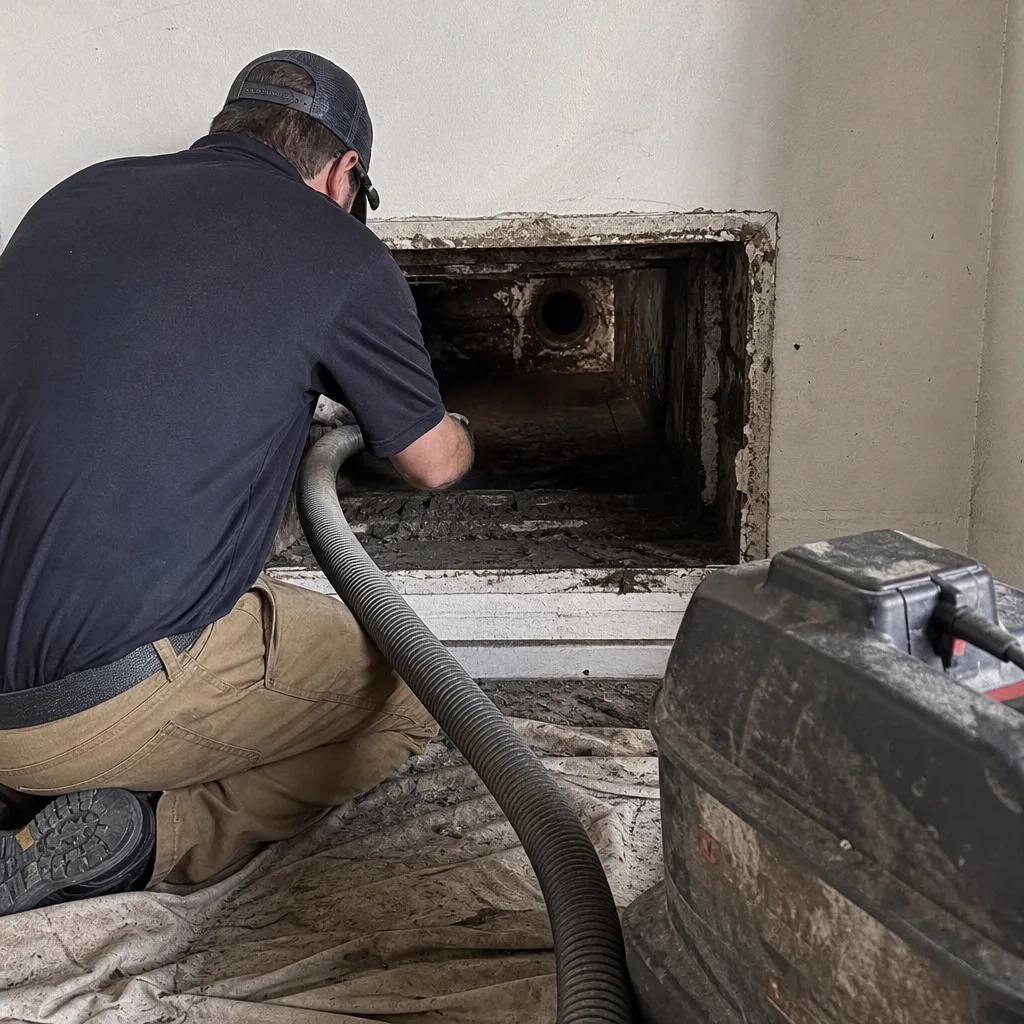 Before
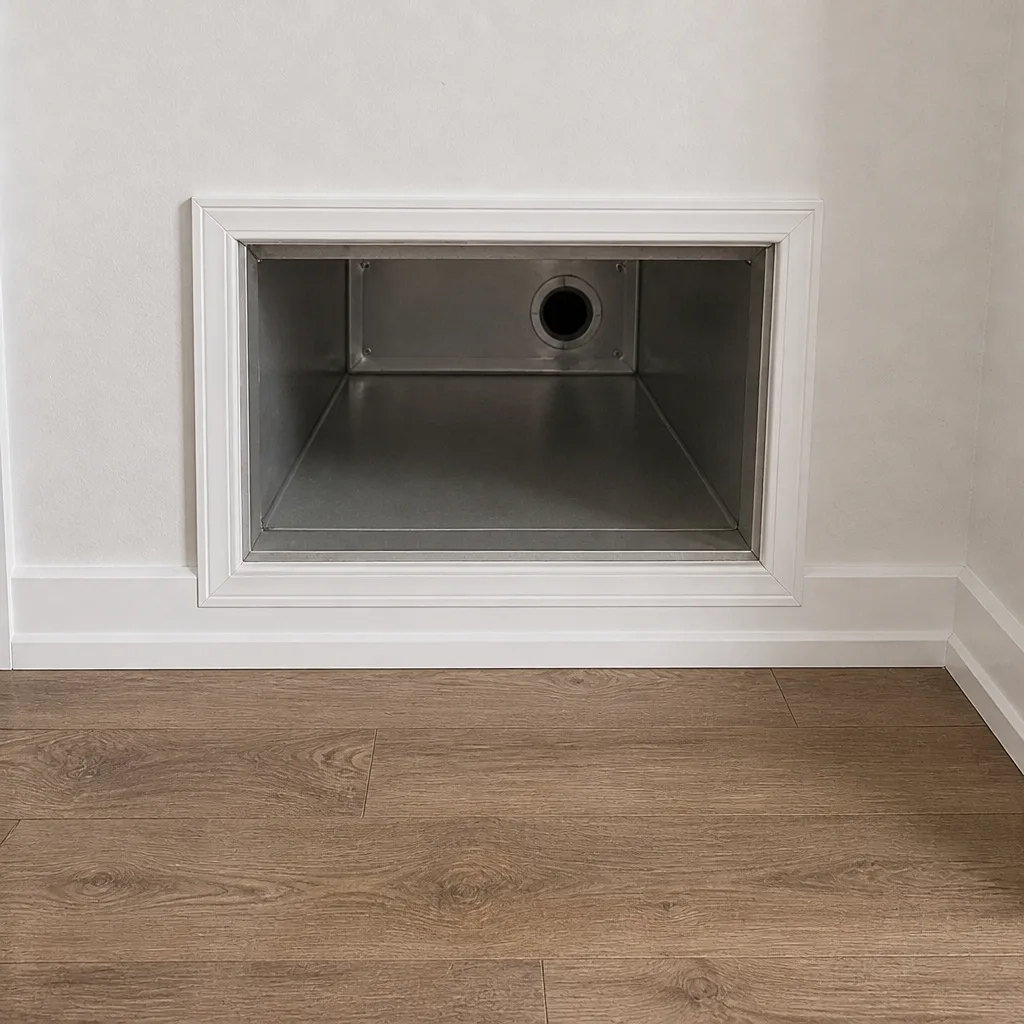 After
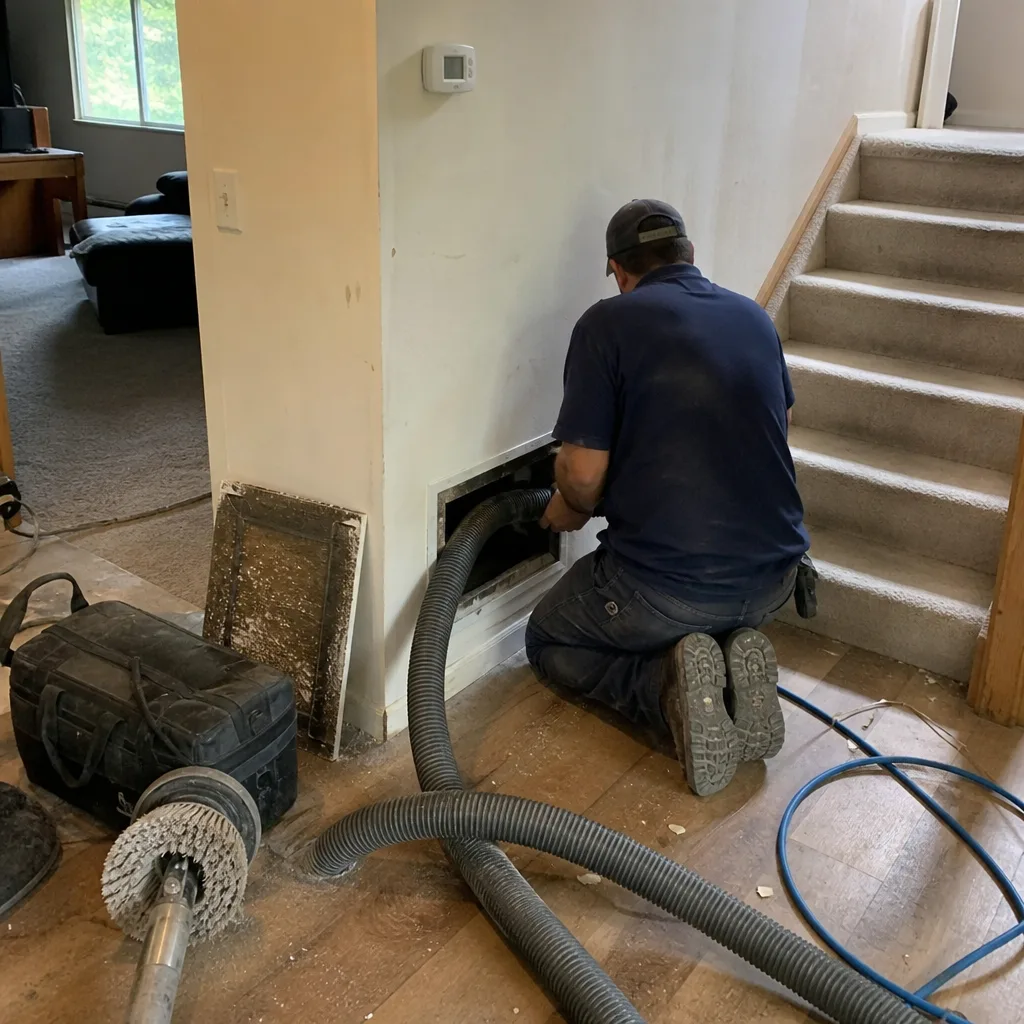 Before
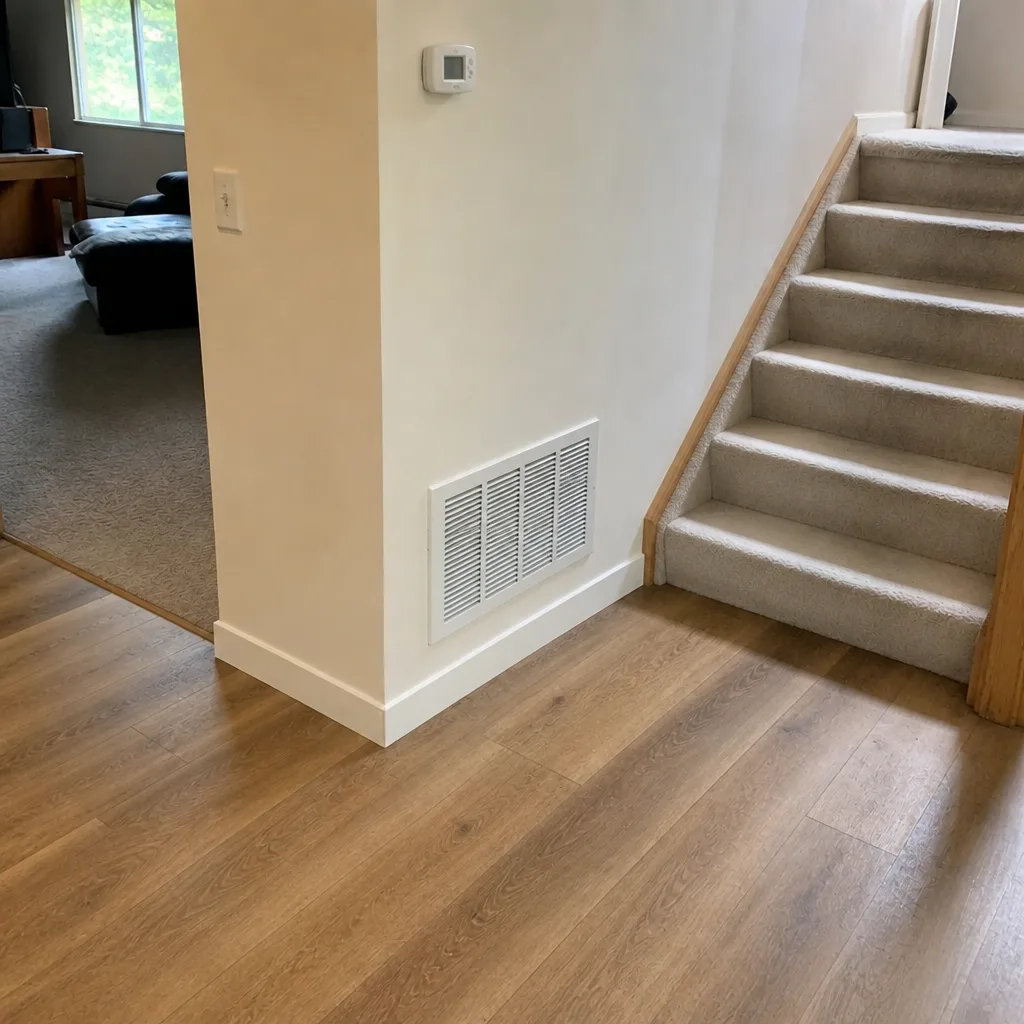 After
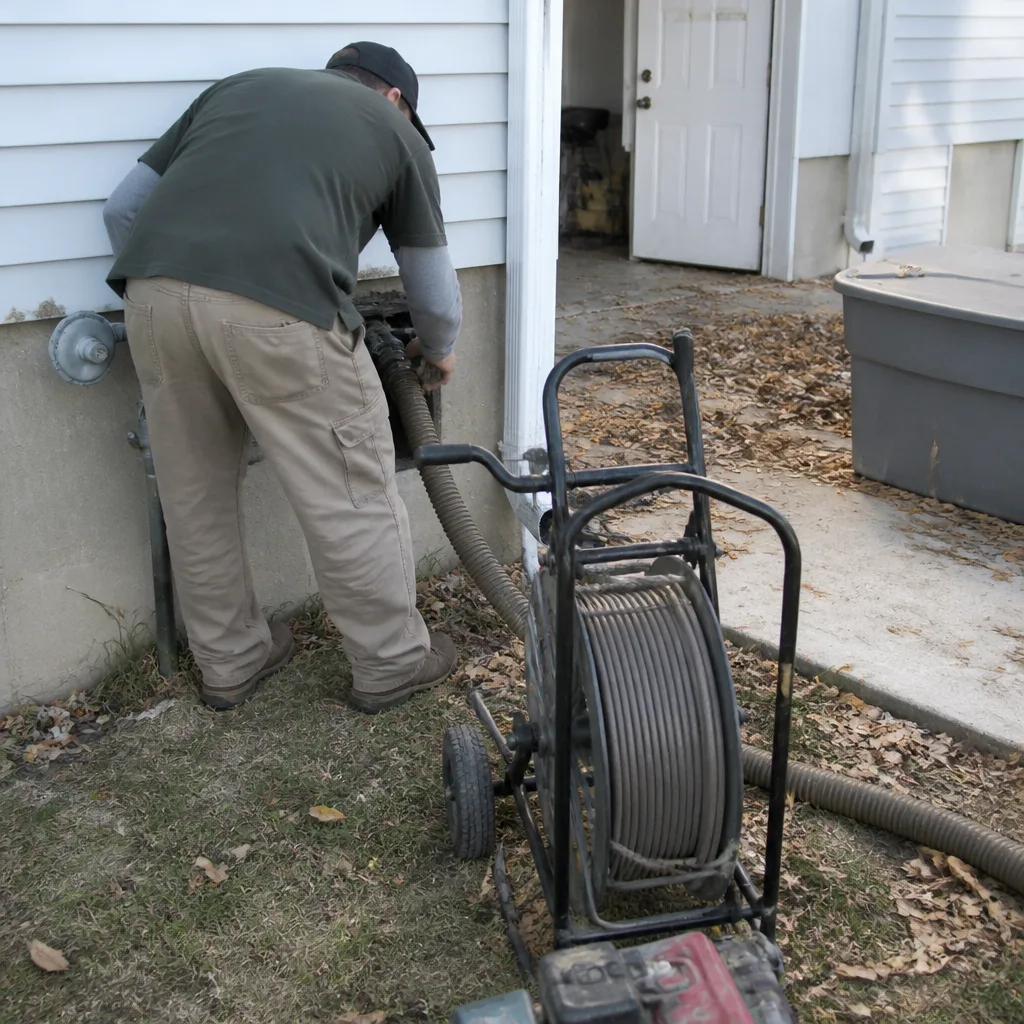 Before
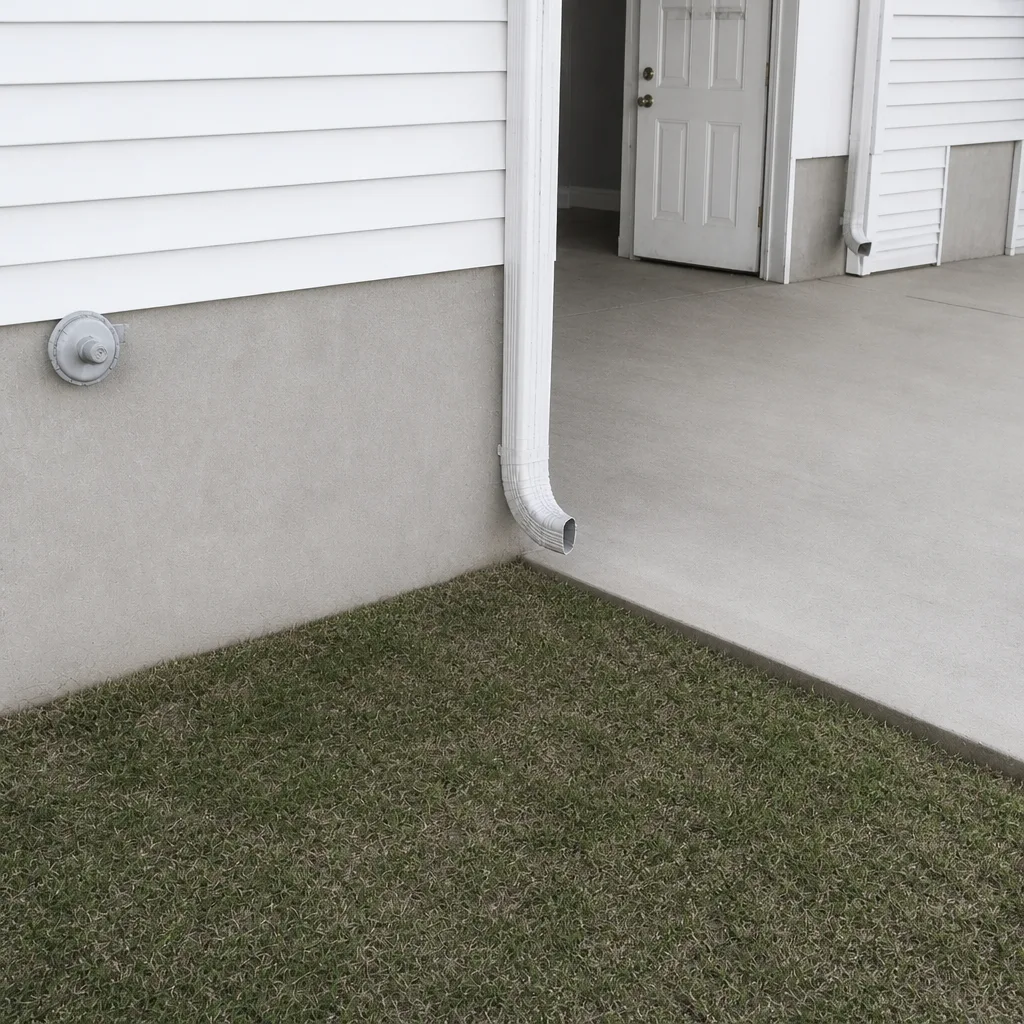 After
When to Call a Professional
Some symptoms mean the ducts need attention. Visible dust streaks on supply and return registers, dust plumes when the furnace kicks on, a musty smell that shows up when the HVAC cycles, or an uptick in allergy symptoms that track with the heating season all point the same direction. If you’ve recently renovated and drywall dust went through the system, that’s a cleaning call. If you’ve never had a dryer vent cleaned, that one is worth scheduling on its own. And if any technician has inspected your ducts and told you they’d need repair, sealing should be done at the same appointment as the cleaning, not separately later.
Midvale Air Duct Cleaning offers free estimates in Midvale. Call (855) 337-0937 to schedule an assessment. Our technicians have up to 13 years of experience, we run Rotobrush and Nikro extraction systems on every job, and the written estimate sets the final price before any work begins.
Frequently Asked Questions
Duct cleaning in Midvale typically runs per system, not per vent, and the written estimate sets the final price. Quotes that arrive per-vent or as a low teaser figure frequently expand on site. Ask for a flat price for the whole system, in writing, before work starts. Call (855) 337-0937 for an exact quote – estimates are free.
The cheaper quote usually reflects entry-level portable equipment with no containment filtration, less agitation time, and no documentation. The difference isn’t a better price for the same job; it’s a smaller job. Call (855) 337-0937 for a free estimate that reflects the actual service scope.
Before-and-after photos of your own ducts, taken at the same locations. That’s the standard. Any contractor running commercial-grade equipment with containment can produce these because they’re documenting their own process. If a contractor can’t, you don’t know what happened. Call (855) 337-0937 and ask what documentation you’ll receive.
Most Midvale homes don’t need it on a rigid schedule. Households with pets, recent renovations, or anyone with seasonal respiratory sensitivity generally benefit every few years; homes with clean records and no symptoms can go longer. The honest answer depends on an inspection, not a sales calendar. Call (855) 337-0937 for a free assessment.
Yes, because it’s one of the very few standards in this trade that’s independently verifiable. Check the NADCA directory before you book. Firm membership and individual certification are different, so ask who’s actually coming to your home. Call (855) 337-0937 and we’ll tell you who’s certified on our team.
On older Midvale homes with sheet-metal ductwork, yes. Cleaning without sealing leaves the leaks that pull outside air into the system and undermine negative pressure during the job. Sealing on the same visit means the cleaning’s gains hold. Call (855) 337-0937 to schedule both in one appointment.
The Bottom Line
Evaluate the contractor, not the brand. Check what machine performs the agitation and what filters the extraction, because entry-level portables can’t match commercial-grade equipment no matter how recognizable the van is. Verify NADCA membership at the directory instead of trusting a badge. Read reviews for process detail rather than generic stars. And hold every contractor to a documentation standard: before-and-after photos of your own ducts and a written record of what was cleaned. In Midvale, ducting condition varies with the housing era, so the contractor who knows the local stock and can clean, seal, and repair in one visit is worth more than any national logo.
Contact
We handle air duct cleaning, dryer vent cleaning, HVAC cleaning, duct repair and sealing, and air quality work as one team, with Rotobrush and Nikro extraction systems and Abatement Technologies containment on every job. The estimate is free, and the written price is set before work starts. Call (855) 337-0937. We answer 24/7. Fast dispatch from 7am to 7pm, Sunday through Friday.
Written by the team at Midvale Air Duct Cleaning.