
Last updated November 23, 2026
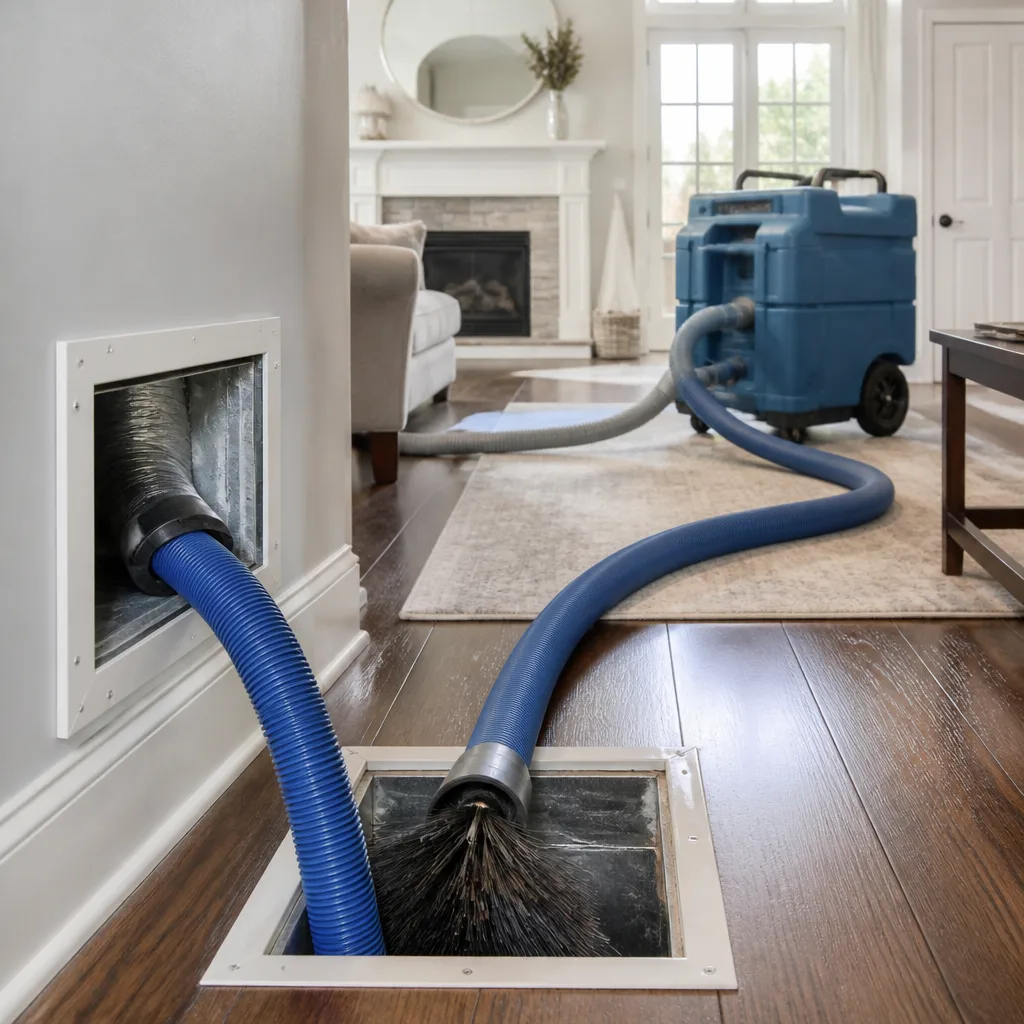 Whole-home duct cleaning
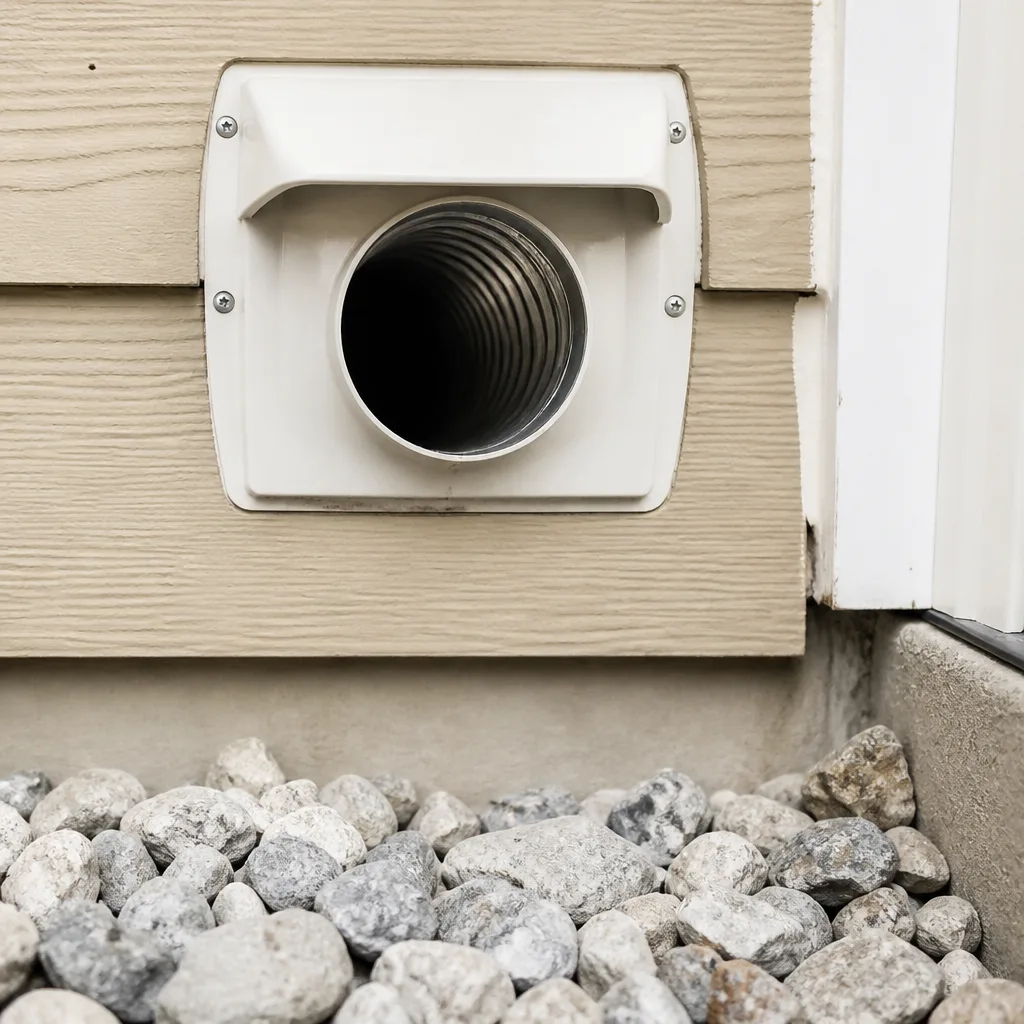 Dryer vent cleaning
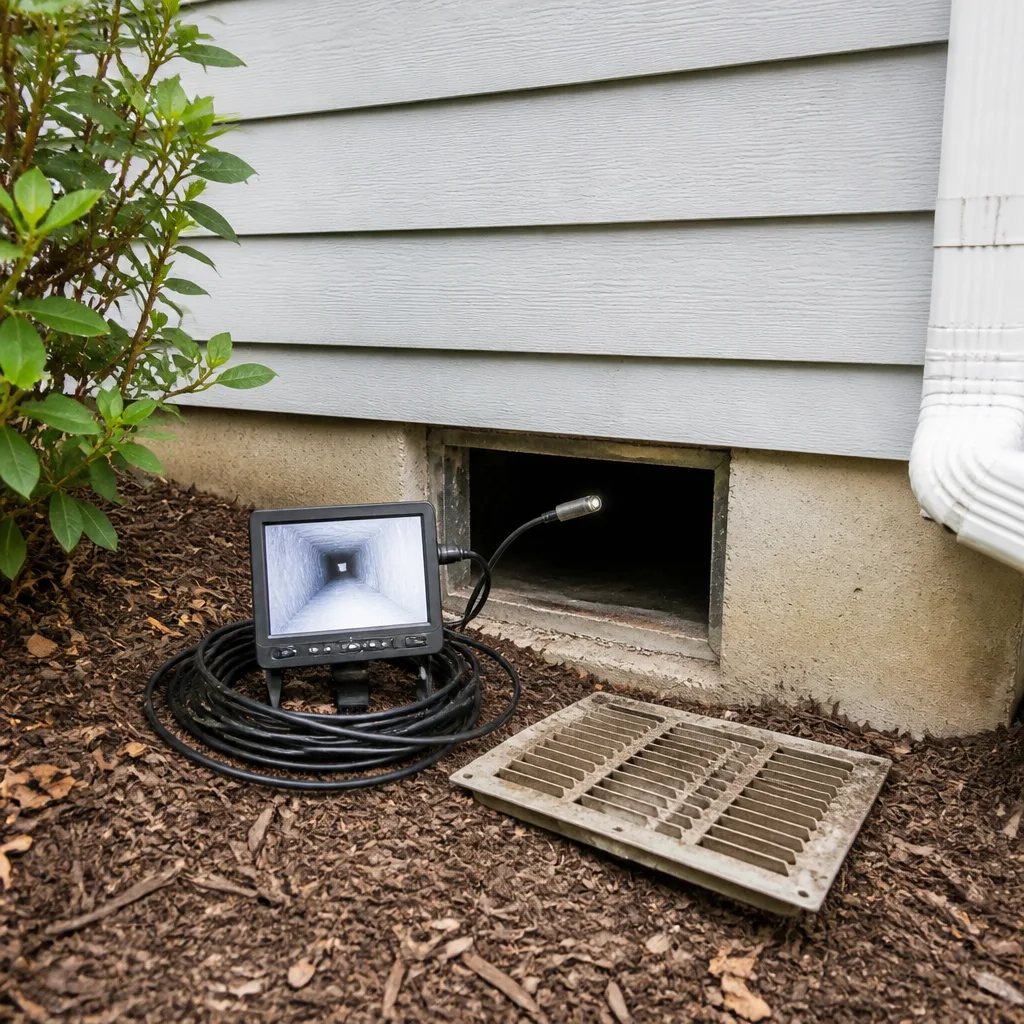 Camera inspection
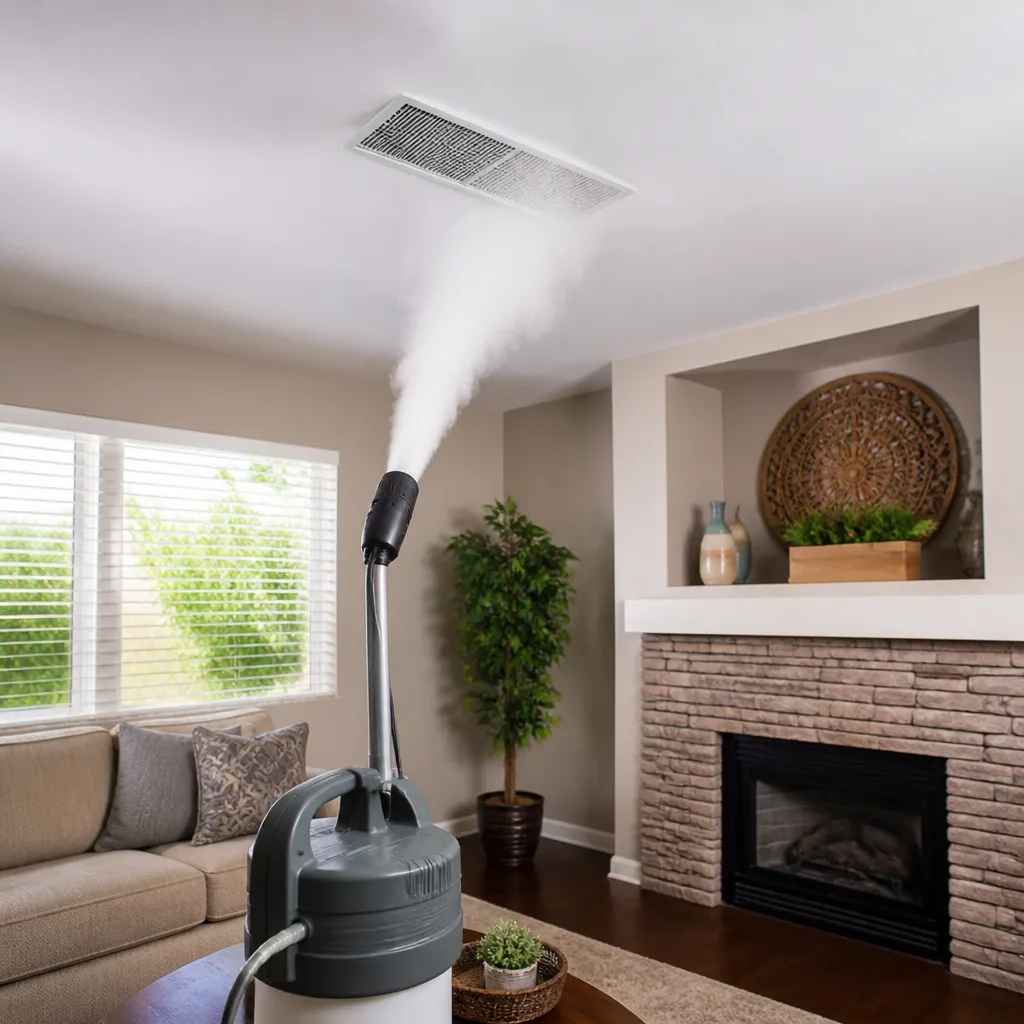 Sanitizing & deodorizing
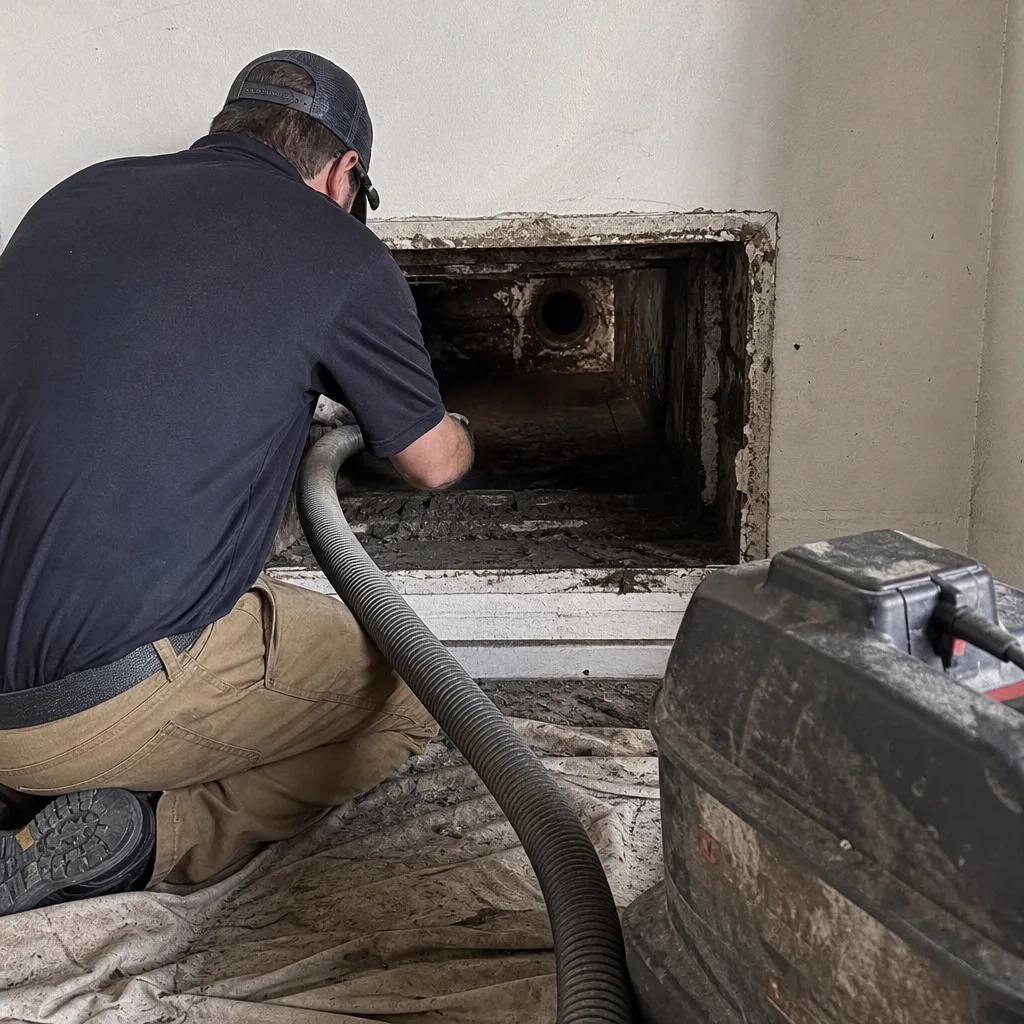
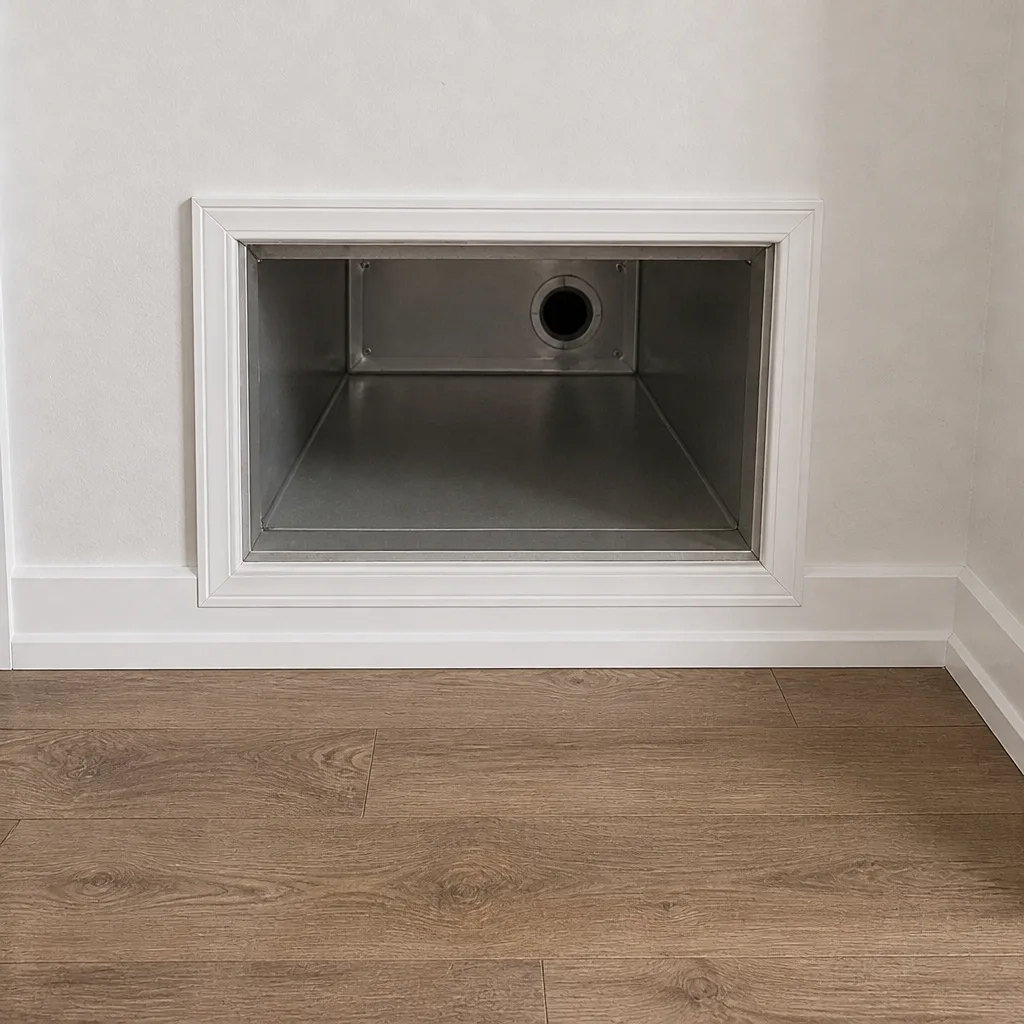
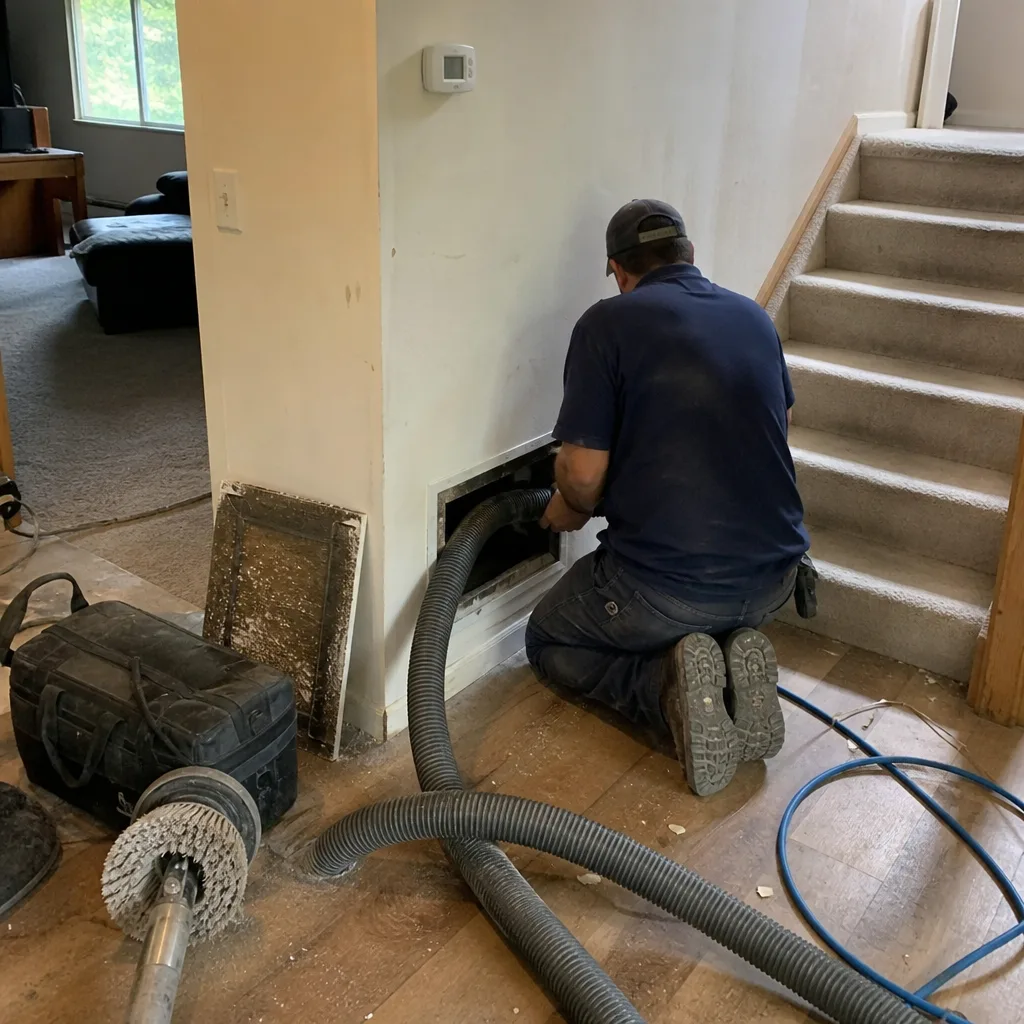
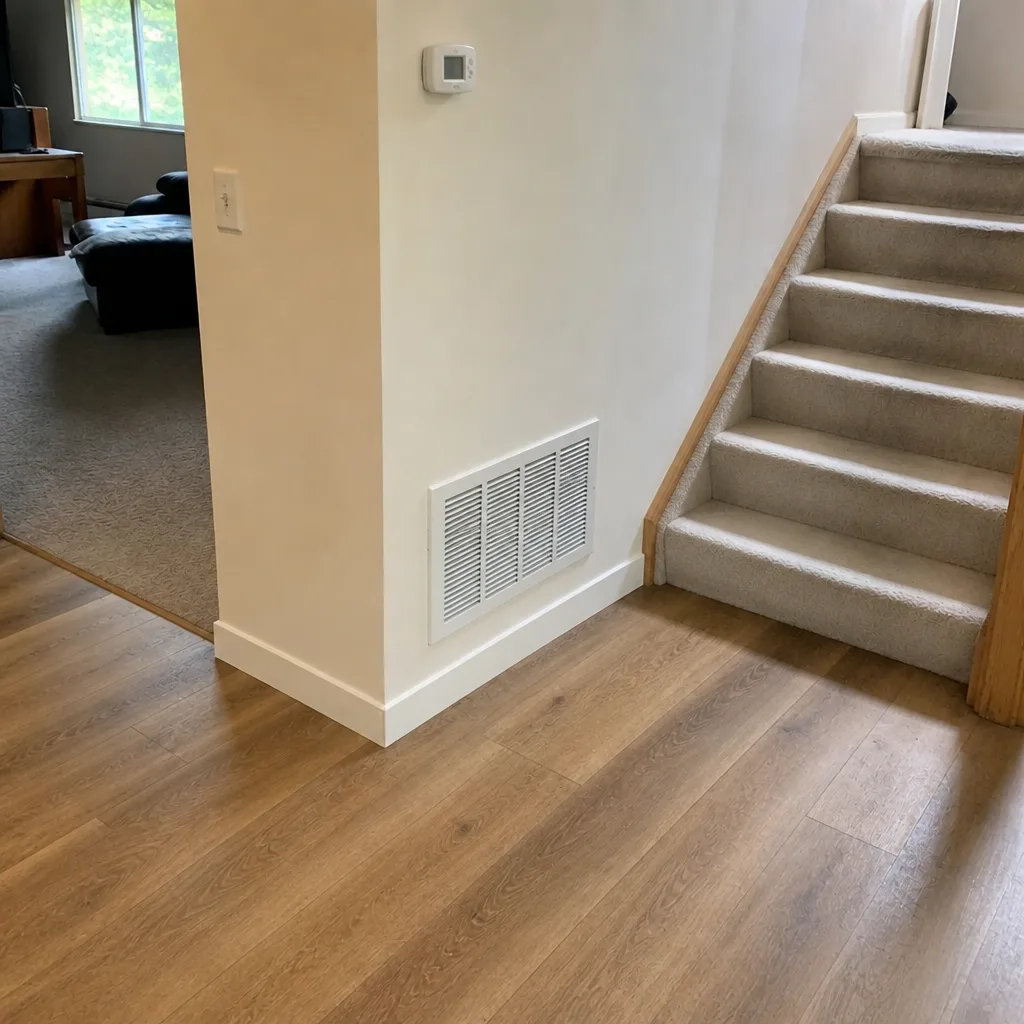
Whole-system duct and dryer vent check with before-and-after photos - you see exactly what came out of your vents
That "$99 whole-house special" is a bait ad - the real number appears once they are in your hallway, or the "clean" is a shop-vac at the register. We photograph the inside of your ducts before and after instead.
The Complete Guide to Air Duct Cleaning in Midvale
Most people assume the dust they see on their vents is the whole story. It isn’t. A clean duct connected to a fouled evaporator coil is like washing your hands and then drying them on a muddy towel. The air passes through every component of the system, not just the ones most companies clean. That’s the single biggest reason homeowners in Midvale call us back saying the cleaning “didn’t make a difference.” It usually did – it just didn’t go far enough. This guide maps the full air pathway, shows you what a thorough job actually involves, and explains what Midvale-specific conditions do to your ductwork.
Quick Answer
Air duct cleaning in Midvale means removing built-up dust, debris, and biological growth from every part of your HVAC air pathway – supply ducts, return ducts, the air handler, the evaporator coil, plenum, and registers – using negative pressure and rotary brush equipment, then documenting the result. Cleaning only the ducts while leaving a dirty coil or leaky plenum behind won’t improve your air quality or your energy bills much. A complete job addresses the whole system, and in Utah that often includes duct repair and sealing.
Styles & brands we work with
- Whole-home duct cleaning
- Dryer vent cleaning
- Camera inspection
- Sanitizing & deodorizing
Table of Contents
- The Full HVAC Air Pathway: Every Node Explained
- What NADCA-Standard Negative Pressure Cleaning Actually Looks Like
- Blow-and-Go vs. Thorough Service: What the Price Difference Tells You
- Midvale-Specific Factors: Inversion Season, Construction Dust, and Hard Water
- How to Verify the Work: What Before-and-After Documentation Should Show
- What a Duct Cleaner Can Legally Touch in Utah, and What Needs a Licensed HVAC Tech
- How Often Do Midvale Ducts Really Need Cleaning?
- How to Choose an Air Duct Cleaning Company in Midvale
The Full HVAC Air Pathway: Every Node Explained
To understand what a real cleaning involves, you have to know how air actually moves through your house. In a typical Midvale home, air returns from the living spaces through return grilles and return ducts, travels to the air handler, passes through the filter and the evaporator coil, gets pushed into the supply plenum, and then out through the supply ducts to every register. Debris accumulates at different rates at each of those points, and each one affects the air you breathe.
Here’s what matters at each node:
- Return grilles and return ducts pull in the most dust because they’re the entry point for everything floating around your rooms. This is where you’ll see visible buildup first.
- The filter slot and filter housing can harbor dust bypassing a poorly seated filter. A filter that doesn’t seal well lets unfiltered air straight past it.
- The air handler cabinet houses the blower and often collects a fine layer of dust on its interior panels. Dust here gets re-suspended every time the fan kicks on.
- The evaporator coil is a dense fin-and-tube assembly that condenses moisture in summer and traps dust like a comb. A fouled coil reduces cooling efficiency and can grow biological material in a damp, dark space.
- The supply plenum is the transition box between the air handler and the branch ducts. It’s frequently the dirtiest part of a system and almost never touched by cheap services.
- Supply ducts and registers carry the conditioned air to each room. Buildup here is the final filter before the air hits your lungs.
When we talk about the difference between cleaning ducts and cleaning a system, this is it. If a technician only brushes the return and calls it done, the coil and plenum are still loaded. The air you breathe is still passing through them. In Midvale, where HVAC systems run hard through long cooling seasons and dry heating winters, that buildup matters for both comfort and the equipment itself.
What NADCA-Standard Negative Pressure Cleaning Actually Looks Like
NADCA – the National Air Duct Cleaners Association – sets the industry standard for source removal, meaning the debris is physically dislodged and extracted, not just loosened into the air. A proper job follows a specific sequence, and knowing the sequence helps you evaluate any quote you get.
Here’s what a full negative-pressure cleaning involves, step by step:
- System inspection and documentation. Before any equipment goes in, the technician surveys the system, notes damage, and takes before photos or video. This is your baseline.
- Containment setup. The work area is protected, and in professional jobs, air filtration equipment runs throughout to capture dislodged particulates. At Midvale Air Duct Cleaning, we use Abatement Technologies filtration to contain debris rather than letting it recirculate into the home.
- Negative pressure connection. A high-volume vacuum – a Nikro or comparable commercial unit – is connected to the system so the entire duct run is under constant negative pressure during cleaning. Nothing escapes.
- Rotary brush agitation. A powered rotary brush (we run Rotobrush and Nikro equipment) travels each duct run, physically scouring the interior walls. Compressed air whips are used as supplements on some runs.
- Source removal at each component. The plenum, air handler cabinet, coil face, and return trunks are vacuumed and brushed individually. This is the step most “blow and go” services skip.
- Sanitizing or fogging (if requested). An EPA-registered sanitizer can be fogged through the system after mechanical cleaning, when biological growth is present.
- Final inspection and after documentation. Photos or video of every cleaned run are captured from the same angles as the “before” shots. That’s your proof.
The whole process takes a few hours for a typical Midvale home. Anyone who promises to do it in forty-five minutes with a shop vacuum is not doing the same job. Your ducts are only as clean as the process behind them.
Blow-and-Go vs. Thorough Service: What the Price Difference Tells You
A “blow and go” service runs compressed air through your ducts and vacuums the dust that puffs out of the returns. It takes under an hour, uses entry-level equipment, and often leaves more debris than it removes because it never reaches the plenum, coil, or the far ends of long runs. Thorough service uses rotary brushing and sustained negative pressure to extract what’s stuck to the duct walls, and it treats the whole system.
So when you see a very low advertised price for air duct cleaning in Midvale, here’s what to ask yourself:
- What equipment will actually be on the job? Commercial-grade rotary brush and vacuum systems are the baseline for real source removal. A shop vacuum cannot generate enough airflow to keep a duct run under negative pressure.
- Is containment part of the process? If the technician doesn’t bring air filtration equipment, anything dislodged is going into your house. Contain it, don’t redistribute it.
- Will the coil and plenum be cleaned? These are two of the most important components. If the quote only covers “ducts,” you’re getting part of a job.
- Are before-and-after photos provided? If not, you have no way to verify what happened.
- Is there a written estimate before work starts? A legitimate contractor sets one flat price for the system after inspecting it. Per-vent pricing and teaser coupons are how bait-and-switch pricing starts.
We don’t compete on the lowest advertised number – we compete on the process behind the number. Commercial-grade equipment, residential pricing, and one flat price per system agreed before work starts. That’s what the quote should look like wherever you get it.
Midvale-Specific Factors: Inversion Season, Construction Dust, and Hard Water
Air duct cleaning isn’t the same job in every city. Midvale has a few local characteristics that change what’s accumulating in ductwork and how often it needs to come out.
Inversion season particulate load
Along the Wasatch Front, winter inversions trap particulate matter close to the ground for days or weeks at a time. Homes in Midvale pull that air through their HVAC systems constantly, and the filter catches some of it – but the rest settles into return ducts, the air handler, and the coil face. By the end of a long inversion season, a system that was clean in October is carrying a finer, denser layer of fine particulates than it would in a city without that seasonal pattern.
Construction dust from rapid development
Midvale has seen a lot of construction over the past few years – new builds, remodels, and road work. Drywall dust, silica, and sawdust from nearby sites don’t stay outside. They enter through doors and windows and get pulled into returns. A home that has undergone its own renovation, or sits next to a project, will often need a cleaning sooner than its regular schedule would suggest. Fine construction dust is especially hard on coils because it mixes with condensation and hardens.
Hard water effects on humidifier components
Most of the Wasatch Front sits on hard water, and that has a specific consequence for homes with whole-house humidifiers attached to the HVAC. Scale builds up on humidifier pads, drums, and water panels, reducing output and eventually causing mineral dust to be distributed into the supply air. If your home runs a Honeywell or Aprilaire humidifier, ask the technician to inspect the water panel and housing as part of the service. Cleaning ducts without addressing a scaled humidifier leaves a particle source running all winter.
Because of these factors combined, we generally see Midvale homes benefiting from a full-system cleaning every three to five years, with more frequent service in homes near active construction or with pets. The honest answer is that frequency depends on your home, not a marketing schedule.
How to Verify the Work: What Before-and-After Documentation Should Show
You should not have to take anyone’s word for it that the ducts were cleaned. Proper before-and-after documentation is the single most useful thing a contractor can provide, and knowing what it looks like helps you ask the right questions before you book.
Here’s what complete documentation includes:
- Photos or video from the same angles. Wide shots of the returns, supply registers, plenum, and coil face before and after. The before and after should be shot at the same distance and angle so the comparison is honest.
- A written summary of what was cleaned. Which runs, which components, whether the coil was brushed or vacuumed, whether sanitizer was applied.
- Any damage found. Cracks in the plenum, disconnected flex runs, crushed ducts – these should be documented, not glossed over.
- Filter condition report. A note on whether the filter was replaced, and what size/MERV rating is appropriate for the home.
- Clear statement of what was not cleaned and why. Sometimes an inaccessible run or a component that needs a licensed HVAC tech gets flagged. Good documentation tells you about it.
At Midvale Air Duct Cleaning, before-and-after photos come standard on every job. It’s the only way you can honestly answer the question “was the work actually done?” after the truck pulls away.
What a Duct Cleaner Can Legally Touch in Utah, and What Needs a Licensed HVAC Tech
Utah doesn’t require a specialized license to perform duct cleaning itself, but it does regulate HVAC work, and there’s a real line between what a duct cleaning contractor can do and what requires a licensed mechanical contractor. Knowing the line prevents surprises.
A duct cleaning contractor can typically:
- Clean supply and return ducts, plenum, air handler cabinet interior, registers, and grilles
- Vacuum and brush the accessible face of the evaporator coil without opening refrigerant lines
- Repair and seal accessible ductwork and plenum joints, including mastic and metal-tape sealing
- Install or replace standard air filters, and clean humidifier components (without touching water supply plumbing alterations)
- Install add-on IAQ products such as a Honeywell or Aprilaire filter media cabinet when the work doesn’t alter the refrigerant circuit
Work that requires a licensed HVAC contractor in Utah:
- Opening the refrigerant circuit (evaporator coil replacement, refrigerant recovery, line set work)
- Electrical work inside the air handler beyond plug-in components
- Gas line work on a furnace
- Any structural change to the mechanical system that requires a permit
What this means practically: when a duct cleaning company tells you your coil needs to come out for a deep clean, that’s HVAC work, and the company doing it should either be licensed to do so or should be clear that they’re not. When you’re comparing quotes in Midvale, ask which portions of the work will be done by the company and which will require a licensed HVAC contractor. Duct Repair & Sealing as a company service means the accessible reachable ductwork gets fixed in the same visit – not that every possible HVAC issue is covered.
How Often Do Midvale Ducts Really Need Cleaning?
Most homes in Midvale need a full-system cleaning every three to five years, with some households needing it more often. That’s the honest range. The industry doesn’t have a fixed rule, and any company that insists on an annual cleaning for every home is selling a schedule, not a service.
Clean sooner than that if:
- You’ve done a remodel or live near active construction
- You have multiple pets shedding into the return air
- Anyone in the home has asthma or allergies that seem worse indoors
- You’ve noticed visible dust puffing from registers when the system starts
- A musty smell appears when the HVAC turns on
- You’ve recently moved into a home and don’t know the previous occupants’ maintenance history
Clean less often if you have a well-sealed system, a MERV 11 or better filter that’s changed on schedule, no pets, no recent renovation, and no allergy sensitivity in the home. Some Midvale homes genuinely go five years between cleanings and don’t need it sooner. We’d rather tell you that than sell you a cleaning you don’t need.
How to Choose an Air Duct Cleaning Company in Midvale
Choosing a duct cleaning company comes down to a short list of concrete questions. The right answers should be easy for a legitimate contractor to give.
- What equipment do you use? The answer should be specific – rotary brushes, HEPA vacuums, negative pressure equipment. If the company can’t name what will be on the job, that’s telling.
- Will you clean the coil and plenum? If yes, how? Ask them to describe the process in plain words.
- Do you use containment equipment during cleaning? Dust should end up in the vacuum, not in your living room air.
- Do you provide before-and-after documentation? Photos or video of the same spot before and after cleaning.
- What is your pricing model? Flat price per system, agreed before work begins. Per-vent pricing and coupon pricing are how the invoice ends up higher than the quote.
- Do you offer duct sealing or repair if you find damage? If a contractor finds a cracked plenum and can only say “call someone else,” you’ll be booking two visits and paying twice.
- What’s in the written estimate? The scope should be spelled out – which components, which services, flat price.
Sealing and repair matter because leaky ductwork is common in Midvale – especially in older homes with original flexible duct sections, and in newer builds where plenum connections weren’t sealed at install. Cleaning a system without addressing leaks leaves efficiency losses behind the cleaning. We don’t just clean – we seal, repair, and protect, so the improvement actually lasts.
Common Mistakes to Avoid
- Buying the cheapest coupon-based quote. The advertised price is often for a partial service, with the true cost revealed after the technician is on site. Ask for a flat, written price per system before booking.
- Not asking whether the coil will be cleaned. A fouled evaporator coil is doing more damage to air quality and energy efficiency than the ducts themselves. If it’s not in the scope, it’s not a complete job.
- Accepting a walkthrough without documentation. No before-and-after photos means no way to verify the work. Insist on documentation.
- Skipping duct sealing after cleaning. Cleaning a leaky duct system is short-lived; dust returns to the ducts from nearby unconditioned spaces through the leaks. Seal the leaks in the same visit.
- Ignoring the humidifier water panel. Hard water in Midvale means scale builds up on humidifier pads and can distribute mineral dust into your supply air. Inspect and replace the water panel when it’s part of the system.
- Scheduling a cleaning right after a renovation without changing the filter first. A loaded filter during construction dust cleanup sends everything downstream again. Change the filter the day of service.
- Assuming a musty smell means ducts only. A smell when the system starts can come from the coil, the humidifier, the drain pan, or a damp filter housing. Inspect the whole system – not just the ducts.
See the difference
 Before
 After
 Before
 After
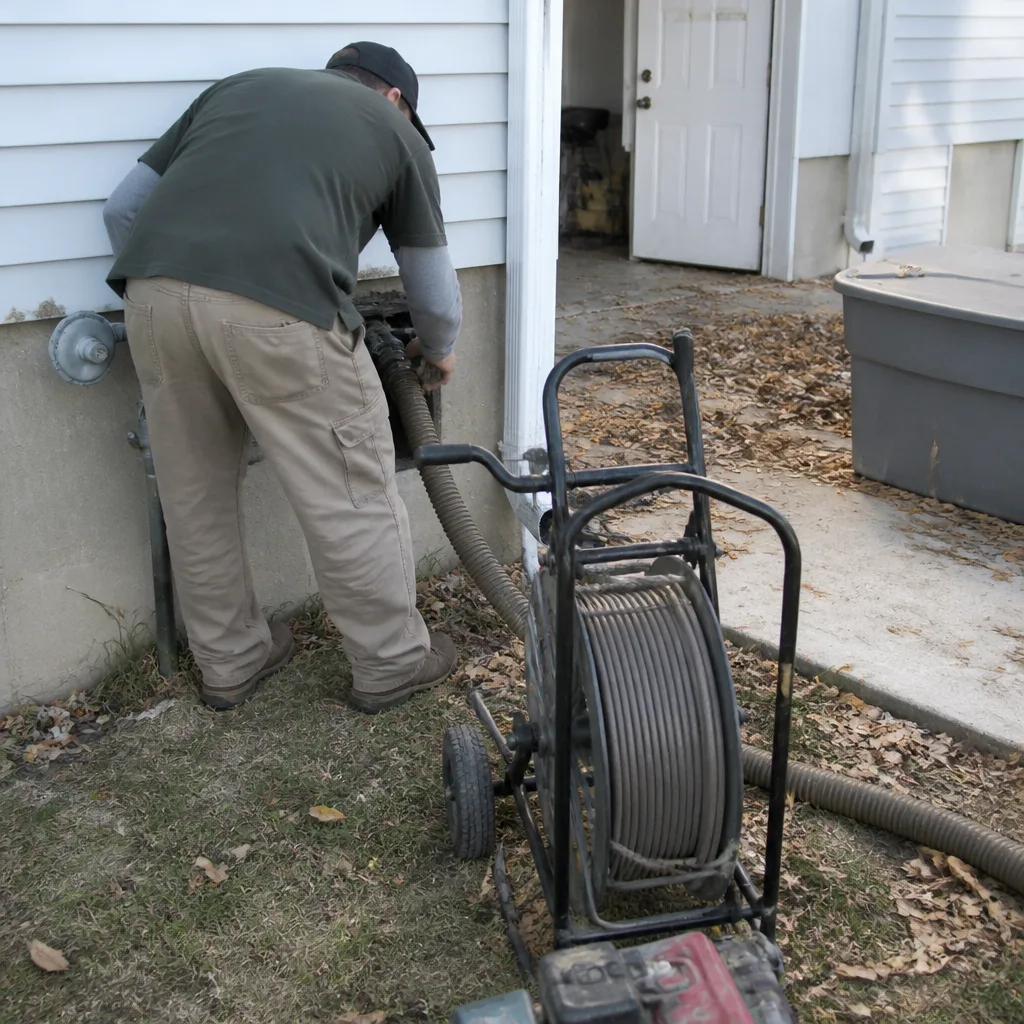 Before
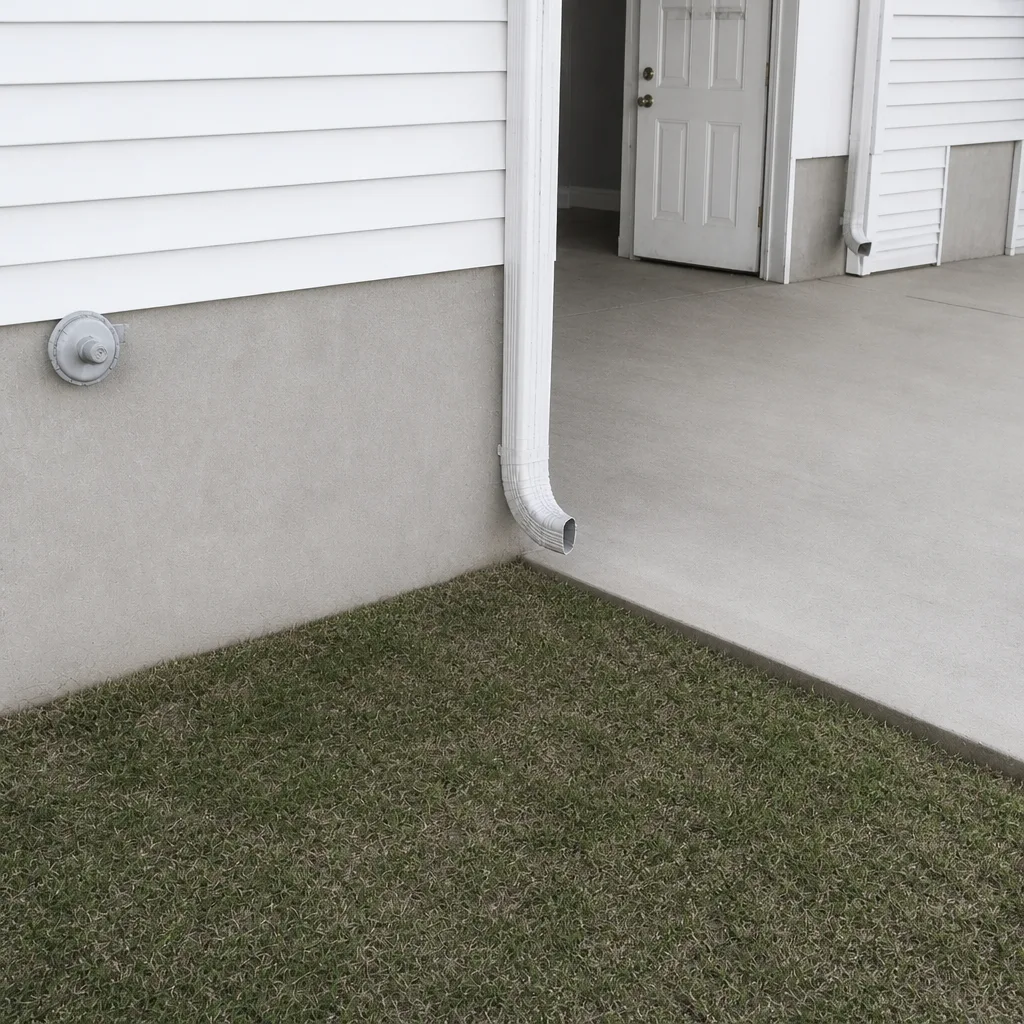 After
When to Call a Professional
Some situations do need a professional on site, and guessing at them from the internet isn’t the same as having someone trained inspect the system. Call a professional if you’ve noticed visible mold growth on registers or inside duct openings, if you smell musty air every time the HVAC kicks on, if you’ve found disconnected or crushed duct runs in a crawl space or attic, if you’ve had a renovation and the vents are visibly dusty, if you have a dryer vent that hasn’t been cleaned in years, or if your energy bills have crept up without any other explanation. In any of those cases, a professional inspection is worth the phone call. Midvale Air Duct Cleaning offers free estimates in Midvale – call (855) 337-0937. We answer 24/7. Fast dispatch from 7am to 7pm, Sunday through Friday.
Frequently Asked Questions
Most full-system cleanings in Midvale fall within a typical range, and the final price is set by a written estimate after the technician inspects the system. The range depends on the number of runs, the accessibility of the system, whether the coil and plenum are included, and whether duct sealing is added. We quote one flat price per system – not per vent – so you know the total before work starts. Call (855) 337-0937 for an exact quote – estimates are free.
Because they’re usually for a smaller scope, a lower-powered piece of equipment, or a partial service that doesn’t include the plenum and coil. A very low advertised price often turns into a larger invoice once the technician is at the door and starts finding “extras.” Ask every company the same short list of questions: what equipment, what gets cleaned, is containment used, are before-and-after photos provided, and is the price flat per system. Call (855) 337-0937 for an estimate that includes the full scope in one number.
Before-and-after photos from the same angles, plus a written scope of what was cleaned. If a company doesn’t provide documentation, you have no way to verify the result after the truck pulls away. We photograph each system at multiple points before and after cleaning and leave the documentation with the customer. Call (855) 337-0937 to schedule a documented cleaning.
Every three to five years for most homes, with more frequent service for households with pets, recent renovations, nearby construction, or allergy sensitivity. A home with a well-sealed duct system and a good filter changed on schedule can go the longer end of that range. If a company is insisting on annual cleaning no matter what, ask why. Call (855) 337-0937 for an honest assessment of what your home actually needs.
We can, but we’ll tell you why we don’t recommend it before you make the call. Cleaning ducts while leaving a fouled evaporator coil, a dusty plenum, and loaded humidifier components untouched means the air still passes through every dirty component on the way to the register. If budget is a factor, a partial cleaning now and a full-system cleaning later is honest. Cleaning only the ducts and hoping the air gets better is not. Call (855) 337-0937 to talk through the options.
Not exactly. Dryer vents are smaller, tighter, and the buildup is lint – which is a fire risk, not just a comfort issue. The equipment we use is purpose-built for dryer vent runs, with the same discipline of negative pressure and physical agitation. Dryer vent cleaning is a dedicated service, not an add-on that a duct cleaning technician does with leftover hose. Call (855) 337-0937 to book both services in one visit if your home needs them.
The Bottom Line
Midvale homes don’t have dirty ducts – they have dirty systems, and the ducts are only one part of the story. A complete job covers every node in the air pathway: return ducts, filter slot, air handler, coil, plenum, supply ducts, registers, and any attached humidifier. It uses rotary brush and sustained negative pressure, runs containment equipment during the work, and leaves you with documented before-and-after evidence that the work was done. Duct Repair & Sealing in the same visit fixes the leaks that would otherwise undo the cleaning in a couple of years. If you want the full system addressed in one visit – cleaning, sealing, and IAQ recommendations from a team that handles all five service categories without subcontracting – we’re here to talk it through.
Call Midvale Air Duct Cleaning at (855) 337-0937 for a free estimate. We answer 24/7. Fast dispatch from 7am to 7pm, Sunday through Friday. We also handle air duct cleaning, dryer vent cleaning, and HVAC cleaning as standalone services when that’s the right scope for a home.
Written by the team at Midvale Air Duct Cleaning.