
Last updated November 23, 2026
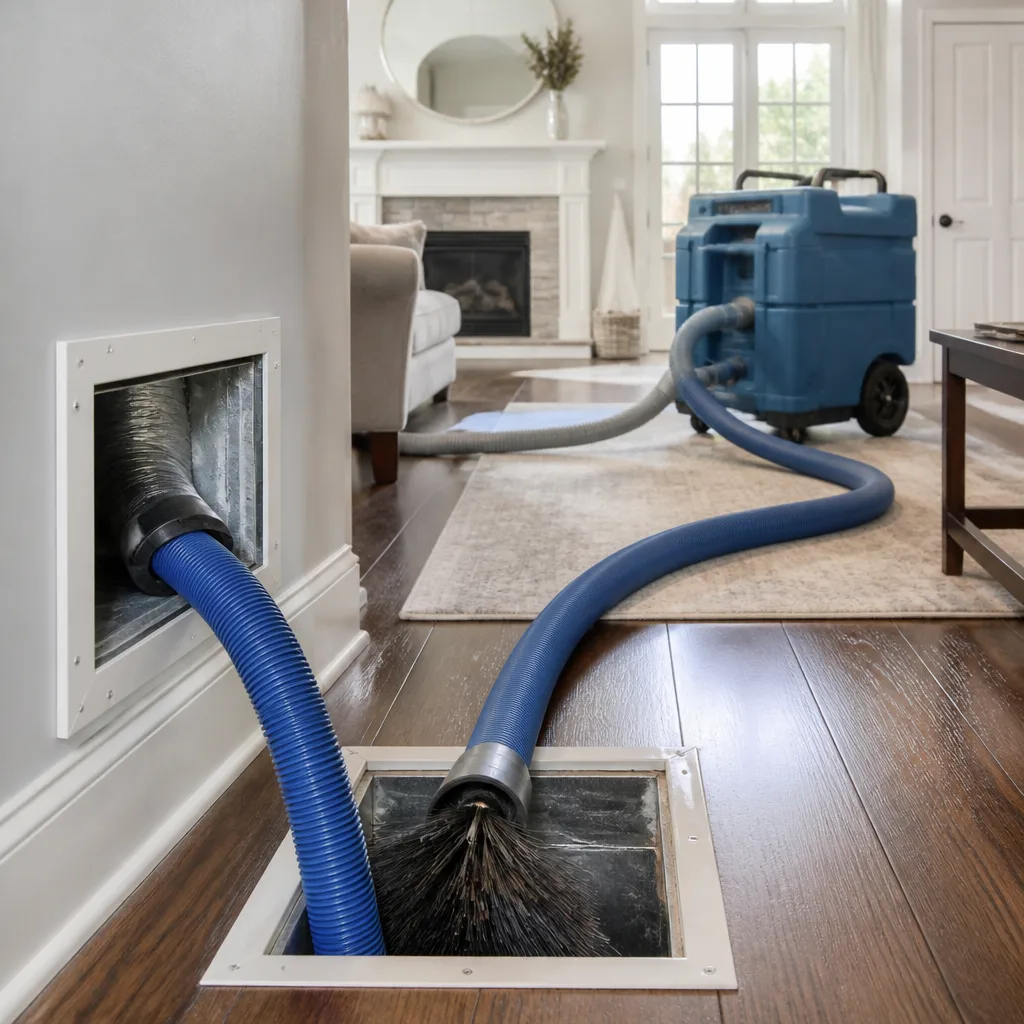 Whole-home duct cleaning
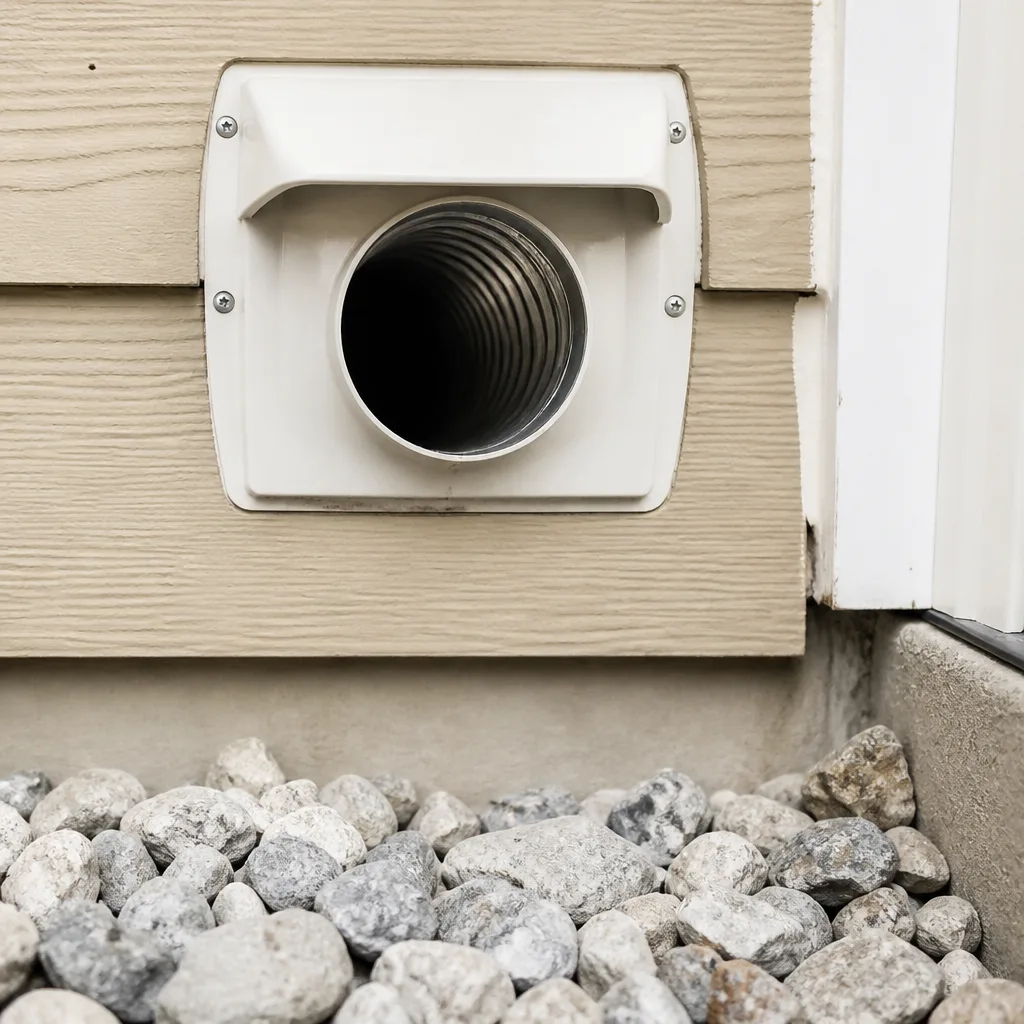 Dryer vent cleaning
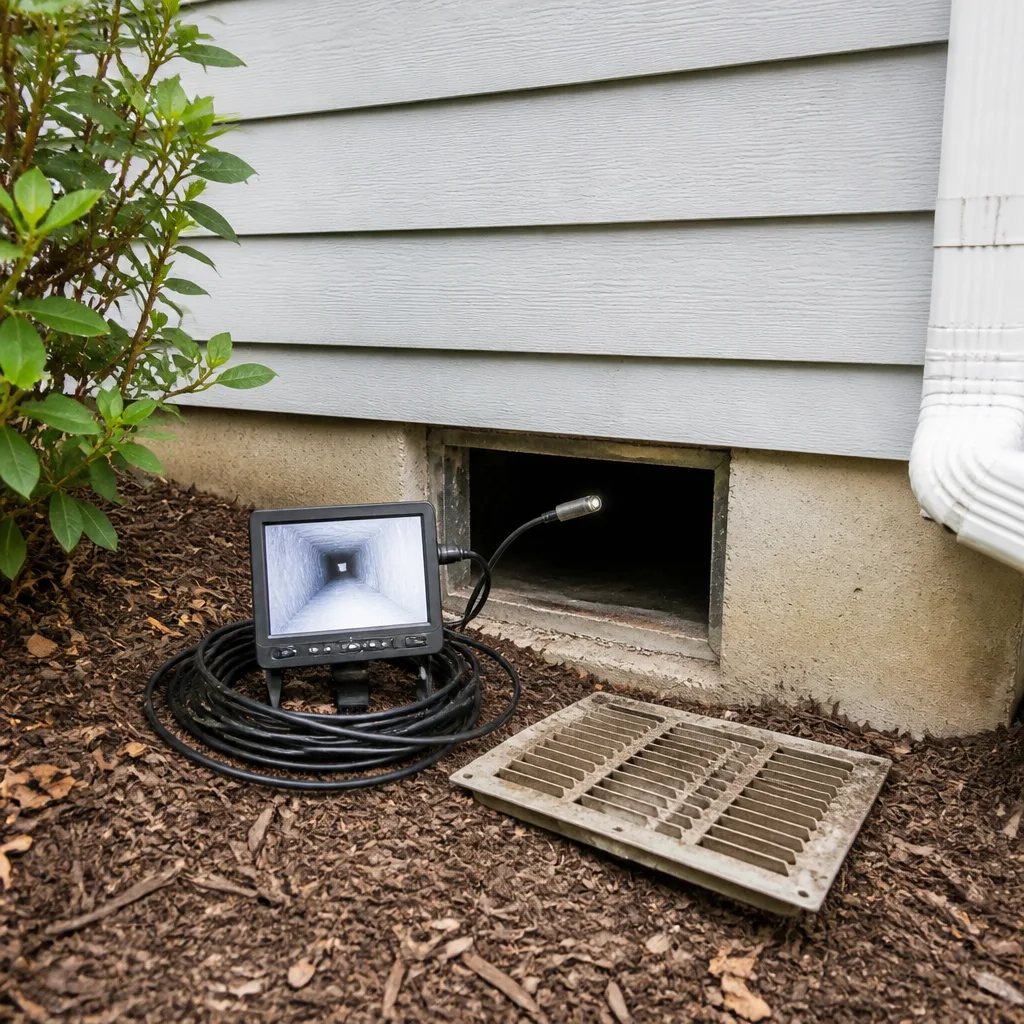 Camera inspection
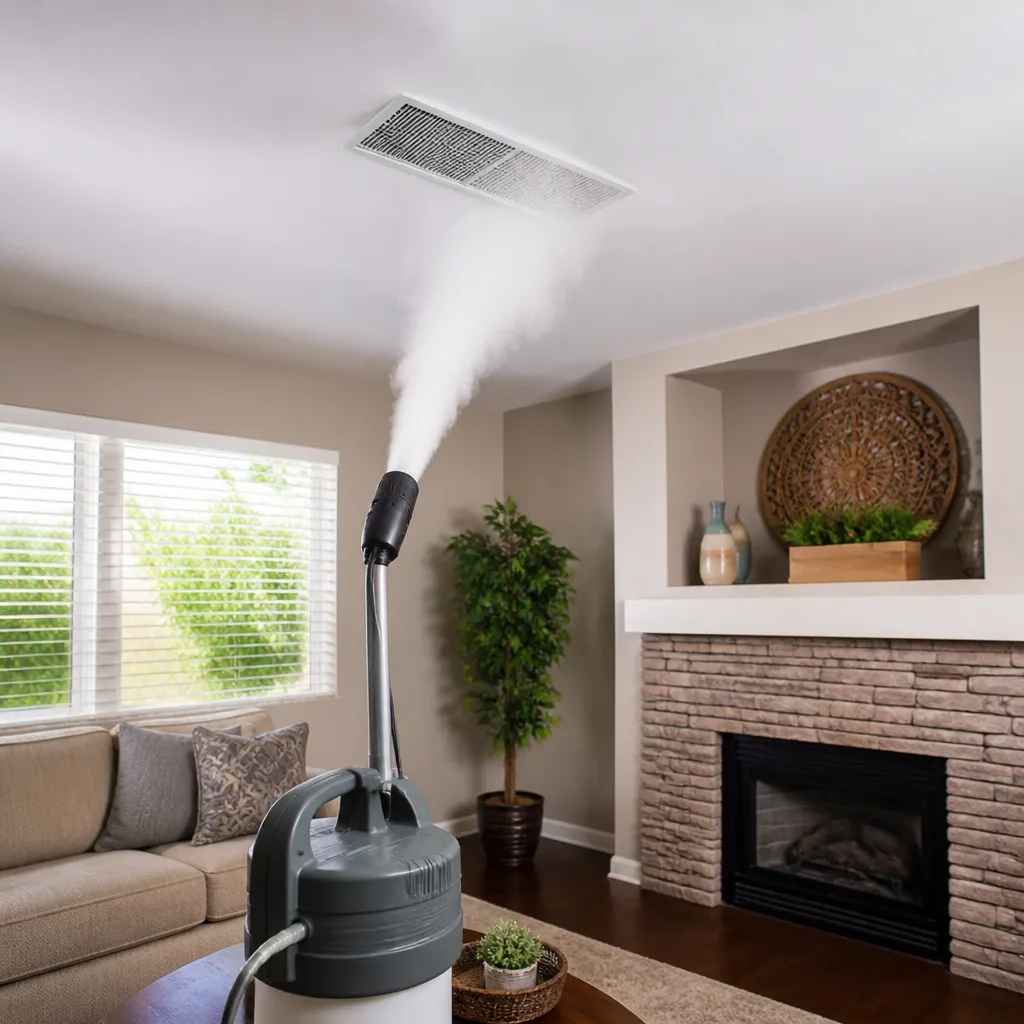 Sanitizing & deodorizing
Whole-system duct and dryer vent check with before-and-after photos - you see exactly what came out of your vents
That "$99 whole-house special" is a bait ad - the real number appears once they are in your hallway, or the "clean" is a shop-vac at the register. We photograph the inside of your ducts before and after instead.
Air Duct Cleaning Troubleshooting in Midvale: Common Problems and How to Fix Them
If your home still smells musty two weeks after a duct cleaning, the technician likely cleaned the accessible trunk lines and skipped your branch ducts entirely. That shortcut is more common than any company will admit. Here’s the counterintuitive part: most “duct cleaning didn’t work” complaints in Midvale aren’t proof that cleaning fails. They’re diagnostic clues. Persistent dust, uneven airflow, and odors that return are your system telling you where the original job stopped short, or that a mechanical problem was never a cleaning problem to begin with. This guide teaches you to read those clues and respond correctly, so you stop paying for the same cleaning twice and start fixing the actual cause.
Quick Answer
If air duct cleaning didn’t work in your Midvale home, the cause is usually one of three things: the original cleaning skipped branch ducts or used equipment too weak to extract debris, the odor is coming from a contaminated evaporator coil or drain pan rather than the ducts, or a leaky or collapsed duct is undercutting your airflow no matter how clean the inside is. Diagnosing which one you’re dealing with takes a white cloth, a flashlight, and about ten minutes at your registers.
Styles & brands we work with
- Whole-home duct cleaning
- Dryer vent cleaning
- Camera inspection
- Sanitizing & deodorizing
Table of Contents
- Is It a Failed Cleaning or a System Problem?
- Why Does the Musty Smell Come Back After Cleaning?
- The White Cloth Test: Reading What Your Registers Tell You
- Uneven Airflow After Cleaning: Dampers, Collapse, and Duct Repair
- Why Equipment Grade Decides Whether Debris Leaves or Circulates
- The Return Side Nobody Checks
- When the Problem Isn’t Your HVAC Ducts at All
Is It a Failed Cleaning or a System Problem?
Most homeowners assume a disappointing result means the cleaning was done badly. Sometimes it was. But often the cleaning was fine and the system has a separate problem that no amount of brushing and vacuuming will solve. The skill is telling them apart before you spend money again.
Start with what changed and what didn’t. A proper cleaning removes accumulated debris from the duct interior. It does not seal leaks, resize an undersized return, reopen a closed damper, or fix a disconnected run. So ask yourself: did the dust settle back within days, or was it never really gone? Did one room stay weak while the rest improved? Did an odor disappear for a week and then return?
Here’s how the two categories usually split:
- Failed or incomplete cleaning: dust returns across the whole house within days, registers still show visible debris when you wipe them, or the technician never touched the branch runs feeding individual rooms.
- System problem: one or two rooms are consistently weak while others are fine, the system runs longer than it used to, you hear whistling or rushing at certain registers, or a room is dusty even when the HVAC is off.
That second list points to duct leakage, undersized returns, or disconnected runs. In Midvale’s older housing stock, where finished basements and retrofitted additions often hide long, flex-duct runs, leaks and crushed sections are common. Cleaning a leaky duct system is like mopping a floor with the window open: the work is real, but the losses continue. That’s why a full-system approach pairs cleaning with duct repair and sealing, so the efficiency you paid to recover stays recovered. If your registers are still gritty after a recent cleaning, it’s worth having the whole system looked at rather than booked for another pass. Call (855) 337-0937 for a free estimate.
Why Does the Musty Smell Come Back After Cleaning?
A musty odor that returns within days or weeks of a cleaning almost never means the ducts were re-contaminated that fast. It usually means the smell was never in the ducts to begin with. The most common source is the evaporator coil and the drain pan beneath it.
The coil sits wet for much of the cooling season. Condensate drips into a pan, and if that pan holds standing water or collects biofilm, the air moving across it picks up that smell and delivers it to every room. Cleaning the ducts downstream of a contaminated coil is like cleaning a room while the window stays open to a swamp. The smell keeps coming back because the source keeps producing it.
Signs the coil or drain pan is your culprit:
- The smell is strongest right when the system starts up, then fades during a long run.
- It’s worse in cooling season than heating season.
- It smells earthy or like a damp basement rather than like dust or chemicals.
- You notice it near the air handler closet more than at distant registers.
What actually resolves it is HVAC cleaning that includes the coil and drain pan, not just the duct runs. That’s a different job than duct cleaning, and it’s one reason we treat HVAC cleaning as its own service category. Once the coil and pan are clean and draining properly, the musty smell usually stops returning. If it still comes back after that, the next place to look is the return duct and the filter slot, which we cover further down.
One more note for Midvale: our dry summers and cold winters mean many homes run the fan continuously for air circulation. That’s fine for comfort, but it also means any contamination on the coil gets distributed constantly rather than only during cooling calls.
The White Cloth Test: Reading What Your Registers Tell You
You can learn a lot about where your dust is coming from with a white cloth and ten minutes. This isn’t a substitute for a professional inspection, but it tells you whether the problem is upstream in the system or right at the register itself.
- Run the system on fan only for five minutes. You want steady airflow without heating or cooling cycling on and off.
- Hold a clean white cloth loosely over a supply register. Don’t press it flat; let air pass through the fabric.
- Hold it there for two full minutes. Then look at the cloth in good light.
- Repeat at three or four registers around the house, including one in the room you consider the dustiest.
- Compare the results. A light, even gray tint is normal. Heavy dark deposits, grit, or visible fibers are not.
Now read the pattern. If every register tints the cloth heavily, the debris is coming from upstream: the return side, the air handler, or the trunk lines. If only one or two registers do, the problem is local to those branch runs, which often means a crushed or disconnected duct feeding that room. And if the cloth stays nearly white at every register but the room is still dusty, your dust is likely coming from inside the room itself, not from the ducts.
That last result surprises people. Dust on a bedroom dresser in a Midvale home with carpets, pets, and windows open in summer often has nothing to do with the duct system. Wiping a register and finding gray film is normal; finding grit that feels like sand is not. The cloth test separates the two before you pay for another cleaning.
Uneven Airflow After Cleaning: Dampers, Collapse, and Duct Repair
If one room was weak before the cleaning and still weak after, cleaning was never going to fix it. Airflow is a mechanical problem, and it needs a mechanical answer. Cleaning removes debris; it doesn’t restore a duct that’s crushed, disconnected, or closed off.
The usual causes of uneven airflow in Midvale homes, roughly in order of how often we find them:
- A closed or partly closed damper. Some homes have balancing dampers in branch runs, and a previous owner may have shut one to redirect air. Check any visible handles in the basement or mechanical closet first; it’s the cheapest fix there is.
- Crushed flex duct. Flexible duct that’s been stepped on, pinched behind drywall, or bent too sharply loses most of its capacity. This is common where runs were added during a remodel.
- A disconnected run. A joint that’s pulled apart dumps conditioned air into a crawlspace or wall cavity. The room gets almost nothing, and your energy bill quietly climbs.
- An undersized return. If the return can’t bring air back fast enough, the whole system starves, and the farthest rooms suffer first.
None of these get better with a second cleaning. What they need is inspection and then repair and sealing. Sealing the leaks and reconnecting or replacing the damaged run is often the difference between a room that’s livable in July and one that isn’t. Because we handle duct repair and sealing as part of the same service visit, you’re not left with a clean system that still underperforms, and you’re not chasing a second contractor to finish the job. If a room in your Midvale home never gets comfortable no matter how clean the ducts are, describe it to us and we’ll tell you what’s worth checking. Call (855) 337-0937 for a free estimate.
Why Equipment Grade Decides Whether Debris Leaves or Circulates
This is the part of duct cleaning most homeowners never see, and it explains a lot of disappointing results. The difference between a thorough cleaning and a cosmetic one is usually the equipment, specifically whether the machine creates enough negative pressure to pull debris out of the system while a brush knocks it loose.
Think about what’s actually happening inside the duct. A rotary brush dislodges caked dust from the walls. If the vacuum attached to that brush is strong enough, the debris travels out of the house. If it isn’t, the debris simply becomes airborne inside the duct and gets pushed out through your registers into the rooms. That’s redistribution, and it can leave a home dustier for a few days than it was before the cleaning. A low-powered portable setup on a home with a heavy dust load will redistribute more than it removes.
What to ask before you book any cleaning:
- What equipment will be used, and is it rotary brush plus high-capacity negative pressure or just a vacuum hose?
- Is containment used during the work so dislodged particles don’t drift through the house?
- Will every branch run be cleaned, or only the trunk lines?
- Will you show before-and-after photos of my own ducts?
We run Rotobrush and Nikro rotary brush and extraction systems, equipment built for commercial-scale debris loads, and we deploy Abatement Technologies air filtration during service so particles get contained rather than recirculated through your living space. That containment step is something most residential cleaners skip entirely, and it’s the reason a good job doesn’t leave a dust cloud behind. Your ducts are only as clean as the process behind them. If a quote doesn’t answer those four questions clearly, that silence is your answer. For a straight explanation of what a full-system air duct cleaning involves here, call (855) 337-0937 for a free estimate.
The Return Side Nobody Checks
Almost every duct cleaning conversation focuses on the supply registers blowing air into rooms. But dust you see settling on furniture often enters the system through the return side, and a return that wasn’t cleaned properly will recontaminate everything downstream within weeks.
The return system includes the grilles, the return ductwork, the filter slot, and the air handler cabinet. Each is a place where dust accumulates and where shortcuts show up fast:
- Return grilles collect a thick mat of lint and dust that a supply-side-only cleaning never touches.
- The filter slot often has a gap that lets unfiltered air bypass the filter entirely, coating the air handler and coil in dust.
- The return plenum is where a lot of the visible dust load actually lives.
- The air handler cabinet can hold debris that gets blown back through the system every time the fan runs.
If your home got dustier within days of a cleaning, check the return grille first. Pull it and look at the fins; if they’re matted, that side wasn’t done. This is also where a filter upgrade helps, and it’s why we install Honeywell and Aprilaire filtration and IAQ products rather than just clean and leave. A properly sized filter with a sealed slot keeps the system cleaner between services, which is the whole point.
For property managers in Midvale handling multiple units, the return side is where you’ll find the biggest gap between what was billed and what was actually done. Walk one unit and pull a return grille before you approve an invoice for the next one.
When the Problem Isn’t Your HVAC Ducts at All
Sometimes the “duct problem” isn’t in the HVAC system. A dryer vent that’s clogged with lint produces heat, humidity, and a faint burnt smell that homeowners sometimes mistake for an HVAC issue, and it’s a genuine safety concern rather than a comfort one.
Lint accumulates in the vent run and restricts airflow. The dryer runs longer, the exhaust gets hotter, and the risk climbs. Signs worth acting on:
- The dryer takes noticeably longer than it used to for the same load.
- Clothes come out hot but still damp.
- The exterior vent flap doesn’t open fully, or you feel weak airflow at it.
- There’s a musty or scorched smell near the dryer.
- Lint is visible around the vent connection behind the machine.
We treat dryer vent cleaning as a dedicated fire-safety service, not an add-on tacked onto a duct job. It’s a separate system with a separate risk profile, and it deserves its own inspection. If you’ve been troubleshooting odors or humidity and the HVAC side checks out, the dryer vent is the next place to look. For a free estimate on either service, call (855) 337-0937. We answer 24/7. Fast dispatch from 7am to 7pm, Sunday through Friday.
Common Mistakes to Avoid
- Booking a second cleaning to fix a mechanical problem. If one room is weak because a duct is crushed or a damper is closed, another cleaning changes nothing. Diagnose the airflow issue before you pay again.
- Judging a cleaning by what you can see at the register. A register wipe tells you almost nothing about the trunk lines and return plenum. Ask for before-and-after photos of the actual duct interior instead.
- Choosing on price alone without asking about equipment. A quote that doesn’t mention rotary brush, negative pressure, or containment is likely a shop-vac-and-hose job. That’s how debris gets redistributed rather than removed.
- Ignoring the return side. Supply-only cleaning leaves the biggest dust reservoir untouched. Pull a return grille and look before you sign off on the work.
- Assuming a returning musty smell means the ducts are dirty again. In Midvale homes, it usually points to the evaporator coil or drain pan. That’s an HVAC cleaning job, not a duct cleaning repeat.
- Letting a filter slot gap go unfixed. If unfiltered air bypasses the filter, the system re-dirties itself constantly. Sealing that gap is cheap and it protects everything upstream of it.
- Treating dryer vent cleaning as optional. Restricted lint flow is a fire risk, not a convenience issue. It deserves its own service visit and inspection.
See the difference
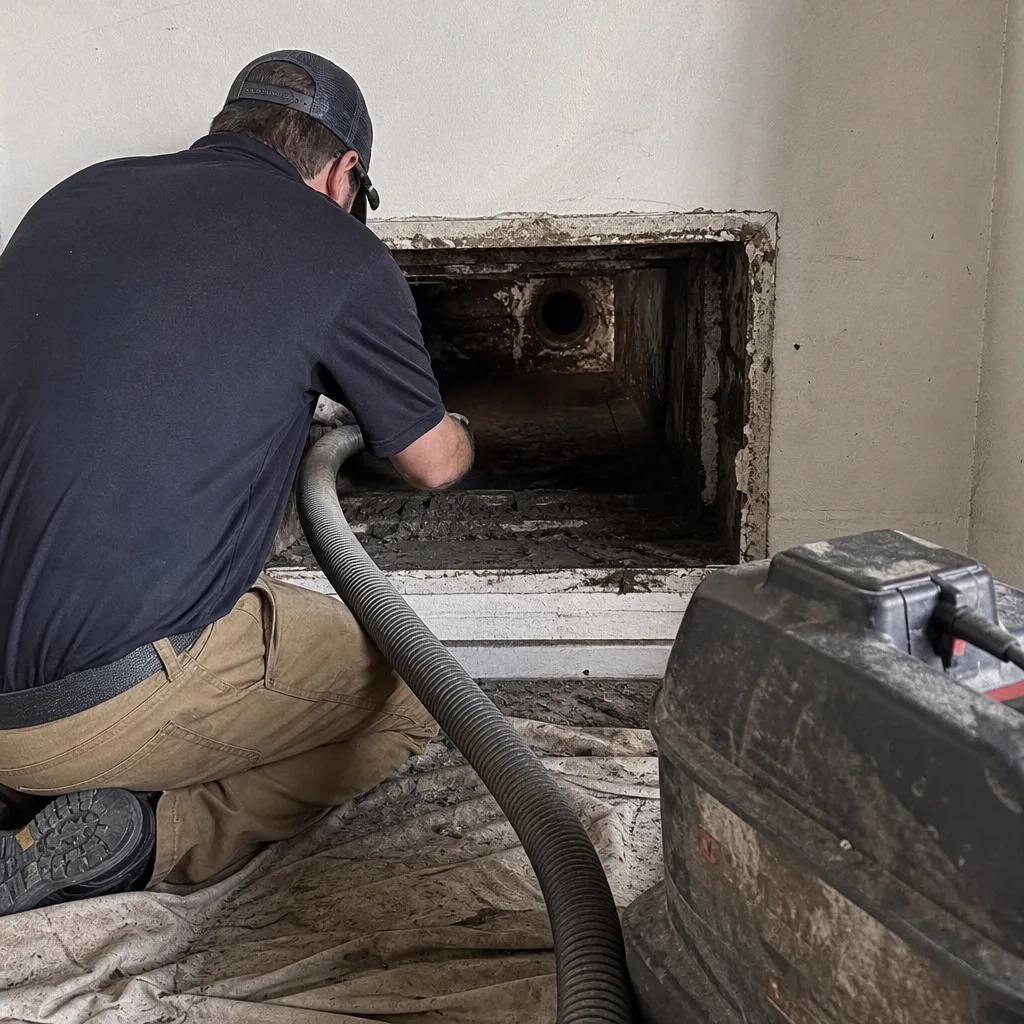 Before
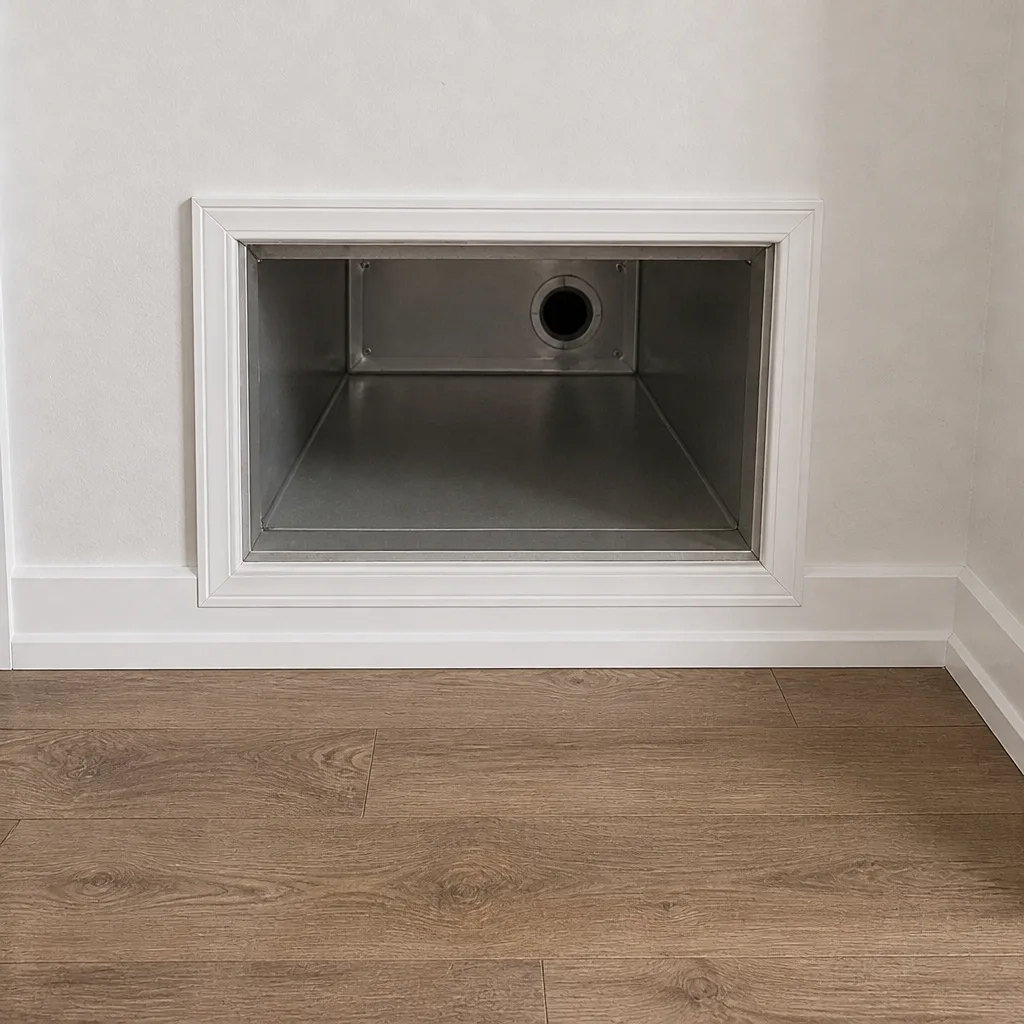 After
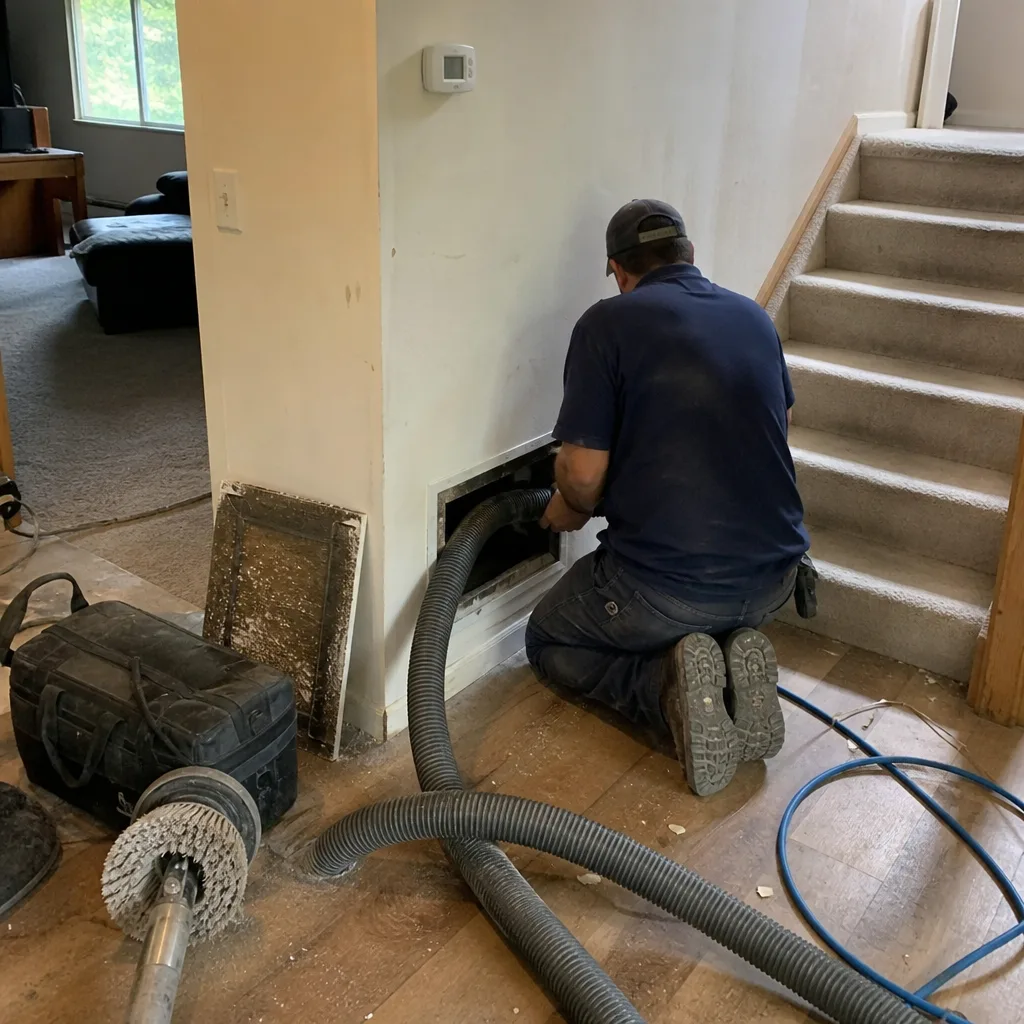 Before
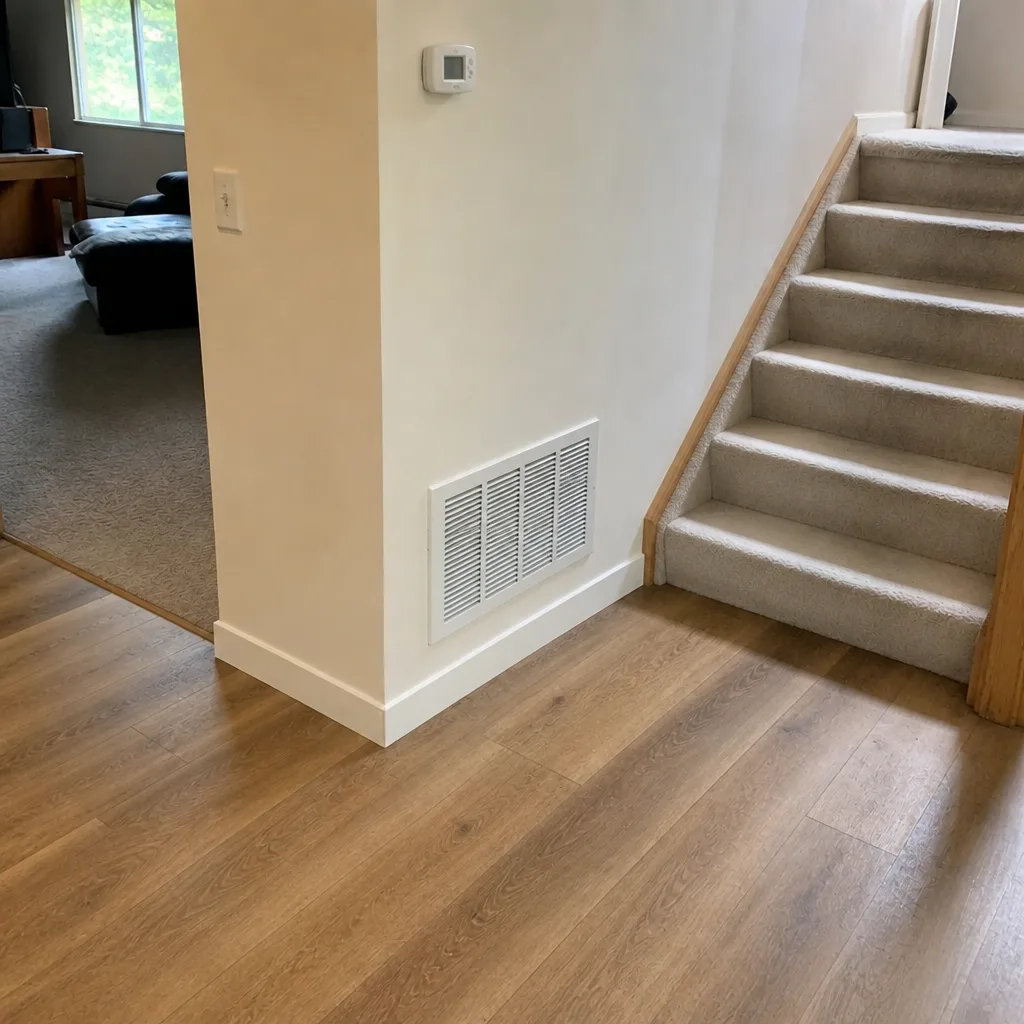 After
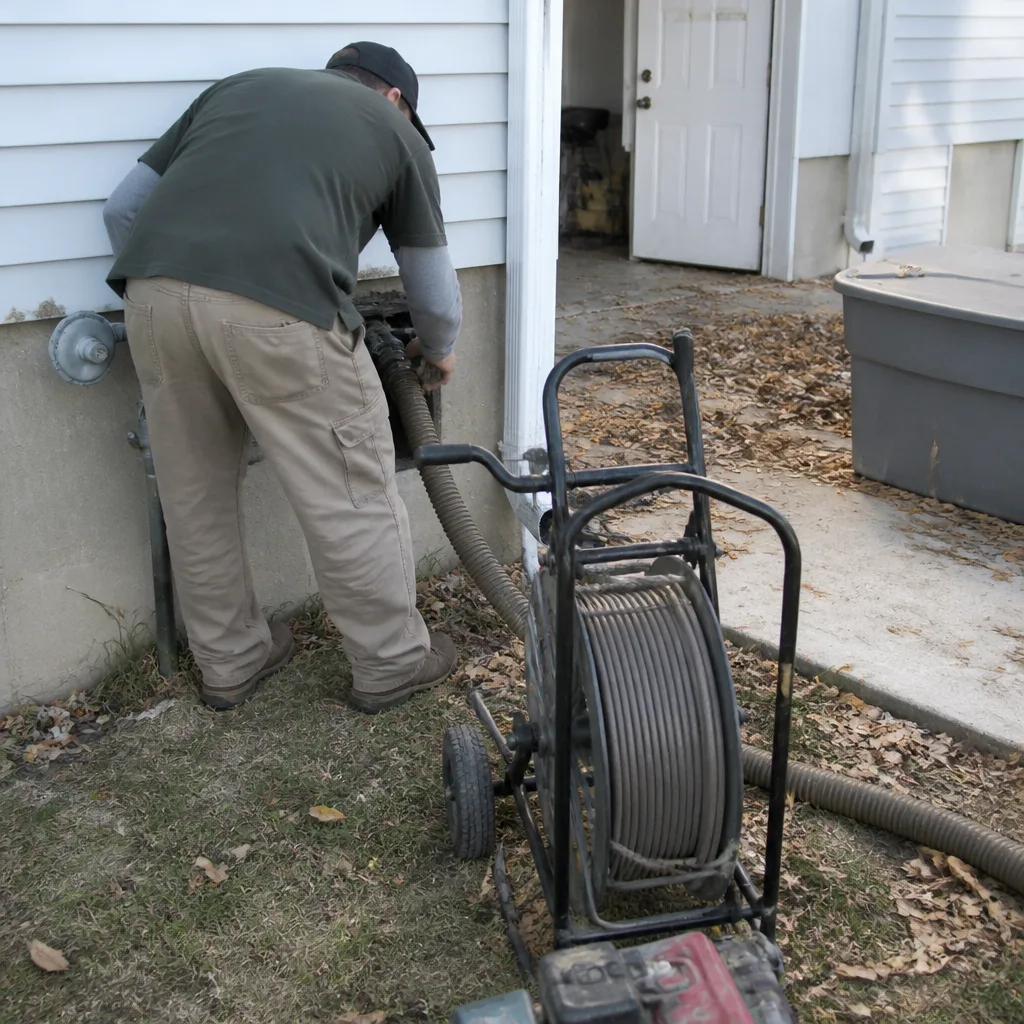 Before
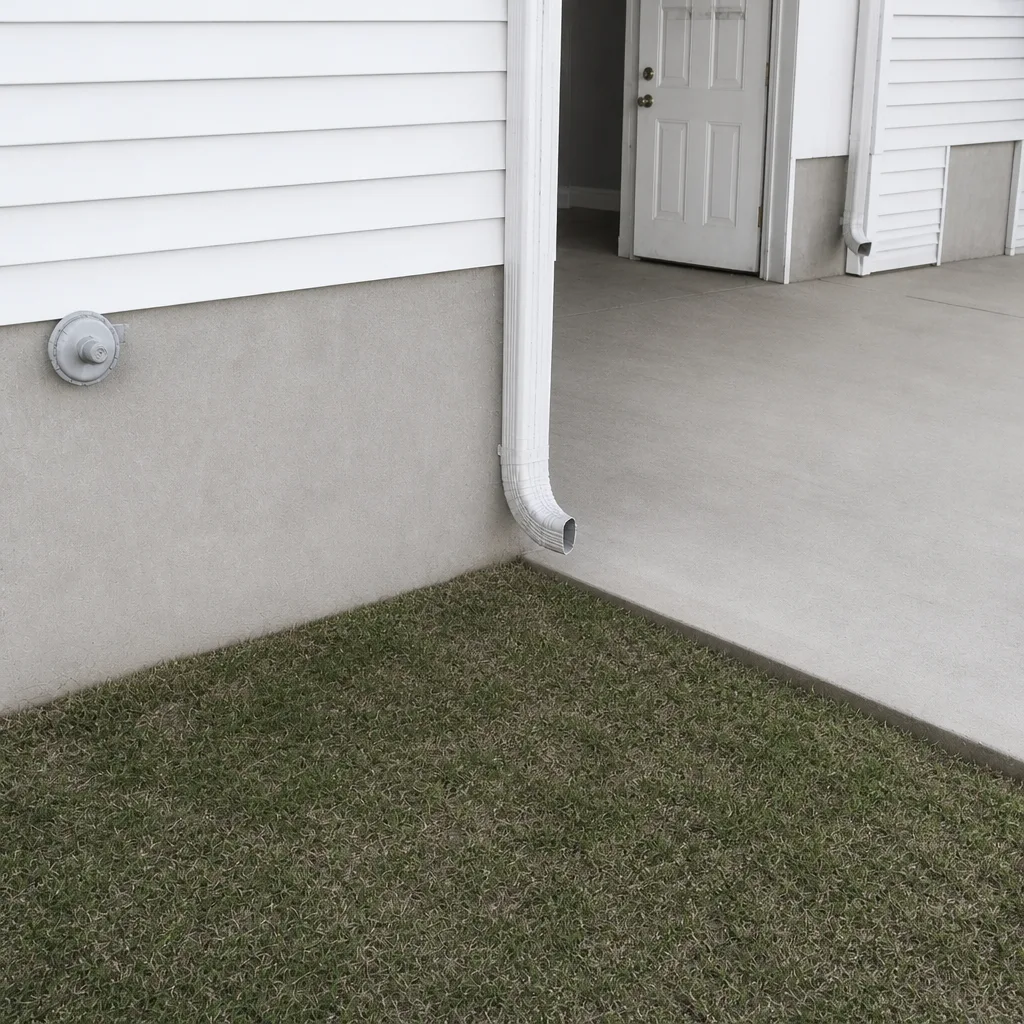 After
When to Call a Professional
Some troubleshooting belongs in your hands: checking a damper handle, pulling a return grille, running the white cloth test, and swapping a filter. But several situations need a trained technician with the right equipment. Call a professional if your white cloth test shows heavy deposits at every register, if a musty smell returns within two weeks of a cleaning, if one room stays weak after a damper check, if you see crushed or disconnected duct in a crawlspace or mechanical closet, or if your dryer vent shows any of the restriction signs above. Airflow diagnosis and duct repair aren’t jobs for a shop vacuum and a flashlight, and a misdiagnosis just costs you another service call.
Midvale Air Duct Cleaning offers free estimates in Midvale. Call (855) 337-0937. We answer 24/7. Fast dispatch from 7am to 7pm, Sunday through Friday. Our technicians have up to 13 years of experience, and we handle cleaning, sealing, repair, and air quality upgrades as one team rather than subcontracting pieces of the job.
Frequently Asked Questions
Dust returning within days usually means the return side or branch ducts were skipped, or the equipment used couldn’t extract what the brush loosened. Check your return grilles first: if the fins are matted with lint, that side of the system wasn’t cleaned. Call (855) 337-0937 for a free estimate and we’ll tell you what to look at before you book another cleaning.
Pricing is set per job by a written estimate after we see the system, because a small single-story home and a two-story with a finished basement aren’t the same job. We give one flat price per system agreed before work starts, never a per-vent rate, and we show before-and-after photos of your own ducts. Call (855) 337-0937 for an exact quote. Estimates are free.
Ask for before-and-after photos of your own duct interior, taken during the job. A legitimate cleaning produces visible evidence of the debris removed, plus containment during the work so particles don’t drift through your home. If a company can’t show you photos of your system, you have no way to verify what happened inside the ducts.
Cheap quotes usually reflect lighter equipment, supply-side-only work, or no containment at all. A low-powered portable vacuum loosens dust without extracting it, so the debris ends up in your rooms instead of the machine. The process behind the price is what determines whether your ducts actually come clean, so ask what equipment and containment a company uses before comparing numbers.
Most Midvale homes don’t need it on a fixed schedule. It’s worth doing when you see heavy debris at the registers, after a remodel or a move-in to a home with unknown history, or when allergies or dust problems point to the system. Filter changes matter more often than duct cleanings. Call (855) 337-0937 and we’ll give you an honest read on whether it’s needed yet.
Yes. We handle duct repair and sealing in the same visit as cleaning, so you’re not left with a clean system that still leaks air into a crawlspace. Sealing leaks and reconnecting damaged runs is often what actually fixes the weak room or the high energy bill. Call (855) 337-0937 for a free estimate on the full system.
The Bottom Line
When air duct cleaning seems not to have worked in your Midvale home, the answer is almost always diagnostic rather than a reason to give up on cleaning. Returning musty odors point to the coil or drain pan. One weak room points to a damper, a crushed run, or an undersized return. Whole-house dust that comes back fast points to the return side or weak extraction equipment. The white cloth test tells you which pattern you’re dealing with in about ten minutes. Read the clue first, then fix the actual cause, whether that’s a second cleaning done properly or mechanical repair that cleaning was never going to cover.
If you’d rather have the system read by someone who does this every day, that’s a phone call. Call (855) 337-0937 for a free estimate. We answer 24/7. Fast dispatch from 7am to 7pm, Sunday through Friday. One flat price per system agreed before work starts, before-and-after photos of your own ducts, and a satisfaction guarantee. From dirty ducts to cleaner air, start to finish, one team. Learn more about Midvale Air Duct Cleaning and how we approach a full-system job.
Written by the team at Midvale Air Duct Cleaning.