
Last updated November 23, 2026
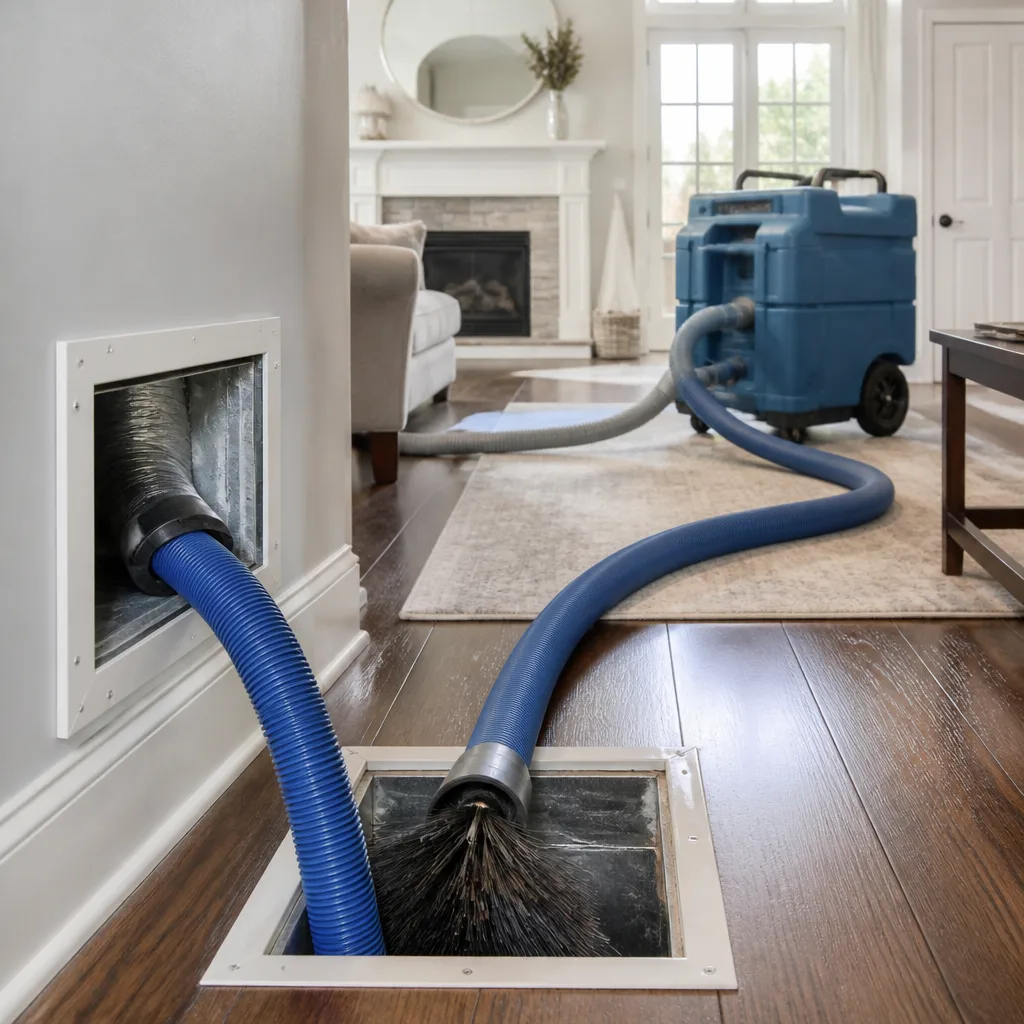 Whole-home duct cleaning
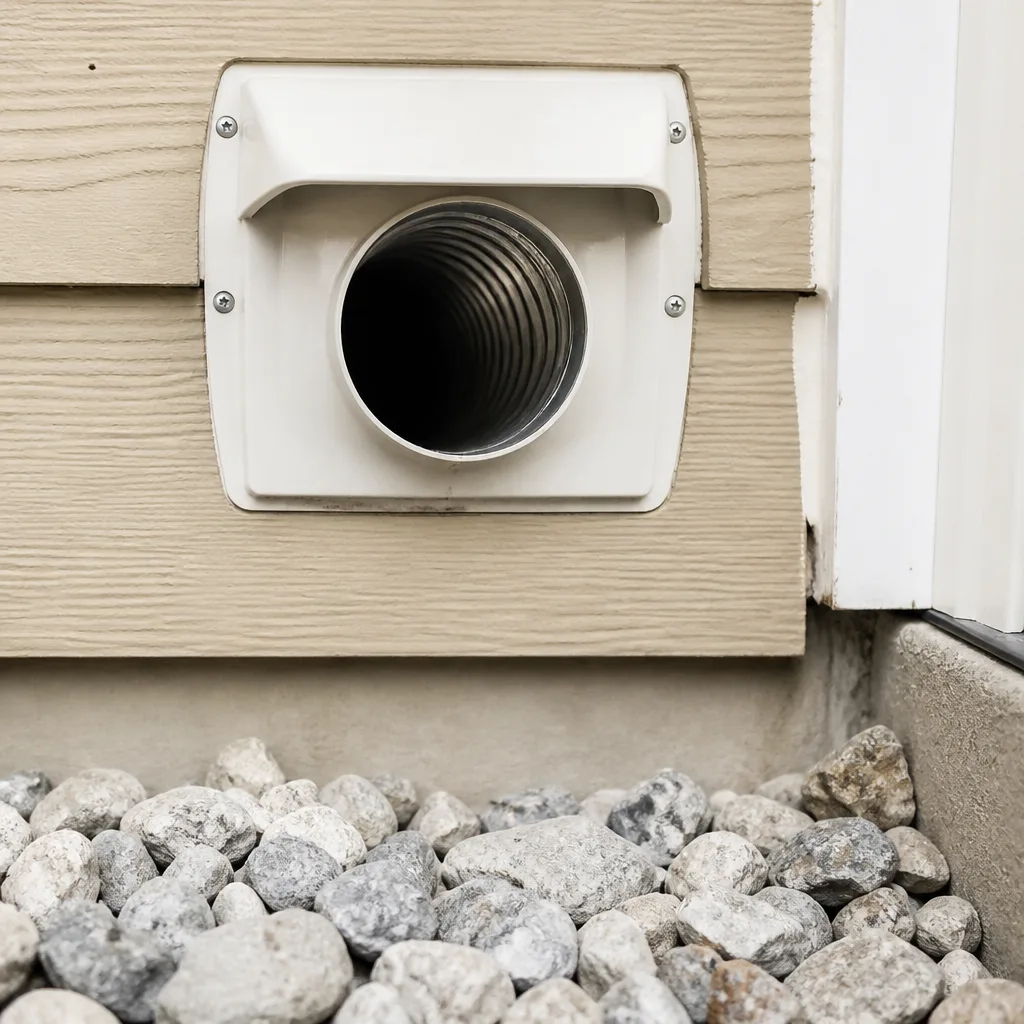 Dryer vent cleaning
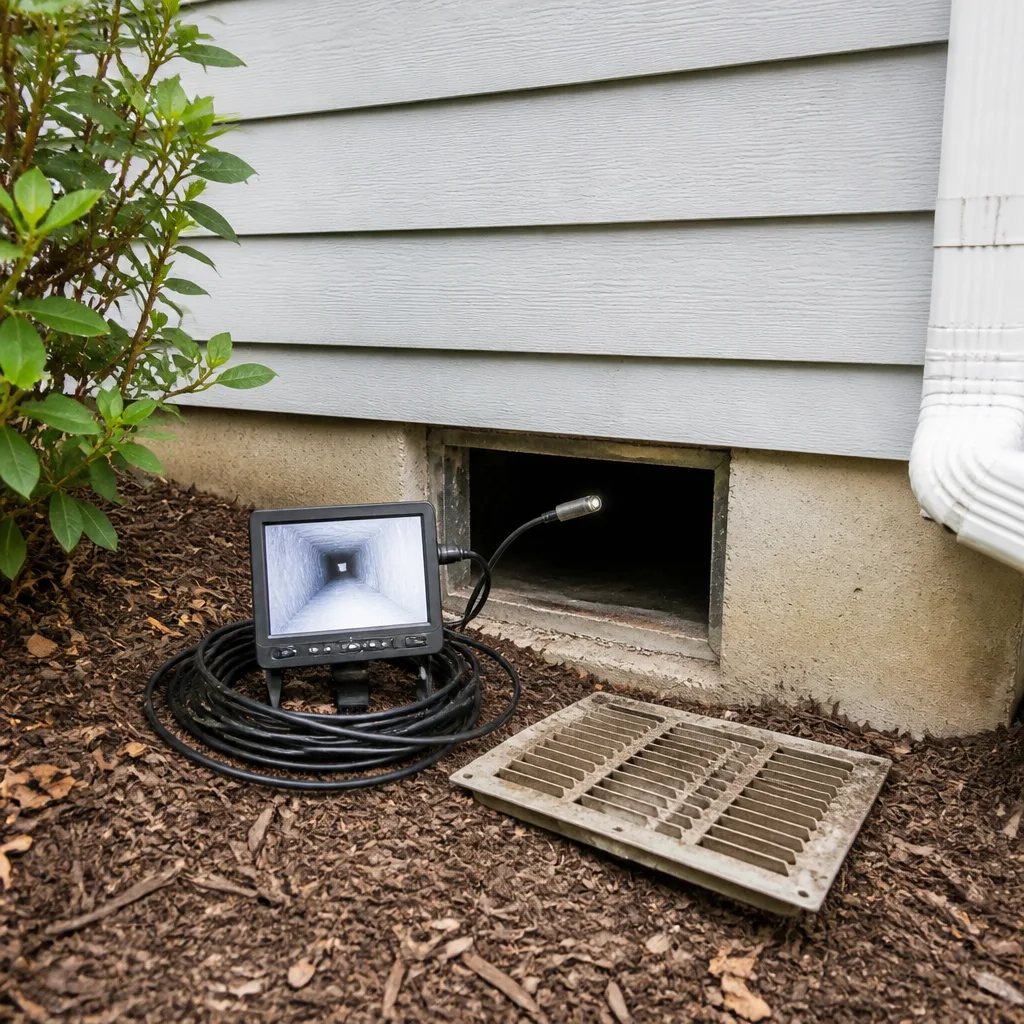 Camera inspection
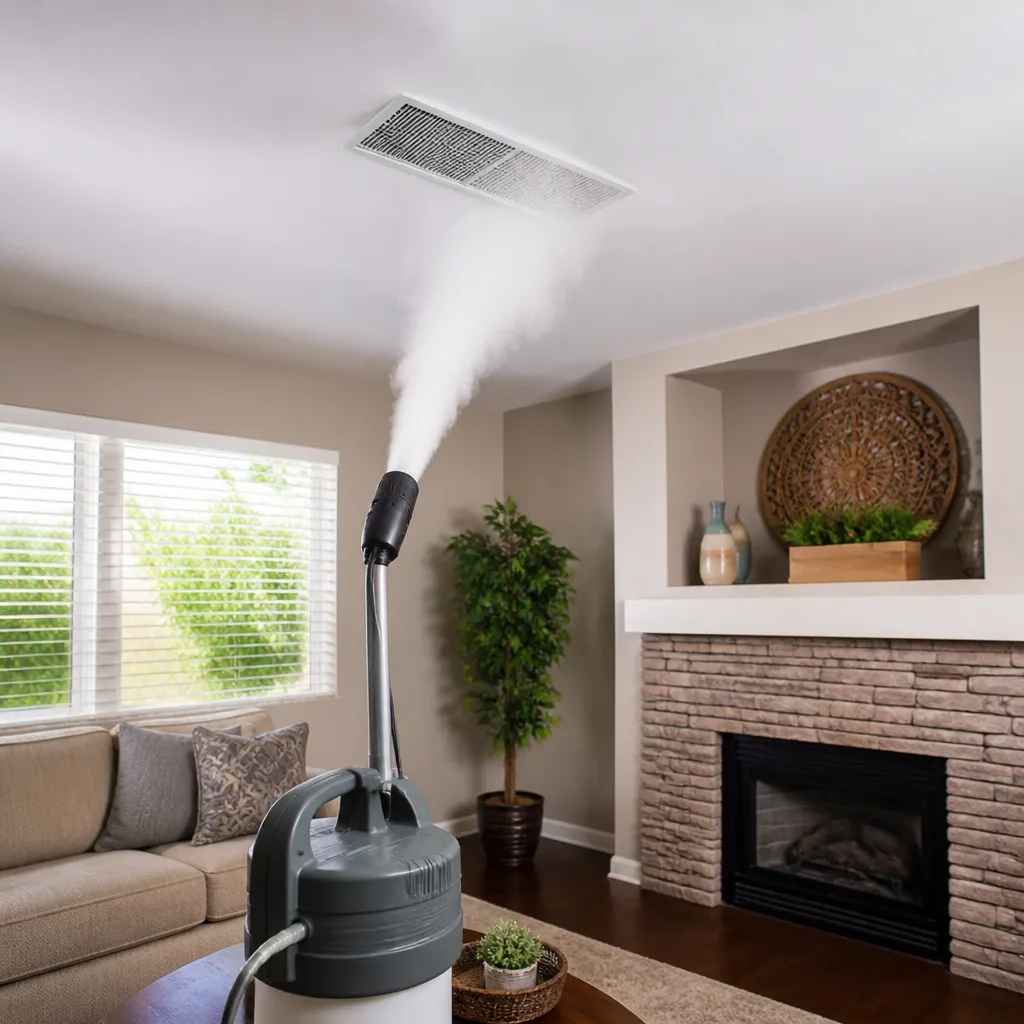 Sanitizing & deodorizing
Whole-system duct and dryer vent check with before-and-after photos - you see exactly what came out of your vents
That "$99 whole-house special" is a bait ad - the real number appears once they are in your hallway, or the "clean" is a shop-vac at the register. We photograph the inside of your ducts before and after instead.
Air Duct Cleaning Cost Breakdown: The Midvale Homeowner’s Reference for 2026
Duct cleaning quotes in Midvale range from about $89 to over $900 for what sounds like the same job on the same house. That spread isn’t random, and it isn’t a small difference in workmanship. It reflects completely different scopes of work, different equipment, and different business models. Some of those models are not designed to actually clean your ducts. Digging into the numbers changes how you read every quote you get.
Quick Answer
Air duct cleaning in Midvale typically costs $250 to $450 for a standard single-family home, with a legitimate full-system range running from $450 to $900 or more for larger two-story homes, extra returns, or added services like coil cleaning and sanitizing. Quotes under $150 are almost always a teaser that ends higher once a technician is inside. The written estimate you get per system, agreed before any work starts, is the only number that matters.
Styles & brands we work with
- Whole-home duct cleaning
- Dryer vent cleaning
- Camera inspection
- Sanitizing & deodorizing
Table of Contents
- Cost Ranges by Service Tier
- Line-Item Breakdown of a Legitimate Invoice
- What Drives Price Variation for Midvale Homes
- How to Compare Quotes Properly
- The Cost of Skipping Service
- Local Context: Climate, Housing, and What Your Ducts Hold
- Equipment Tiers and Why They Change the Price
- What a Full-System Job Actually Looks Like
Cost Ranges by Service Tier
When we look at duct cleaning quotes in Midvale, they sort into three tiers. Understanding what each one delivers is the whole game. Here’s how it breaks down in plain numbers.
| Service Tier | Typical Price for Midvale Home | What It Usually Includes |
|---|---|---|
| Entry-level / teaser | $75-$150 | One pass with shop-vac-grade equipment, limited access points, strong on-site upsell to add work |
| Mid-market | $250-$450 | Whole-system vacuuming, standard access points, basic vent cleaning, itemized estimate |
| Professional-grade | $450-$900+ | Rotary brush agitation and high-volume extraction (Rotobrush, Nikro), containment filtration during service (Abatement Technologies), before-and-after documentation, optional sanitizing, repair, and sealing |
The entry-level price you see on a mailer at $89 is real in one narrow sense: it exists as a price you can be quoted. It’s worth understanding what that visit accomplishes. Low-powered suction removes visible dust near the registers and little else. The supply trunks and return runs, the parts of the system that actually circulate air through the house, need real agitation and high airflow to dislodge stubborn build-up.
That’s where professional-grade equipment earns its place. Rotary brush heads agitate the duct wall, breaking loose what hand tools leave behind. A high-volume vacuum moves it out. Containment filtration captures it in the air the machine is running through. Miss that last step, and dislodged dust ends up cycling back into the home during the job. The old line we use ourselves: your ducts are only as clean as the process behind them.
Line-Item Breakdown of a Legitimate Invoice
A written estimate should read like a menu, not a mystery. When you get a real one, you’ll see line items that add up to a scope of work you can read and compare. Here’s what those lines typically look like in Midvale.
- Base duct cleaning (per system): The core charge, priced by the system rather than by vent count. A flat price per system protects you from a technician who counts vents after work is done.
- Per-vent pricing (when carried): Some contractors quote per vent, and this is where costs can run. Ask upfront whether the price is per system or per vent. Per-vent is where bait-and-switch begins.
- Additional access points: Ducts run behind hard ceilings and inside soffits. On some Midvale homes, technicians need to open more access points to reach all runs. That’s legitimate additional work, priced transparently.
- Dryer vent add-on: A separate, safety-related service. A dryer vent is an entirely different duct and a fire-risk component worth cleaning when the technician is already there.
- Coil cleaning: Cleaning the evaporator coil adds work but is often the most meaningful single item for system efficiency. It’s a distinct line, not something bundled for free.
- Sanitizing treatment: An applied treatment after cleaning, sometimes with a Guardsman product, and priced as an add-on.
- Duct repair and sealing: Fixed leaks, reconnected joints, and sealed seams, priced by scope.
If a contractor won’t hand you a written, itemized estimate before the visit begins, that’s your answer about how the visit will end. One flat price per system, agreed before work starts, is the standard worth holding every provider to.
What Drives Price Variation for Midvale Homes
Two houses on the same block can land at very different prices, and it isn’t a mystery when you walk the system. Four things move the number most in Midvale.
- System age. Older HVAC systems often have flexible duct runs that sag or pinch, which take more time to clean thoroughly. Access is harder, and technicians account for that.
- Single-story versus two-story. A two-story home typically has longer trunk runs and more branching, which means more access points and more cleaning time for the same square footage.
- Number of returns. Homes with multiple return ducts require more extraction work. Each return is a separate run that has to be cleaned and verified.
- Accessibility. Ducts hidden behind hard ceilings, in tight soffits, or inside finished basement ceilings add labor. Ducts with clear service access are faster to clean, and priced accordingly.
None of these factors require guessing. A technician who inspects the system before quoting can tell you exactly which factors apply. That inspection should happen before the estimate is written, not after the job is underway.
How to Compare Quotes Properly
Comparing top-line numbers across three duct cleaning quotes in Midvale is the fastest way to make a bad decision. The $180 quote and the $650 quote might be for completely different scopes. Here’s how to compare apples to apples.
- Ask for a written scope-of-work breakdown. The estimate should list what gets cleaned, how many access points, what equipment, and whether containment filtration is included.
- Ask what equipment they use. Mention rotary brush and high-volume extraction specifically. If the answer is vague, ask again. You’re looking for named equipment, not marketing language.
- Ask about containment. A professional job contains dislodged debris during the work rather than redistributing it into your home. Ask how they handle that.
- Ask about before-and-after photos. A documented job means you see what your ducts looked like before and after, not a verbal description.
- Ask whether duct repair and sealing is available in the same visit. A cleaning that leaves leaks behind leaves efficiency losses behind too.
- Ask how the final price is set. One flat price per system, agreed before work starts, versus per-vent pricing that gets tallied at the end.
A quote that can answer all six questions in writing is a quote worth comparing. One that dodges is a quote worth skipping.
The Cost of Skipping Service
Deferred duct cleaning shows up on your utility bill before it shows up anywhere else. A duct system that’s restricted or leaky makes the HVAC blower work harder to move the same volume of air, and that extra effort translates into more energy drawn to heat or cool the home. In Midvale, where summer afternoons push into the upper 90s and winter nights drop well below freezing, the system runs hard in both directions. Every season of buildup compounds the drag.
The efficiency loss isn’t the only cost. There’s the cost of a system that has to run longer to reach the same temperature, which is a wear cost on the blower motor and compressor. There’s the cost of cleaning a system later that’s had another several years of buildup to remove. And in a home where the ductwork has developed leaks, the cost of sealing those leaks grows more significant the longer the system is losing conditioned air.
The simplest way to think about it: a $250-$450 cleaning today avoids a larger repair or efficiency problem later. That’s a bargain. Skipping service for several years isn’t free; it’s just a cost you take in smaller installments without knowing it.
Local Context: Climate, Housing, and What Your Ducts Hold
Midvale sits in the Salt Lake Valley, and that geography shapes what’s in your ducts. The valley holds dust from the dry surrounding benchlands, and inversion days can trap fine particulate in the air for stretches. Windows closed in summer for AC and in winter for heat mean the HVAC system runs almost continuously, cycling that airborne material through the ductwork and letting it settle.
Midvale’s housing stock spans decades of construction, which means the ductwork varies considerably from block to block. Older homes often have sheet metal runs with more joints and potential leaks. Newer construction can bring flexible ductwork that’s efficient but sensitive to installation quality. The age and style of the system in your house is one of the biggest variables affecting both the scope and the price of cleaning.
Duct repair and sealing is particularly relevant in a climate with wide seasonal temperature swings. A leaky return in an unconditioned attic or crawl space pulls in outside air at whatever the weather is doing that week. Sealing those leaks is real energy work, not a cosmetic add-on. That’s why we perform cleaning, repair, and sealing in the same visit rather than leaving the system with efficiency losses that outweigh the cleaning benefit.
Equipment Tiers and Why They Change the Price
Equipment is the single largest reason two quotes for the same house can be separated by hundreds of dollars. Here’s what the tiers actually represent.
Entry-level setups use shop-vac-class vacuums and hand brushes. These tools can disturb dust near registers but struggle to extract deep build-up from supply trunks and returns. Labor time is short, so the price is low. That’s the model behind a $75-$150 quote, and it’s not pushing anything out of your ducts that a household vacuum couldn’t.
Professional-grade setups use a rotary brush system like Rotobrush to agitate the duct interior, paired with a high-volume extraction unit like Nikro to move material out and capture it in a HEPA-rated container. Many crews run a separate filtration unit, an Abatement Technologies unit for instance, that filters the air in the work area throughout the job. That is what containment looks like in practice: dislodged debris goes into the machine, not back into the living room. The equipment costs more to run and takes more time, and that’s reflected in the quote.
The tier matters for outcomes. A well-agitated, well-extracted system holds less dust and has less opportunity to redistribute. If you’re commissioning a cleaning because air quality, allergies, or efficiency matter, the equipment tier is the variable worth paying attention to.
What a Full-System Job Actually Looks Like
A full-system visit in Midvale follows a predictable sequence. Knowing the outline helps you evaluate whether a quoted job will match it.
- System inspection and access planning. The technician walks the house, locates registers and returns, and identifies where access points need to be opened.
- Containment setup. Filtration equipment is positioned at the air handler and work area to capture particles dislodged during the process.
- Register and vent removal. Grilles and registers are removed so the cleaning heads reach the duct interior.
- Rotary agitation and extraction, run by run. Each supply and return run is brushed with the rotary head and vacuumed out, working from the air handler outward.
- Air handler and coil cleaning. The blower compartment and evaporator coil are cleaned, which is where a lot of the system’s accumulated material lives.
- Sanitizing (optional). An applied treatment follows cleaning, if it’s part of the scope.
- Duct repair and sealing. Leaks and separated joints are taped, mastic-sealed, or reconnected as needed.
- Verification and documentation. Before-and-after photos are taken and the system is run to confirm airflow is restored.
The full process takes real time. A legitimate full-system cleaning is a half-day job on an average Midvale home. That time is the work. When a quote seems almost too fast and almost too cheap, the time saved is your ductwork’s cleanliness.
Common Mistakes to Avoid
- Choosing on lowest price alone. The cheapest quote in Midvale is usually the most expensive visit once the upsells land. Compare scope and equipment, not the number on the coupon.
- Not asking for a written estimate first. If you don’t get a written estimate before work starts, you don’t have a price. You have an opening number. Ask for the scope of work in writing.
- Accepting per-vent pricing without question. A one flat price per system protects you. Per-vent pricing is where the bill can wind up double what you were told on the phone.
- Skipping containment filtration in the process. A cleaning that blows dislodged dust into your home defeats the reason you hired a cleaner. Ask how the company contains debris during the job.
- Forgetting the dryer vent. Dryer vent cleaning is a fire-safety service, not a comfortable add-on. A clogged dryer vent is a genuine concern in any Midvale home, and cleaning it while the technician is already there is efficient.
- Not asking about repair and sealing. A clean duct that leaks is still an inefficient system. Ask upfront whether the contractor can repair and seal in the same visit.
- Ignoring before-and-after photos. A documented job is verifiable. If a contractor won’t provide before-and-after photos of your own system, you don’t know what happened inside your ducts.
See the difference
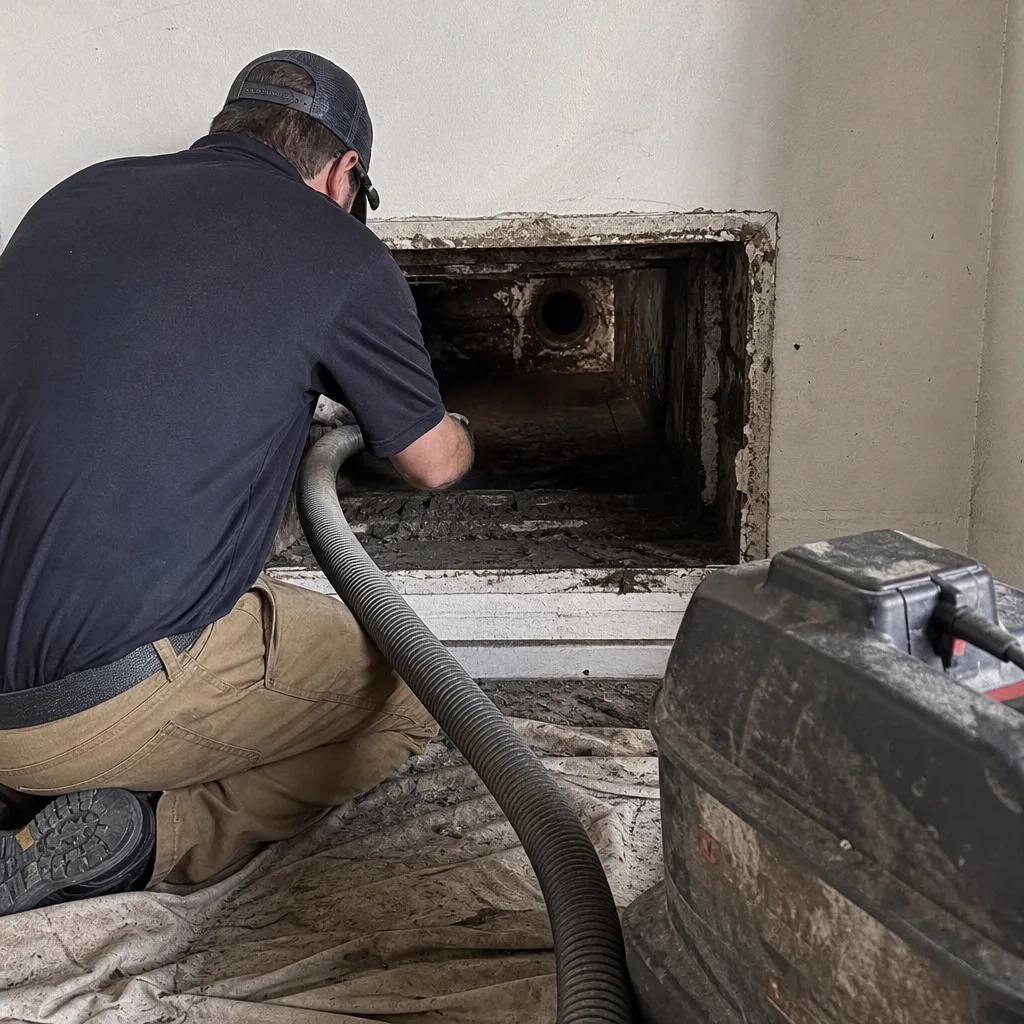 Before
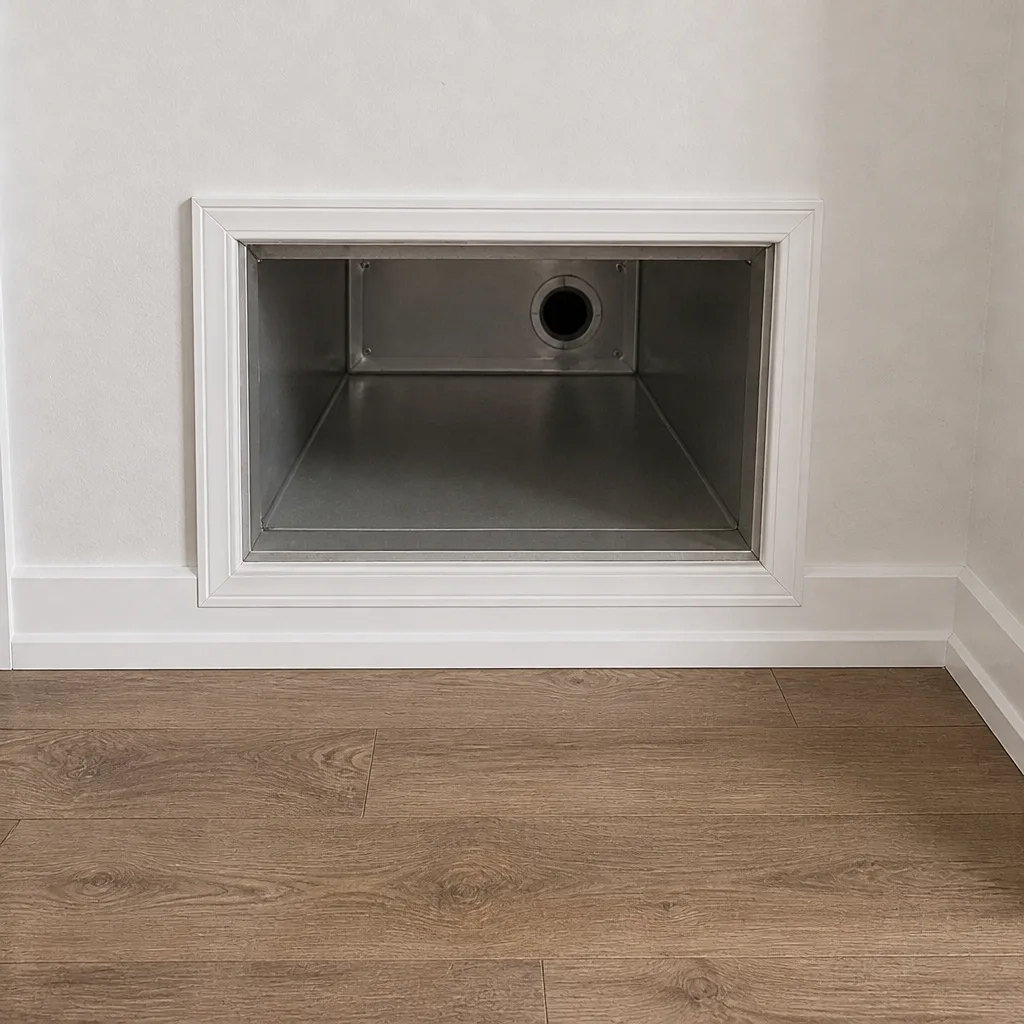 After
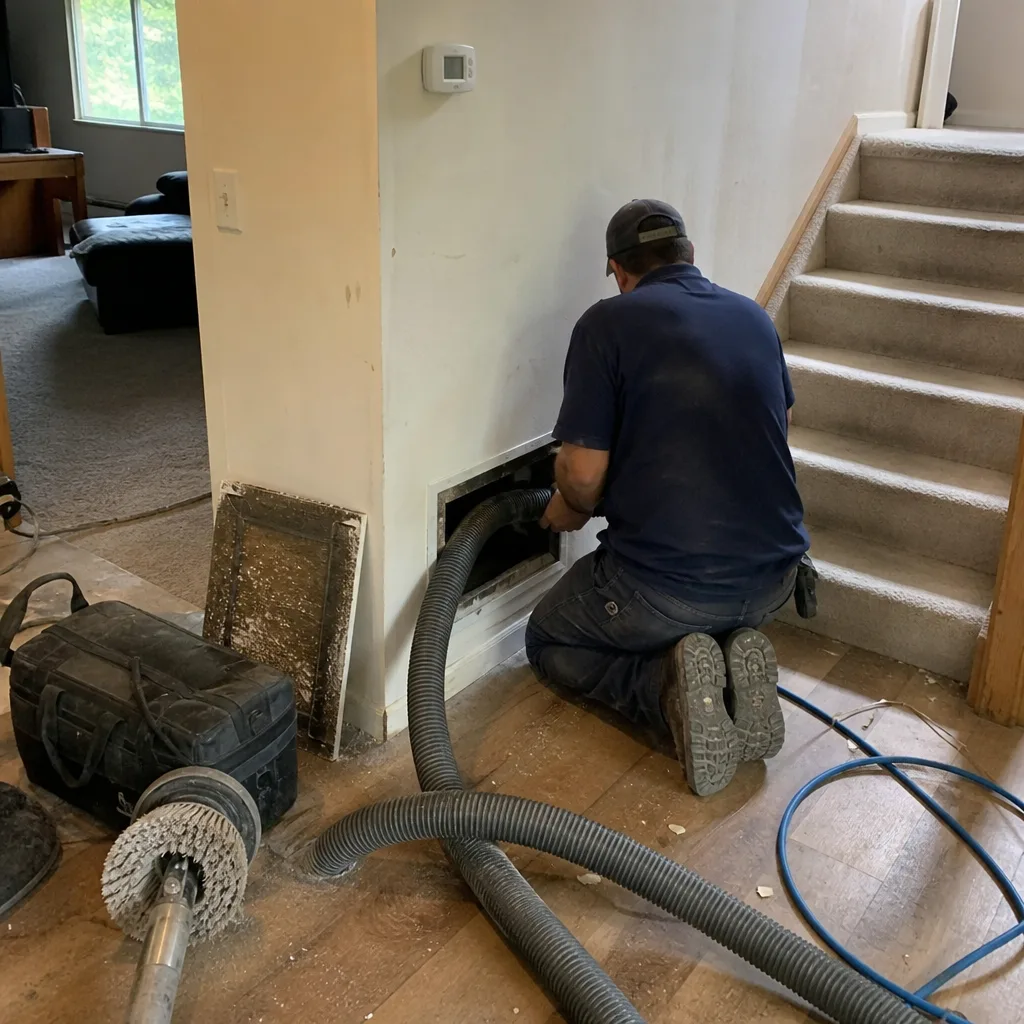 Before
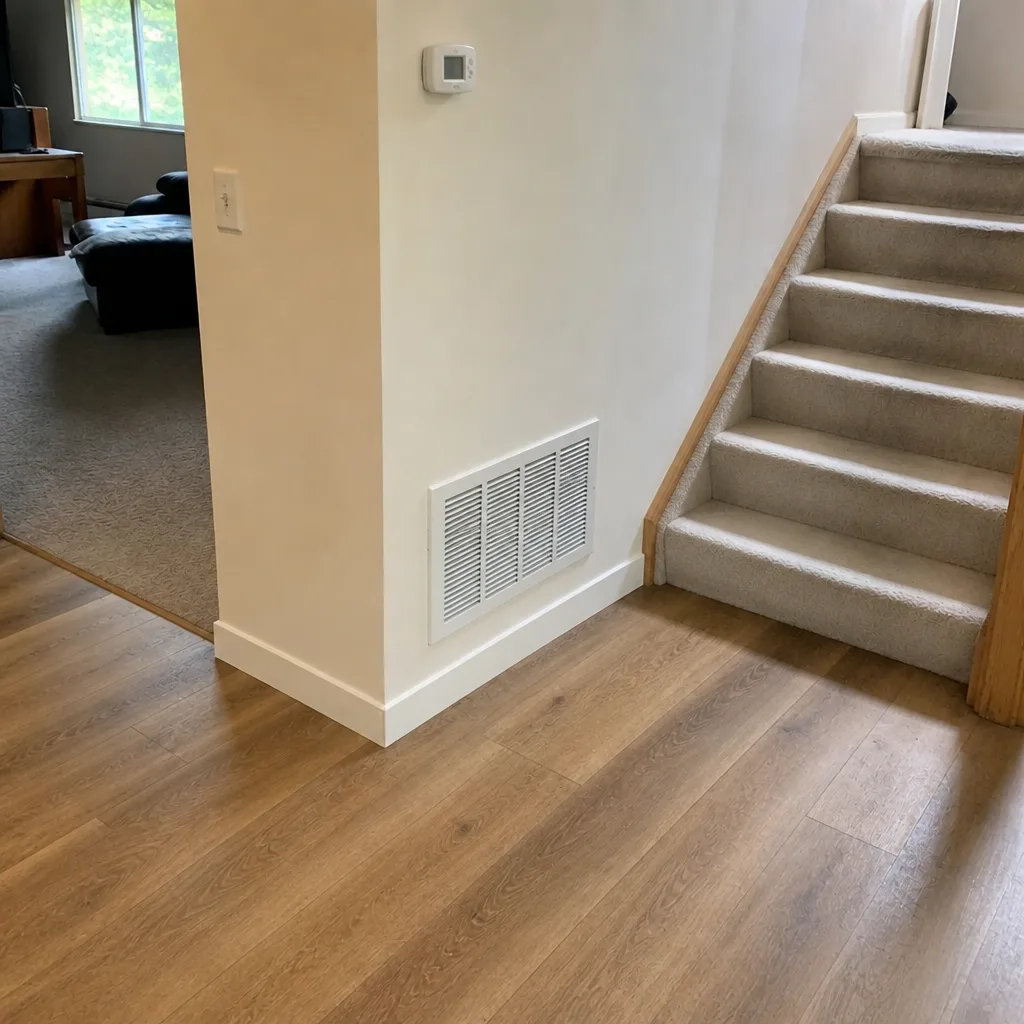 After
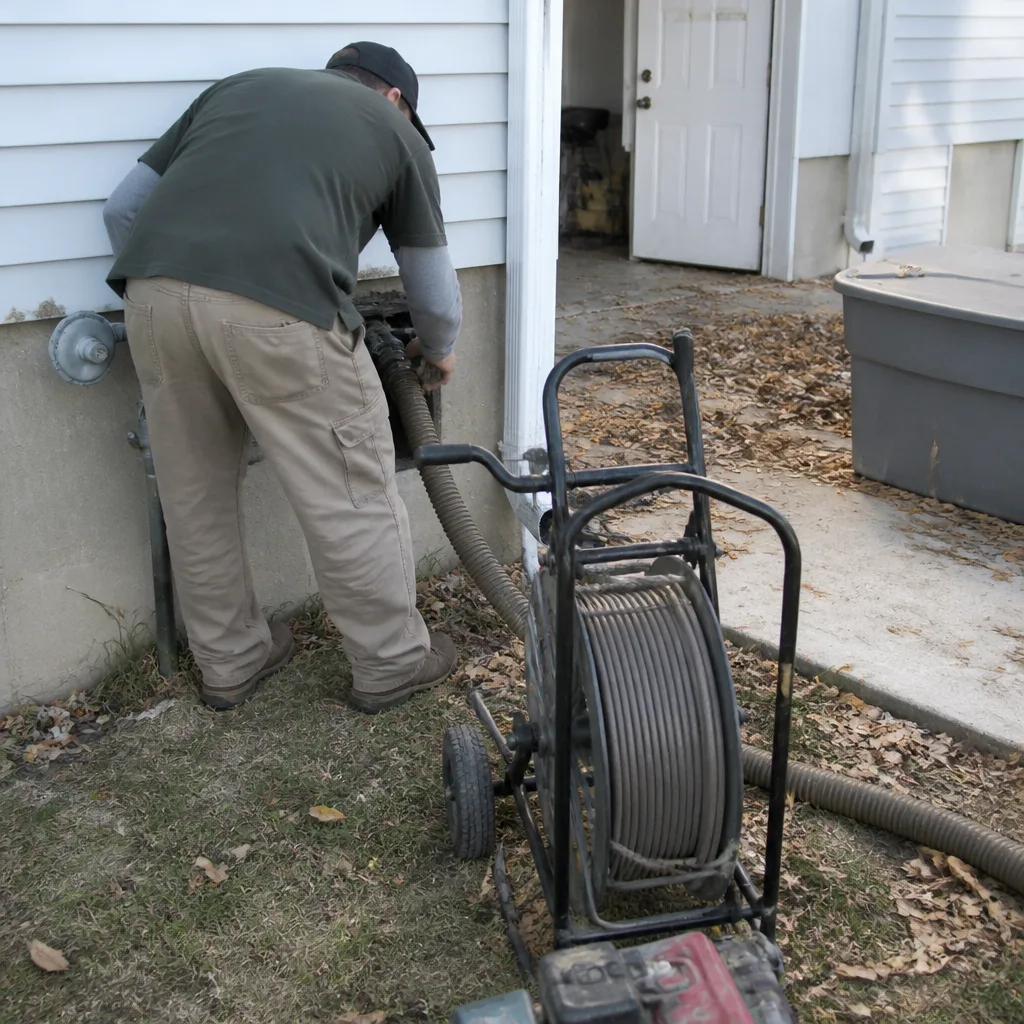 Before
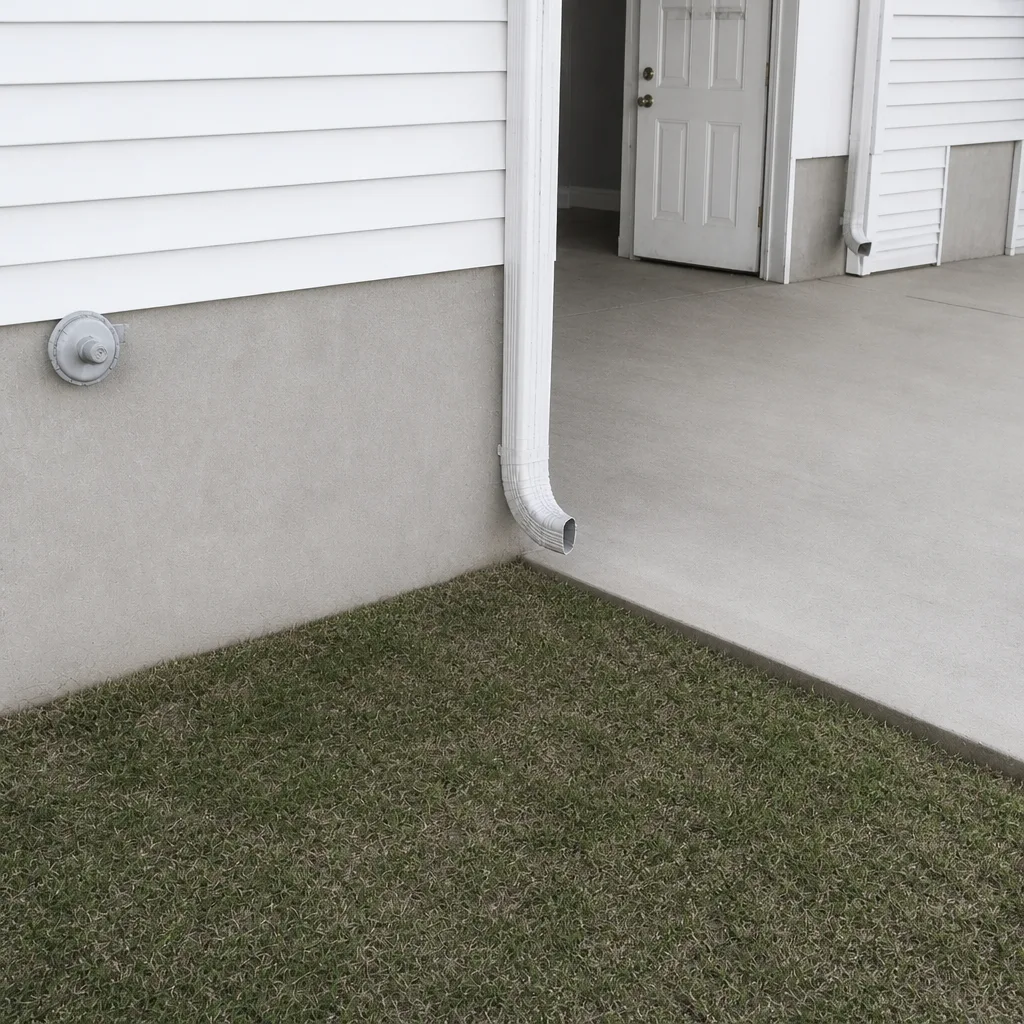 After
When to Call a Professional
Some signs don’t need a threshold; they need a technician. If you’re seeing dust blowing out of registers after the system runs, or if visible dust build-up lines the inside of the supply grilles, that’s worth an inspection. If someone in the home has allergies or asthma and the system seems to worsen symptoms, a professional cleaning and inspection makes sense. If it’s been several years since the system was cleaned and you’re seeing higher energy bills without an obvious cause, duct restriction or leaks may be behind it.
Likewise if the home has recently had renovation work and drywall dust or construction particulate went into the ductwork. Midvale homes near older construction are especially worth checking for leaky or disconnected runs. Midvale Air Duct Cleaning offers free estimates in Midvale. Call (855) 337-0937. We answer 24/7. Fast dispatch from 7am to 7pm, Sunday through Friday.
Frequently Asked Questions
A typical Midvale single-family home costs $250 to $450 for standard whole-system cleaning, with larger two-story homes or added services like coil cleaning and sanitizing running $450 to $900 or more. Quotes below $150 are usually teaser pricing that changes during the visit. Call (855) 337-0937 for a free written estimate on your system.
Low quotes reflect fewer access points, shop-vac-tier equipment, and a business model that depends on on-site upsells. A professional-grade job requires more equipment time and more thorough labor, which is what the higher number pays for. Ask any provider for a written scope of work before comparing prices. Call (855) 337-0937 to talk through a scope for your Midvale home.
Whole-system cleaning isn’t an annual requirement for every home, but a system with visible dust, allergy symptoms in the household, recent renovation work, or several years since last cleaning is worth addressing. Deferred cleaning shows up on utility bills and as extra wear on the HVAC blower. Call (855) 337-0937 to schedule a free estimate.
Ask for before-and-after photos of your own ductwork and an itemized report of what was cleaned. A professional job is documented. One flat price per system, agreed before work starts, is the other proof that the work wasn’t a variable. Call (855) 337-0937 for a free estimate with before-and-after documentation.
In our experience, every two to five years is reasonable for most Midvale homes, with more frequent cleaning after major renovations, moves, or if someone in the home has significant allergies. Homes with pets or smokers on the low end of that range. Call (855) 337-0937 for a free assessment of your system’s condition.
Yes, if it hasn’t been done recently. Dryer vent cleaning is a fire-safety service separate from HVAC duct cleaning, and it’s efficient to have it done in the same visit when a technician is already at your Midvale home. Call (855) 337-0937 to add it to your estimate.
The Bottom Line
The $89 duct cleaning in Midvale is a real number, but it’s not a real duct cleaning. A legitimate full-system job in Midvale costs between $250 and $900 depending on the home, the number of returns, accessibility, and added services like coil cleaning or sanitizing. The three things to insist on: a written estimate with line items before work starts, named professional-grade equipment rather than shop-vac setups, and before-and-after photos once it’s done. One flat price per system is the model that keeps the invoice honest. That’s the whole breakdown, and it’s worth holding every contractor to.
Contact Us for a Free Estimate
If you’re ready to get an honest number for your home, call Midvale Air Duct Cleaning at (855) 337-0937. We answer 24/7. Fast dispatch from 7am to 7pm, Sunday through Friday. Every job gets a written estimate before work starts, professional-grade Rotobrush and Nikro extraction, containment filtration during the visit, and a flat per-system price you can compare without surprises. We don’t just clean; we repair, seal, and install the kind of IAQ components (Honeywell, Aprilaire) that keep a system working the way it was built to.
You can start with Midvale Air Duct Cleaning as your entry point for the full service list, or go straight to air duct cleaning for the complete whole-system service. If dryer safety or air handler cleaning is on your list, dryer vent cleaning and HVAC cleaning explain what each visit covers.
Written by the team at Midvale Air Duct Cleaning.